

The Hop Industry in 2026 (And Why You Might Want to Rethink Hop Contracting)
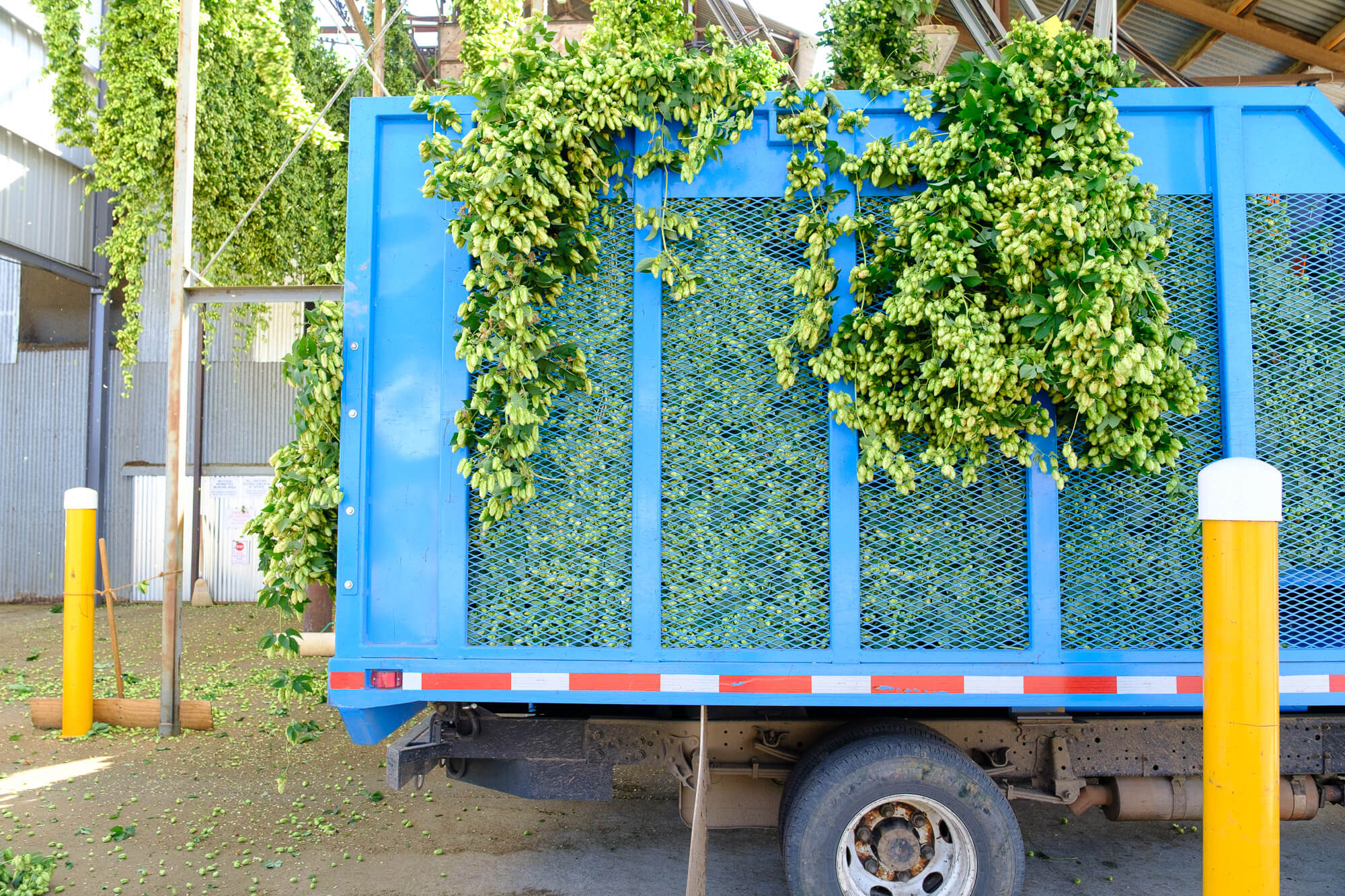
If you’ve been in brewing a while, and had regular dialogue with your suppliers of late, you’ll be patently aware that late summer/early autumn signifies two things. One is the start of the wonderful Northern Hemisphere Hop Harvest, accompanied by the click clack of the topcutters from Willamette to the Weald, to Württemberg, to Žatec. The other (and inherently linked to the former) is the final push for hop contracts to secure your supply of hops from these regions.
Whether or not a hop contract is right for your brewery is something only you can decide, but we’d certainly recommend that you go into making that decision armed with all the information you can. That’s why we’ve prepared the Ultimate Guide to Hop Contracting as a handy resource on the process for you. We’ve also reached out to our contacts in the hop industry to get some valuable insights into the current state of the hop market. We can also assure you that we’re going to try not to that phrase as best we can, as describing it as the ‘hop market’ gives worrying overtures as hops being seen as simply a commodity. Hops are so much more than that, they’re magic that elevates a beer.
To start, we’d like to hand over to Nolan Russell, European Senior Key Account Manager for one of our Oregon, USA-based hop partners, Crosby Hops™. The Crosby family has been in the hop industry in Woodburn, Oregon since the turn of the 20th century, and current CEO Blake Crosby is the fifth generation of his family to grow hops. As a vertically integrated hop grower and producer (both our hop partners in Oregon – Crosby Hops and Indie Hops – have their own pellet mills) the team at Crosby are well placed to give us the skinny on the current state of US hops. So, it’s over to Nolan, who’s fresh off the back of seven hop sensory sessions this year across the UK and Ireland, and ready to head over to Oregon himself in a few days to take part in the hop harvest himself.
Nolan Russell on the Current US Hop Industry
When I talk to brewers in the UK and Ireland at our sensory sessions, I often start by saying that I’d like to ‘peel back the curtain’ and ‘lift the lid’ on some aspects of the hop industry and the current state of the hops in the USA. My aim here isn’t to fearmonger, or to encourage anyone to overcontract and sign an unsustainable multi-year hop contract. That’s the last thing we’d push anyone to do, as it’s invariably bad business for everyone involved and hurts all parties. What I do want to do is present you with the facts though.
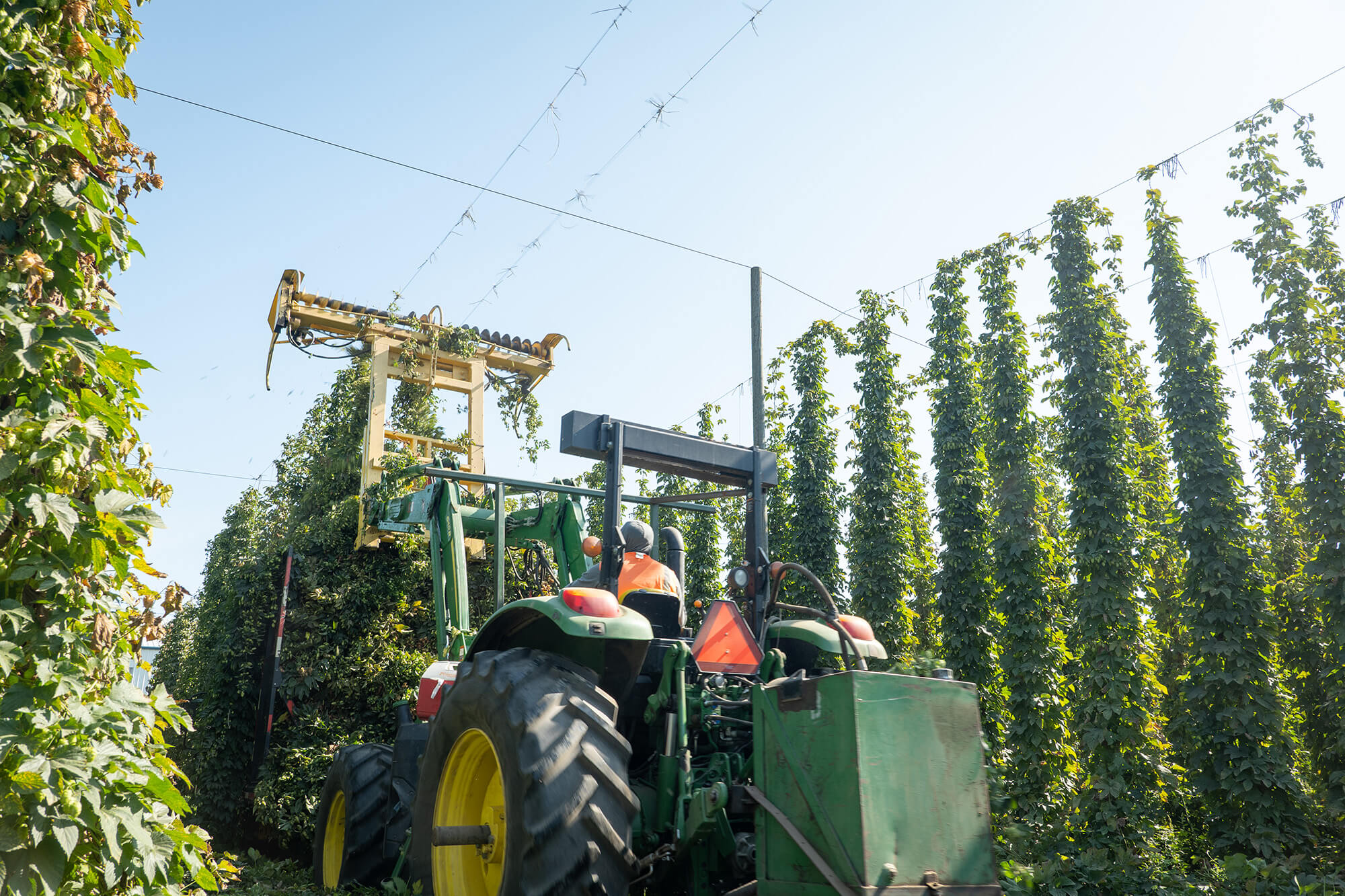
Data for Crops strung (& stored) means hops are now at their lowest levels since 2017 – wiping out 9 years of growth
The USDA (US Department of Agriculture) produces several reports on hops grown in the USA.
- One is the ‘Hops Strung’ Report which looks at data from hop farmers on the number of acres of hops they have sown and plan to harvest that year.
- In December, they’ll produce the National Hop Report which records the actual acreage harvested, and is a great indication into the quality of the harvest in terms of yield.
- Additionally, they also carry out a ‘Hop Stocks’ Survey, requesting data on stock levels from growers in Idaho, Oregon and Washington, as well as hop producers and distributors throughout the US, and even larger breweries in the US too.
If you’re still with me, bear with, as this is where the data starts to get quite telling…
The 2026 Hops Strung data (from June 2026) and the Hop Stocks Report (from March 2026) tells us that hops in the USA are now at their lowest levels since 2017. Effectively 9 years of craft beer growth (and the COVID surplus) are wiped out.
- Year on year, hop stocks in the USA are down 13%
- 2025 hop production was down 5% on 2024
- In 2026 41,642 acres were strung for harvest, essentially unchanged from 41,654 acres in 2025.
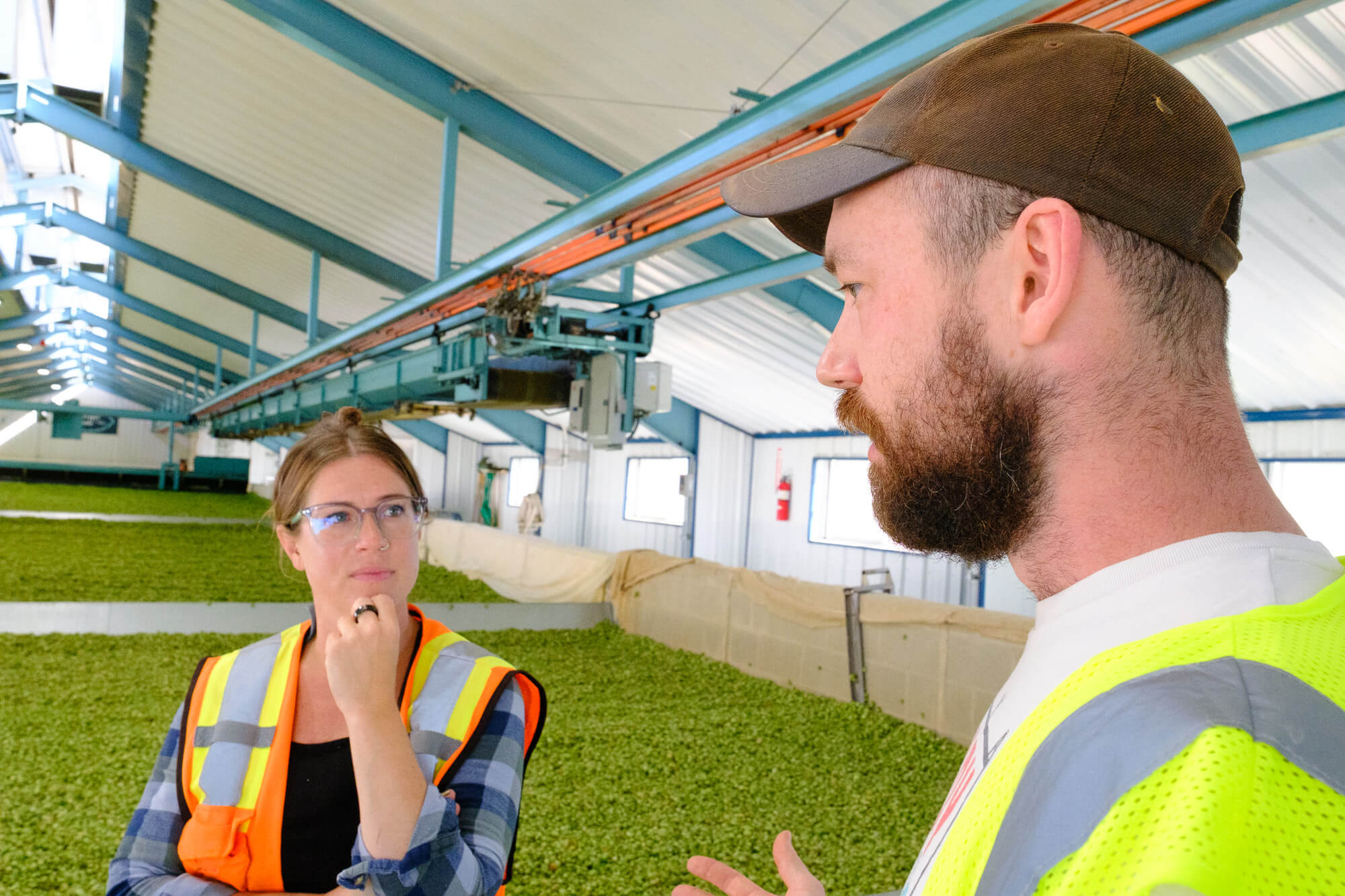 Gareth Moore from DEYA Brewing Co chats to Gabi McCarter from Crosby Hops. DEYA secures their supply of key hops like Crosby Hops™ El Dorado® and Amarillo® with a hop contract each year.
No Guarantee of Spot Market Availability
The script has completely flipped from ‘contract conservatively because chances are if you run out and need more, the spot market will have your covered’, to ‘contract an extra box or three, because if you run out, the spot market will be less reliable and you may have difficulty sourcing, and if you are able to source, pricing will likely be higher than what you expect.’ For some this might seem like ‘hopaganda’. Many brewers got burned by over-contracting leading up to, during, and post COVID. Remember, speaking ‘generally’ at least, hops only really go into one thing – beer. They can’t really be repurposed to other markets like other agricultural products if the brewing market has an excess of hops. Once this overcontracting in breweries (thanks to the generational impact of Covid) became a harsh reality, hop farmers dramatically reduced acreage in order to sell excess inventory in their warehouses and alleviate inventory pressures for everyone in the hop ecosystem.
"contract an extra box or three, because if you run out, the spot market will be less reliable and you may have difficulty sourcing, and if you are able to source, pricing will likely be higher than what you expect."
Dialogue is Crucial To Steady Supply – Hop Contracts Facilitate This
We are now likely at ‘the bottom’: a level of acreage that is likely not to get smaller, and if anything, slowly grow over the years ahead aided by real contract demand rather than trying to predict what the spot market will do. Let’s reiterate again – hops only go into beer, you can’t speculatively grow them knowing you’ll always be able to sell them somewhere, like hazelnuts (another Oregon staple). It’s too risky and unpredictable to grow for the spot hop market as a farmer, hence why contracts are going to become ever more important. Everywhere in your supply chain people are taking risks – the farmer in growing hops, the producer in contracting the farmer to grow hops, and your supplier in estimating demand and committing to how many hops to buy from the producer. The more information that flows through the chain, the better that hop supply can be managed and demand met. Dialogue throughout is crucial, and hop contracts are key way of maintaining that.
"The more information that flows through the chain, the better that hop supply can be managed and demand met."
 Andrew Hamilton from Wicklow Wolf conducts sensory on fresh harvested Cascade Hops at B&D Farms. Wicklow Wolf contracts Crosby Hops™ Centennial each year to guarantee a good supply and consistent pricing as the hop features in several of their core range beers.
Trends Indicate Towards a Hop Shortage
Hop ‘stocks’ are cyclical: we go from excess, to shortage, and back again. That mountain of excess spots and over contracted inventory has more or less dried up. Acreage has now levelled off, with CY25 and CY26 being almost exactly the same in terms of total acreage. So, we’ve got a perfect storm of stagnating acreage, spot hop availability and excess inventory dying up, and brewers are still timid to contract. We can’t help but see the market being short, even on what would seem like guaranteed varieties like Citra®, Cascade, and Indie Hops Strata®, for example. We believe it’s very likely that come CY28 we will all really feel this shortage. CY27 will certainly get people thinking, and that’s if CY26 already hasn’t.
"we’ve got a perfect storm of stagnating acreage, spot hop availability and excess inventory dying up, and brewers are still timid to contract. We can't help but see the market being short"
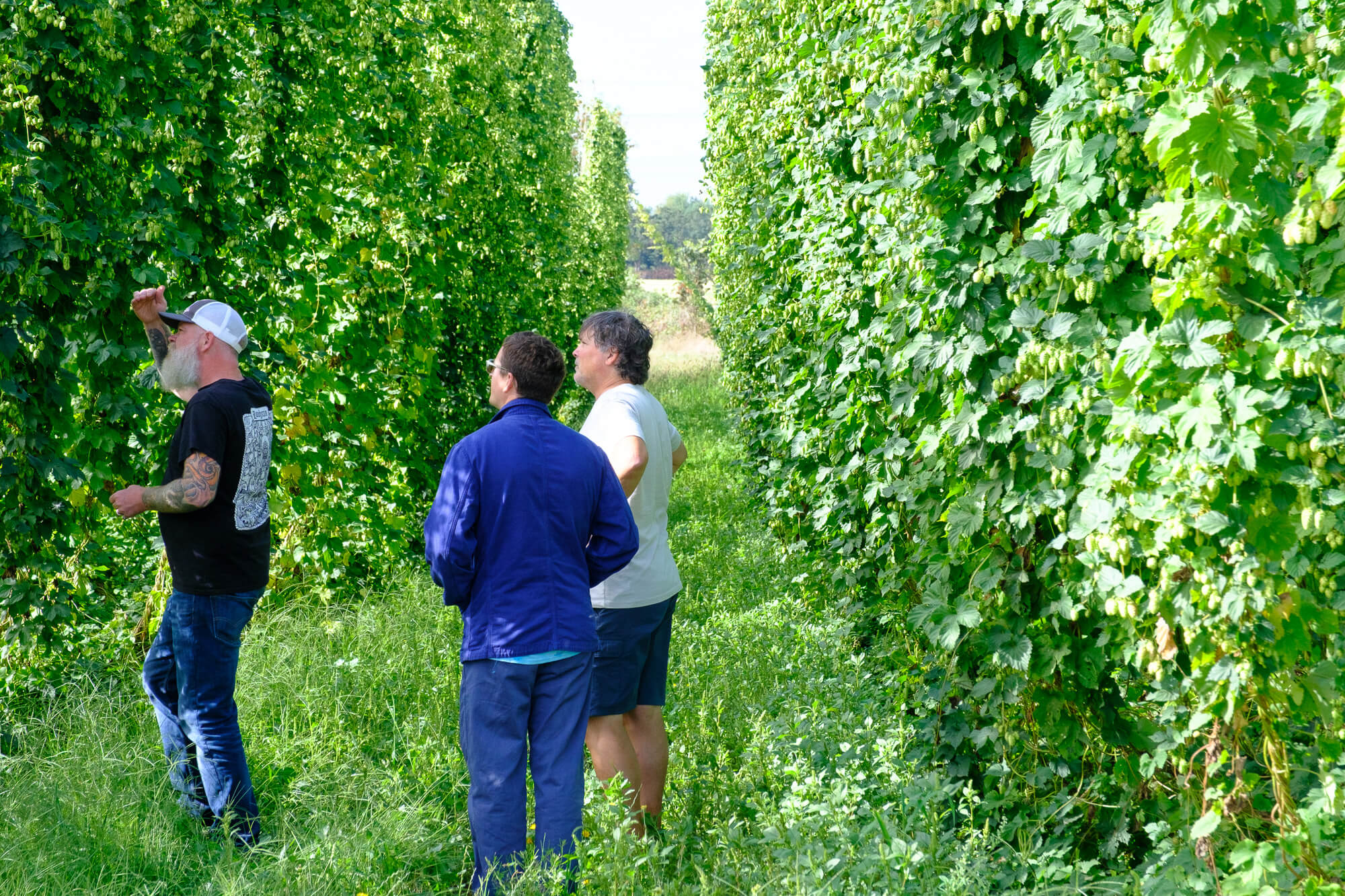 DEYA co-founder Theo Freyne with Jim Solberg of Indie Hops and Will Avery from Loughran Brewers Select. Steady Rolling Strata is DEYA's biggest special release of the year, and the brewery makes sure to secure their Indie Hops Strata® for the beer with lot selection via a hop contract.
Certain Hop Varieties Are Already Close to Being Fully Subscribed
Our own data and market intel means that we already know what varieties are looking tight for us at this stage given contracts already signed and committed. For Crosby Hops™, we’re pretty much at our max capacity for fulfilling our Amarillo®, Chinook, Comet, Thora, Columbus, Vera, Vista® and (the Indie Hops Variety) Strata® orders for the domestic market. We also know from HBC (Hop Breeding Company LLC, the joint venture between Haas and YCR)) that Krush® is sold out and Citra® will be very tight.
Public Varieties Risk Losing Acreage
From the acreage report you can spot some trends. Even though Cascade and Centennial are up ~4%, that is still small, and likely not enough to build a solid spot pipeline. Public hop varieties are always at risk when acreage is being cut and are likely the varieties to get hit the hardest because there is no central management. Anyone can grow a ‘public’ hop, but no one has a vested interest in preserving their market share. It’s totally plausible that the powers that be at HBC (whose varieties make up ~40% of U.S. acreage) will prioritize their private varieties (the likes of Citra® and Mosaic®) and keep them in the ground, and in turn ‘sacrifice’ public varieties.
It’s Obvious – But Hop Prices Will Be Affected by Supply
If all the trends point to us coming out of ‘the bottom’ of the hop price ‘market’ – ie a relative glut of hops available to buy and middling demand, so lower prices – then if we are seeing stocks now decreasing and relatively matching supply again, we can estimate something clearly – prices are likely to rise. They will increase in order to finance expanding acreage, but also due to basic supply/demand rules. This is likely to affect everyone, but is going to be felt most keenly in the spot market, which is as this represents position of least stock security to the purchaser, and now inversely that in most demand of the seller. It’s possible to infer that in a hop shortage that contract prices will rise too, but these are going to be best insulated against pricing ‘shocks’ as the risk is being shared between the brewery, distributor, and producer. Having this predictability over pricing will be beneficial if we do see market spikes.
If it’s a core beer, you’re taking a risk relying on the old crop years on the spot market
In times of hop surplus, you may be able to backfill with older crop years, but there are no guarantees of consistent, steady supply here – it’s a risky approach especially for core beers. As we naturally see hop stocks deplete, it is safe to assume that older inventory has been sold well enough at this point that the spot market will likely rely heavily on the newest crop. But as we can see from the data, the new crop acreage is flat year on year – the new harvest is not growing to allow for shortages in spot market. We also know that the current crop year is being sown and harvested based on contract demand – already high for some varieties – so this is why it’s logical to predict that spots could well be short.
We’d always discourage against multi-year contracts
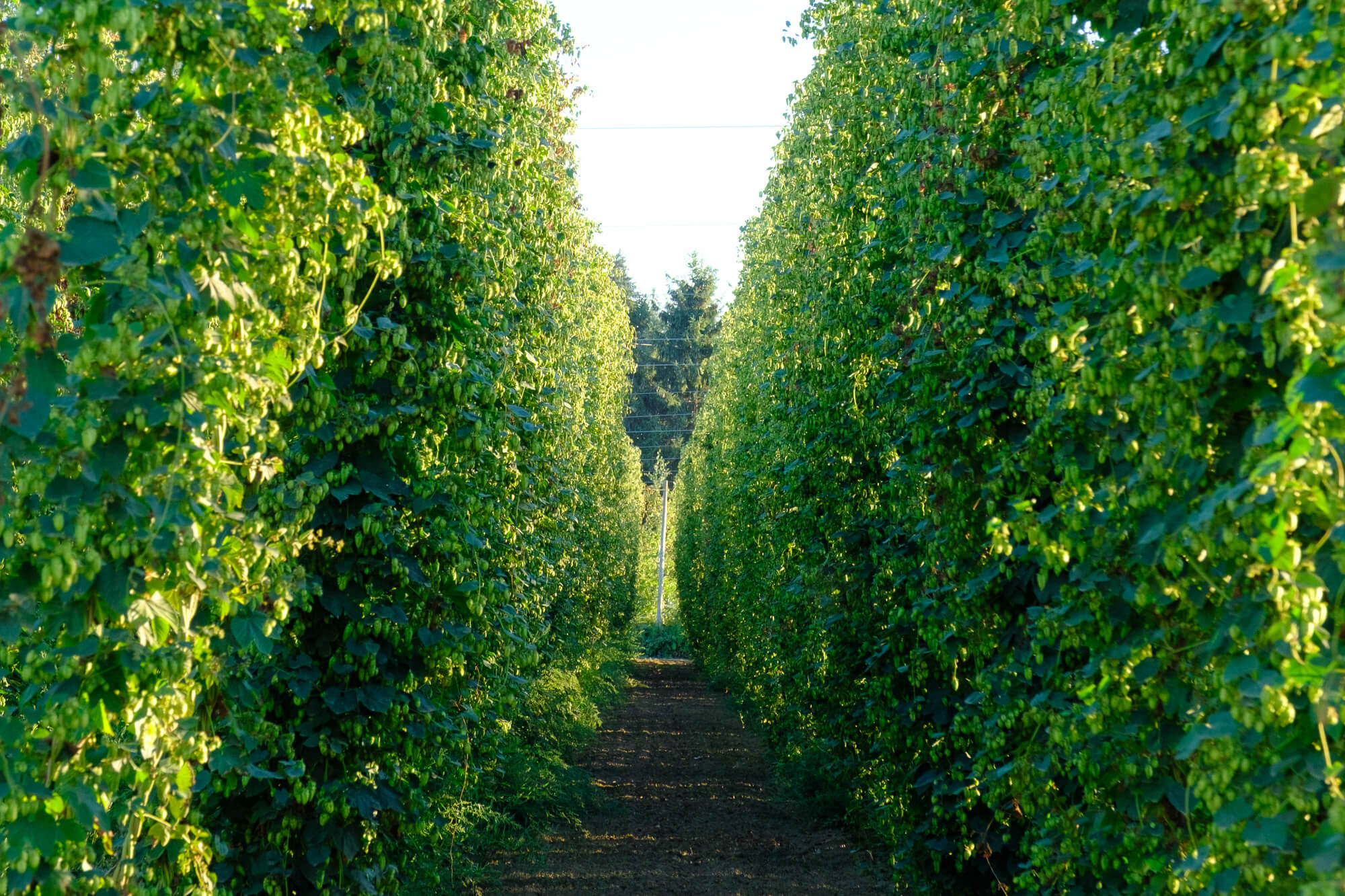
Even with everything I’ve mentioned above in terms of trends indicating towards a shortage of hops, it is crucial not to be reactionary. We know that breweries have been burned by over-committing to multi-year hop contracts. No-one has a crystal ball, and it’s hugely risky attempting to firmly commit to your brewery’s usage two plus years down the line. Make use of small contracts (you can contract as little as 5kg of some varieties), and stick to focusing on getting that one year contract locked down, with perhaps a tentative indication of that second year. There’s no need for a 3 year contract. So much will change within the hop industry now until CY29, and entirely possibly within the beer industry too. Make sure you stay close to your suppliers and stay educated. Keep a constant dialogue with them. Give them indications as to what your trends are looking like. Ask questions. Demand transparency.
"Make sure you stay close to your suppliers and stay educated. Keep a constant dialogue with them. Give them indications as to what your trends are looking like."
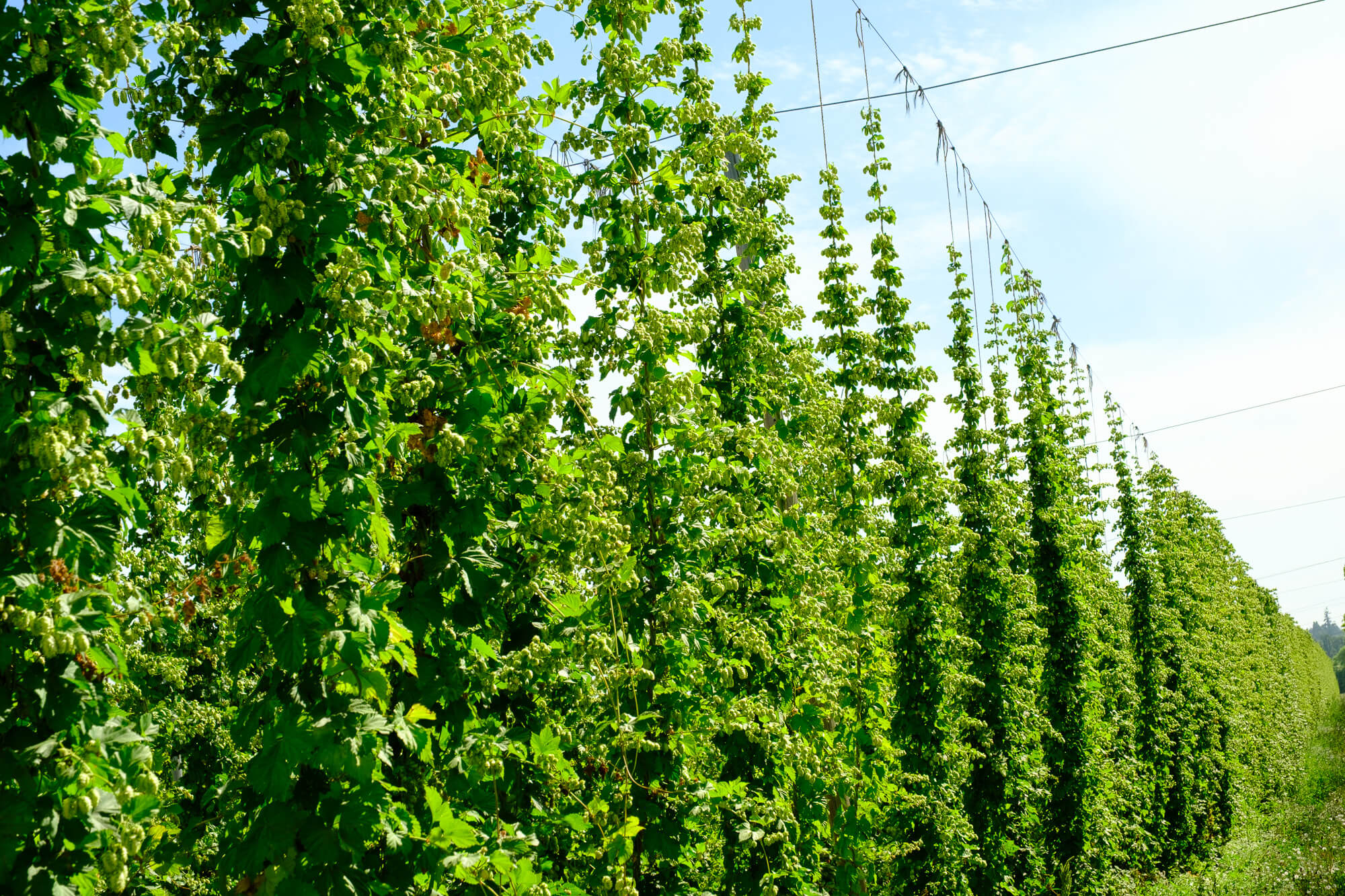
So that’s our insights from Nolan on the US Hop Industry in 2026, what’s going on with the rest of the world?
German Hop Acreage is Down
Unsurprisingly, we cannot expect a glut of hops on the market from Germany either. Whilst harvest is still ongoing here, the official estimates from CY26 point to a harvest total of 33,779 tonnes. In 2025, there were 43,141 tonnes harvested. Year on year, harvest volumes are predicted to fall 21.7%. As BarthHaas® point out, “The extreme weather conditions throughout the entire growing season are affecting hop development. All varieties appear slender in growth habit. Below-average yields are expected across all varieties.” In 2026, Europe saw its hottest summer on record, and this had an obvious effect on hop yields. In Czechia, a good start to the hop establishing and growing season was again hit by lack of rain and extreme heat in July, impacting both alpha content and yields. Slovenian hops have been badly affected by hail. Unsurprisingly, given all this, indications point towards another tight European hop market for spot availability. Some hop suppliers are predicting a shortfall even on contracts across Germany, Czechia, Slovenia, and potentially even Poland.
“The extreme weather conditions throughout the entire growing season are affecting hop development. All varieties appear slender in growth habit. Below-average yields are expected across all varieties.”
New Zealand Crop 2026
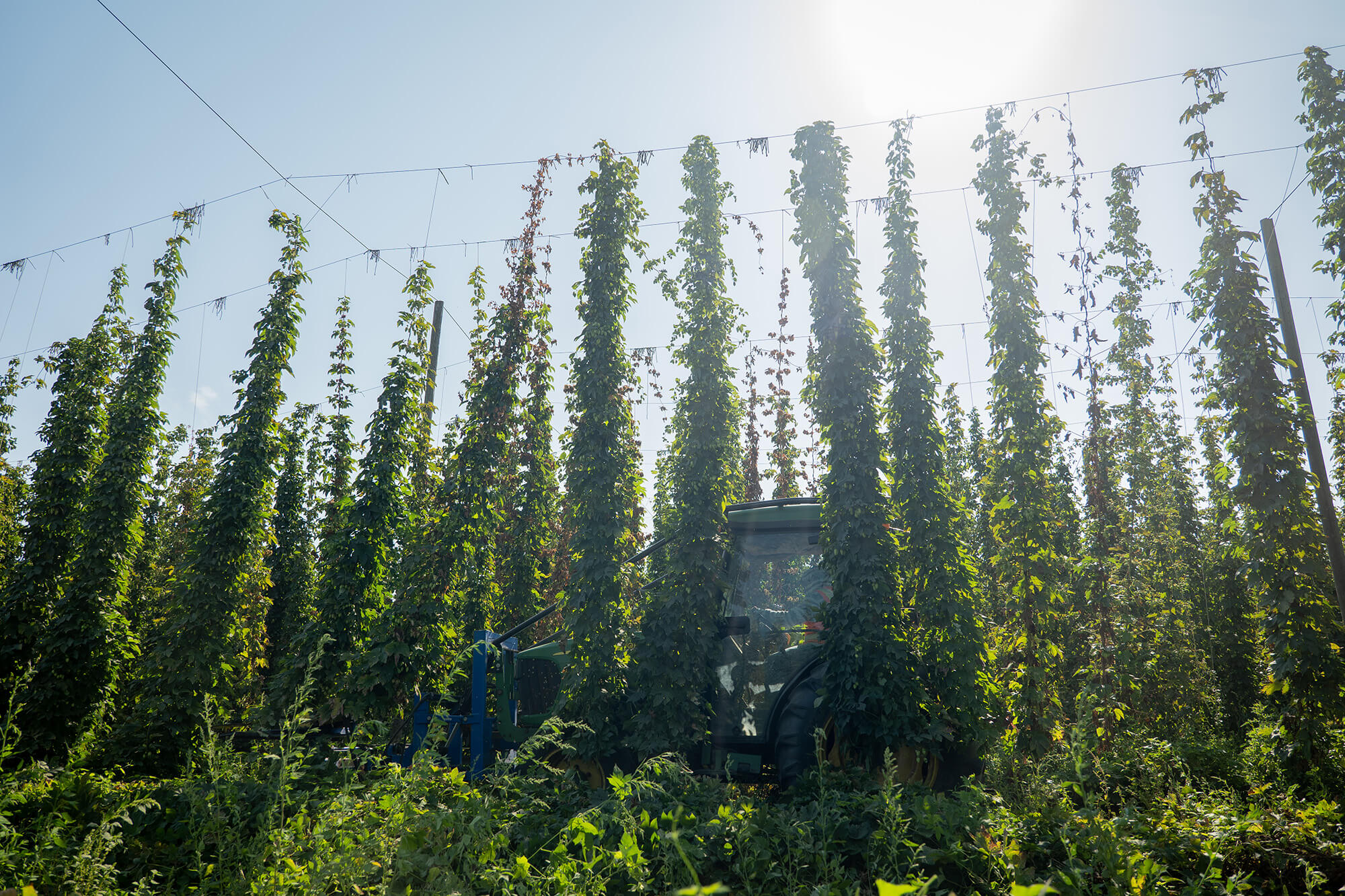
Growers in New Zealand do not publish annual hop production data generally. However, anyone involved in the industry can note the relatively strong demand for New Zealand hops currently, as well as growing demand across Asia. Both our partners Clayton Hops™, as well as other suppliers like NZHops™ note a need to meet (or in the case of NZHops™ “catch up with”) increasing demand. Unfortunately, whilst the harvesting season itself was good, challenging weather during the grower season has resulted in below average yields – down 5% compared to previous years, meaning that despite best efforts, actual harvested crops are only very marginally increased year on year in several cases.
"Yields were below average across most key varieties industry-wide in CY26, driven primarily by difficult growing conditions. This is consistent with observations from across the New Zealand hop industry and reflects the challenging seasonal weather rather than any change in planted or strung acreage."
Australia Crop 2026
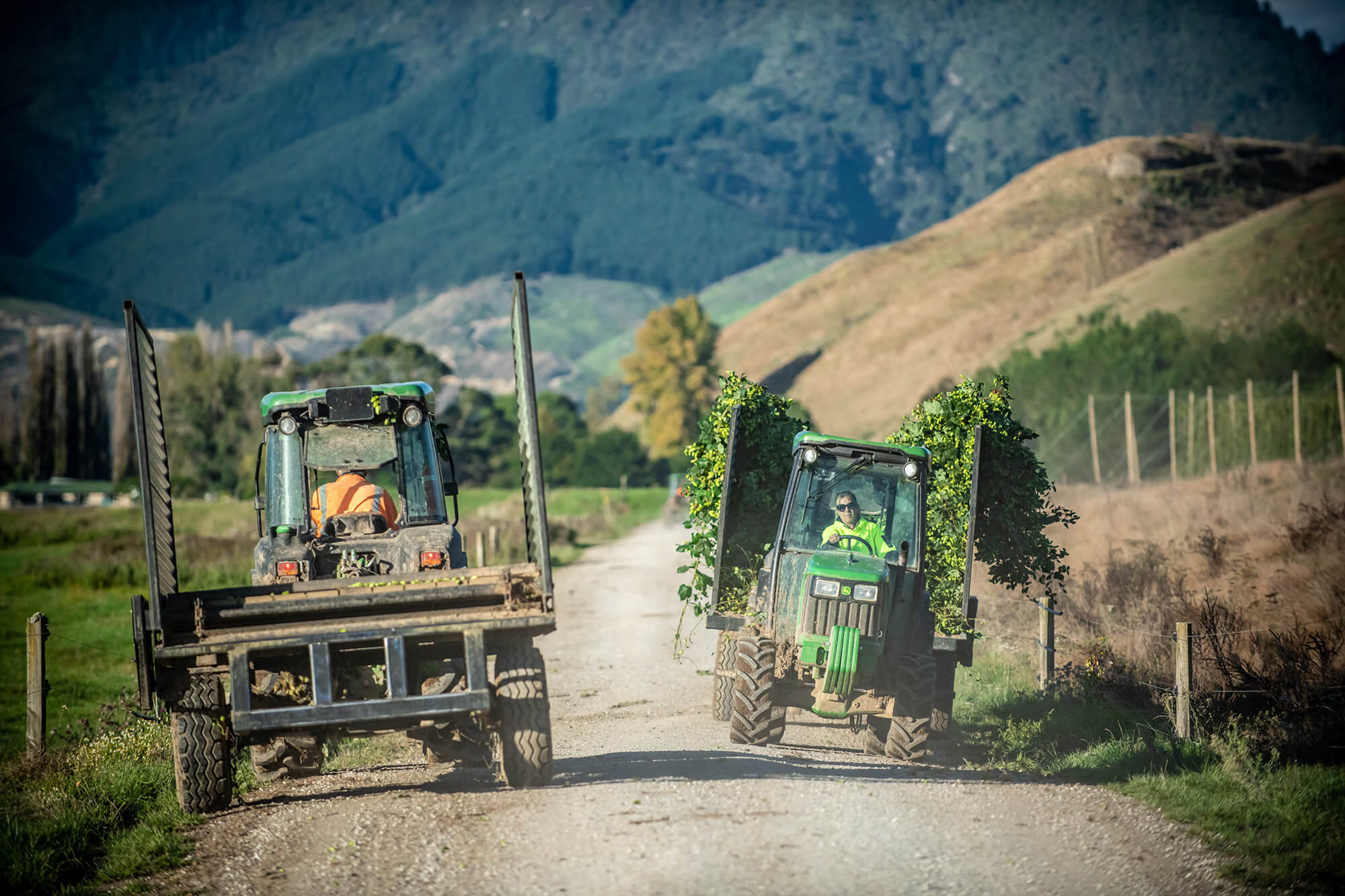
Hop Products Australia (HPA) notes an 11.7% reduction in Crop 2026 across their proprietary hops in order to better balance the market as a correction against historical oversupply (as we read about in the US above). HPA also used this opportunity to better invest in productivity and processing for better harvest window management and improved hop quality in beer, as well as their breeding programs. HPA note themselves that despite historical oversupply stocks are now reaching equilibrium, so much like the US, we can assume that the trend will soon point towards reduced supply.
"Structural oversupply has been a dominant theme in the global hop industry, but things are gradually reaching equilibrium following acreage reductions in most major growing regions."
Contract Sensibly. Secure Supply of Your Key Hops
Rolling all our data from our 2026 hop harvests together we can largely see a general trend towards either:
- A conscious restriction of acreage in order to re-balance over-supply
- Mother nature’s hand in reduced hop yields despite our best efforts.
For some time there’s been a default expectation by those experienced that there’s been a glut of hops available, and it has (to an extent) been a bit of a buyer’s market. We’re seeing that change, and a prudent brewer needs to stay ahead to secure supply with a sustainable contract to lock in stable pricing and guarantee supply. Contracts do not need to be a multi-year colossus. Start small and sensibly, and remember, you can contract some varieties for as little as 5kg at a time in T90, advanced hop product like CGX® or Amplifire™ Pellet or Amplifire™ Fresh Hop Oil, and even Leaf. Talk to us – we’re here to help get you the hops you need for great beer.
The Hop Market in 2026
After years of a relative surplus of hops on the spot market, the hop industry is changing. It could be time to rethink your approach to hop contracting. Read more at the link below.