
Clayton Hops™
HopsNew Zealand's largest and most advanced hops grower and processor — family owned, globally trusted
Their Story
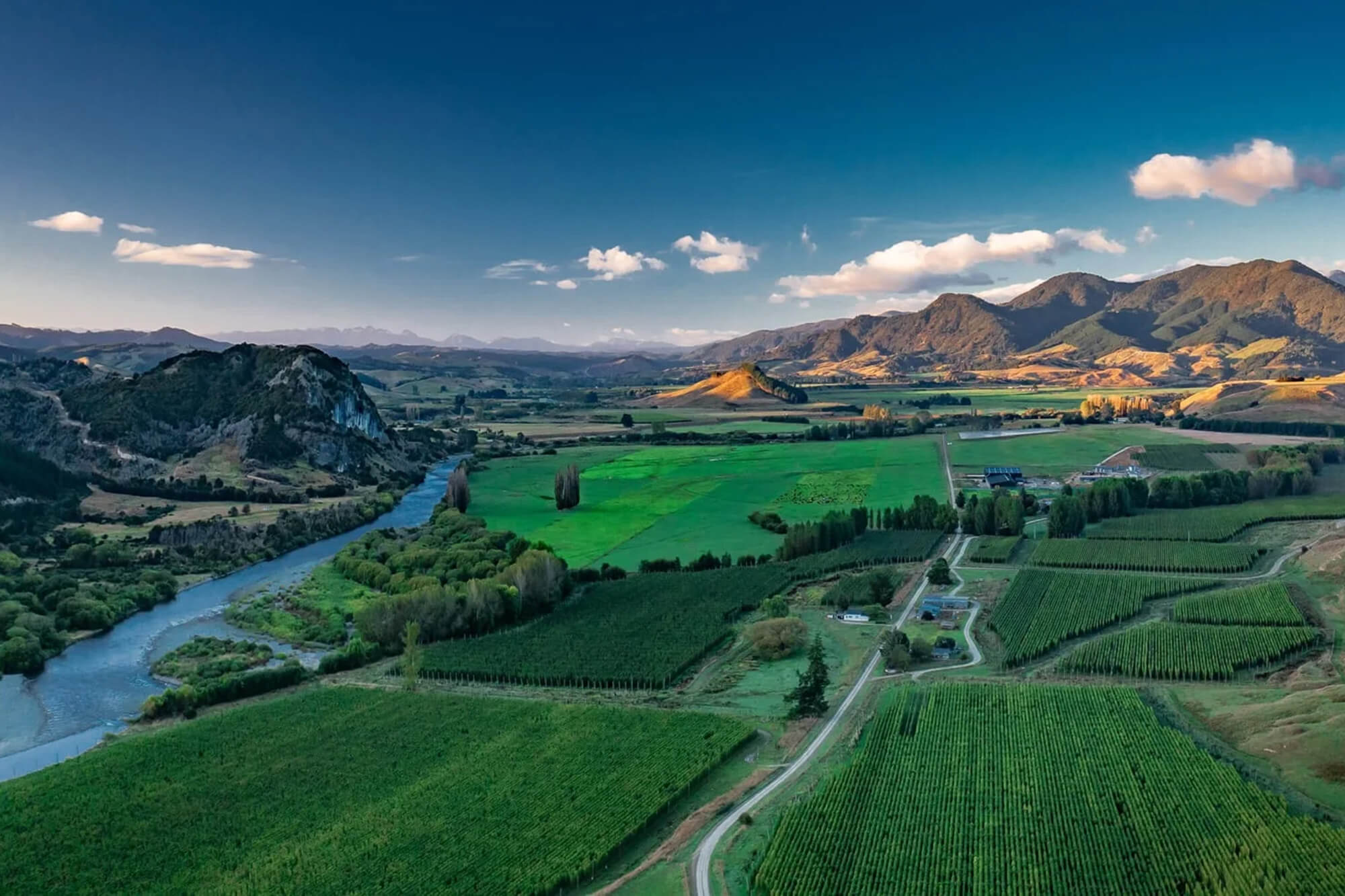
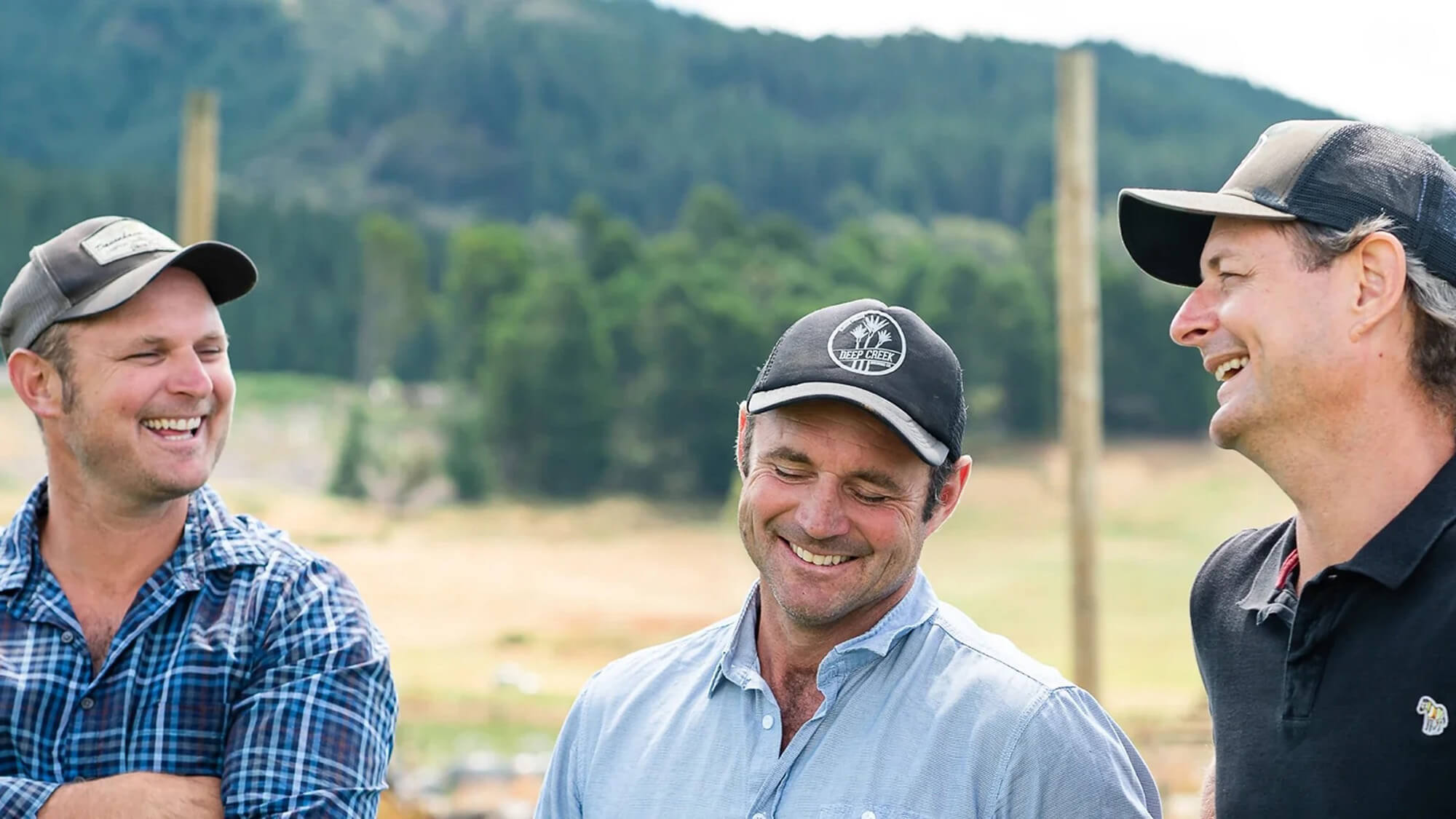
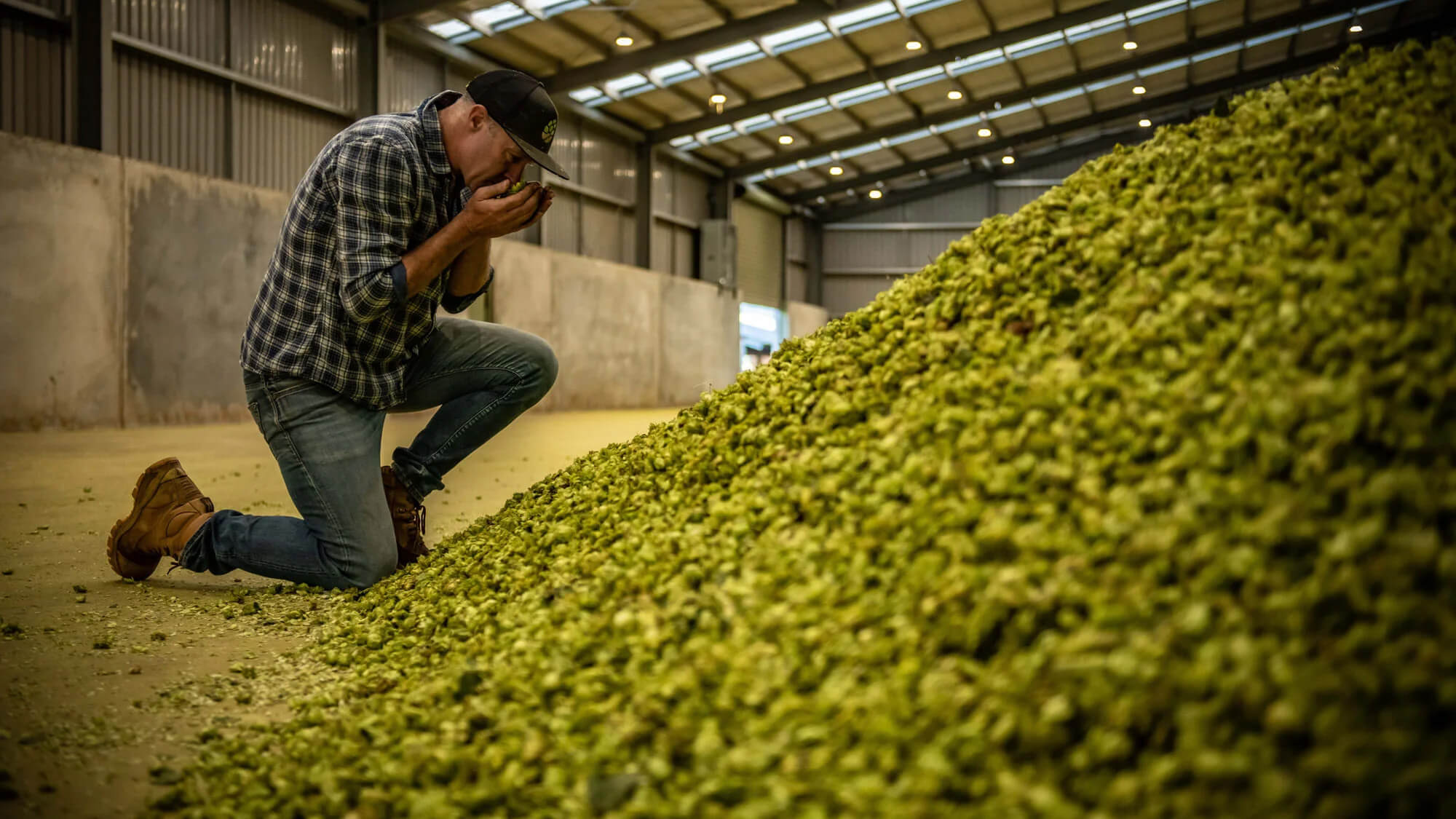
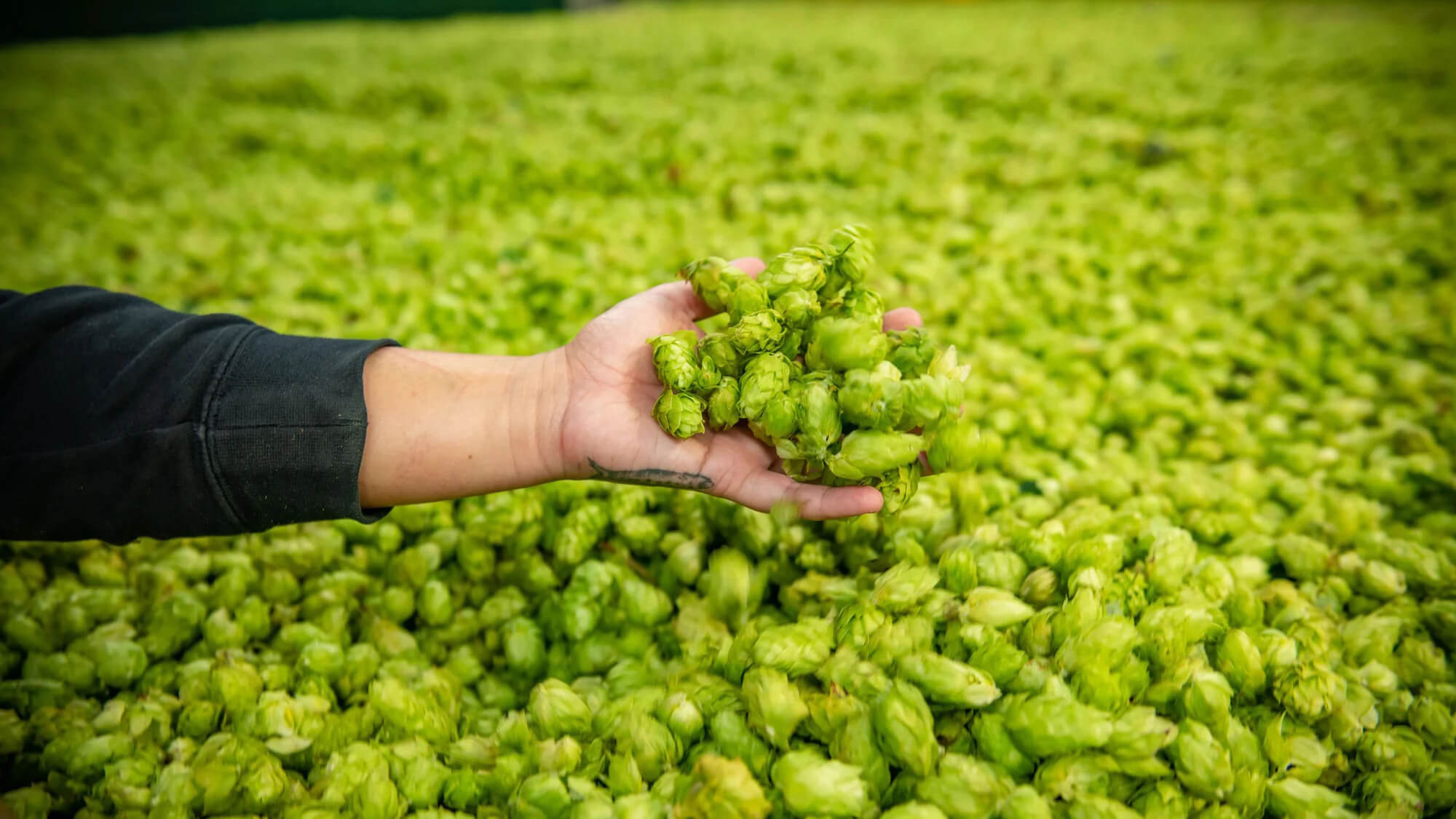
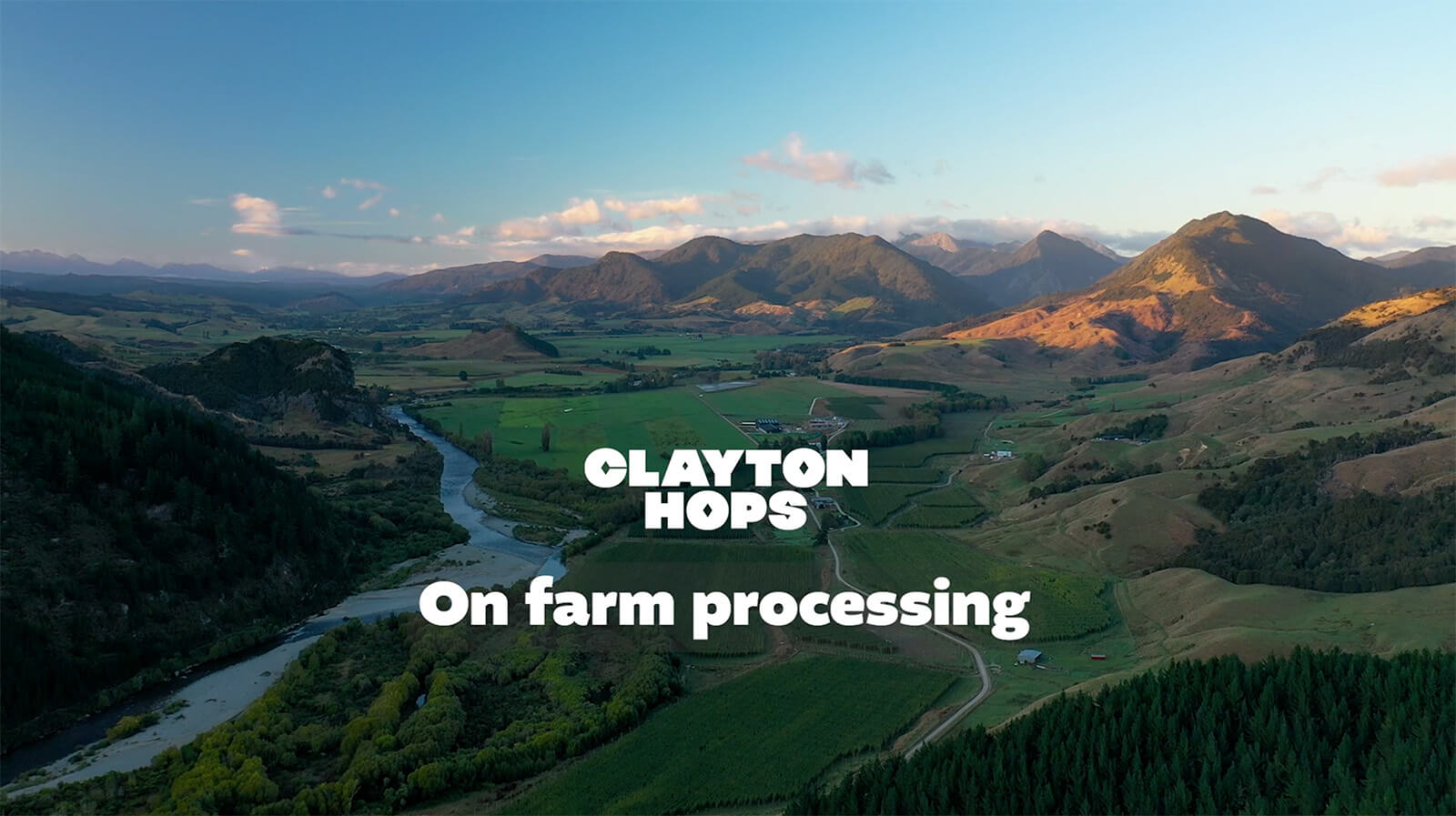
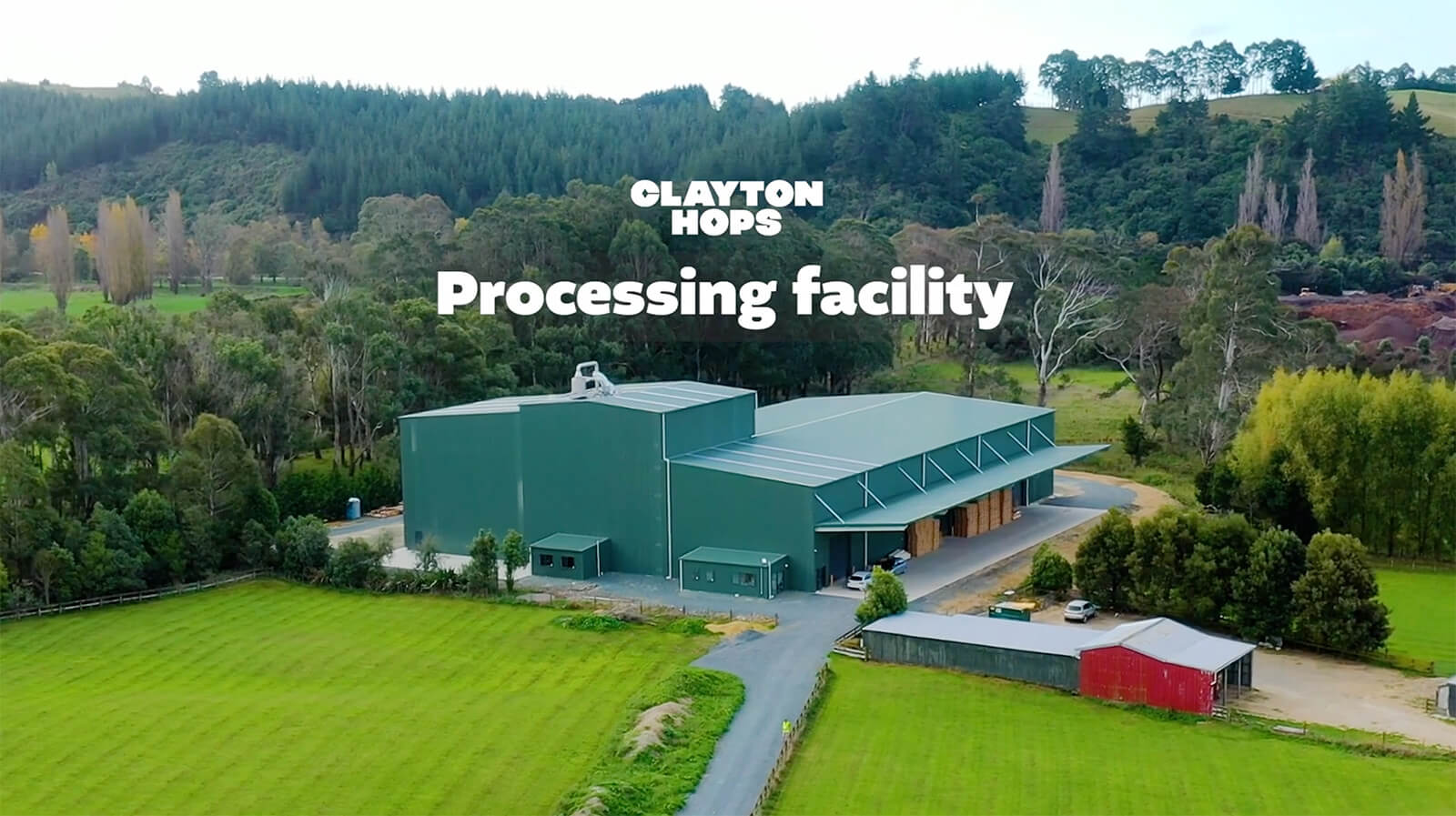
Hops proudly grown and made in New Zealand – the story of Clayton Hops is the story of three brothers – Brian, Glen and Andrew. The Clayton family has a long-standing history of farming in New Zealand, and take great pride in their four farms spread over 1,350 acres of clean soil, fertile fields, secluded valleys and clear mountain streams – and no need for fungicides(!) – all set in New Zealand’s Tasman region in the North West of the South Island. The Clayton processing facilities include modern on-farm hop harvesting systems (less leaf and stem, more hoppy goodness), new flat-bed drying kilns (fume-free) and a new state-of-the art world-class pelletising, packaging and cool store facility. They are committed to a shared philosophy of guardianship and respect for the land, and to maximise the magic that’s in their hops; locking in the freshness and bringing flavour and aroma to the fore.
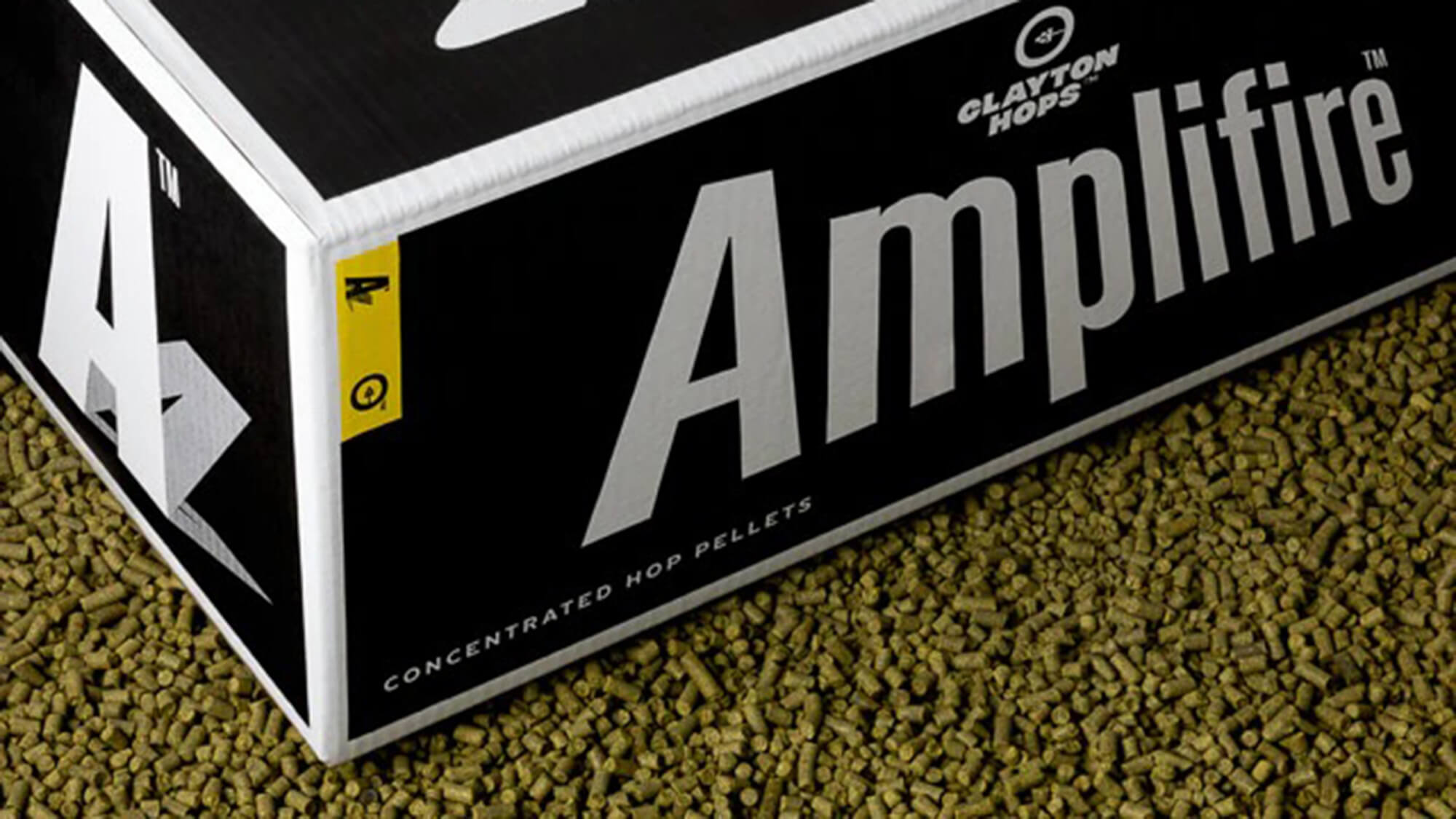
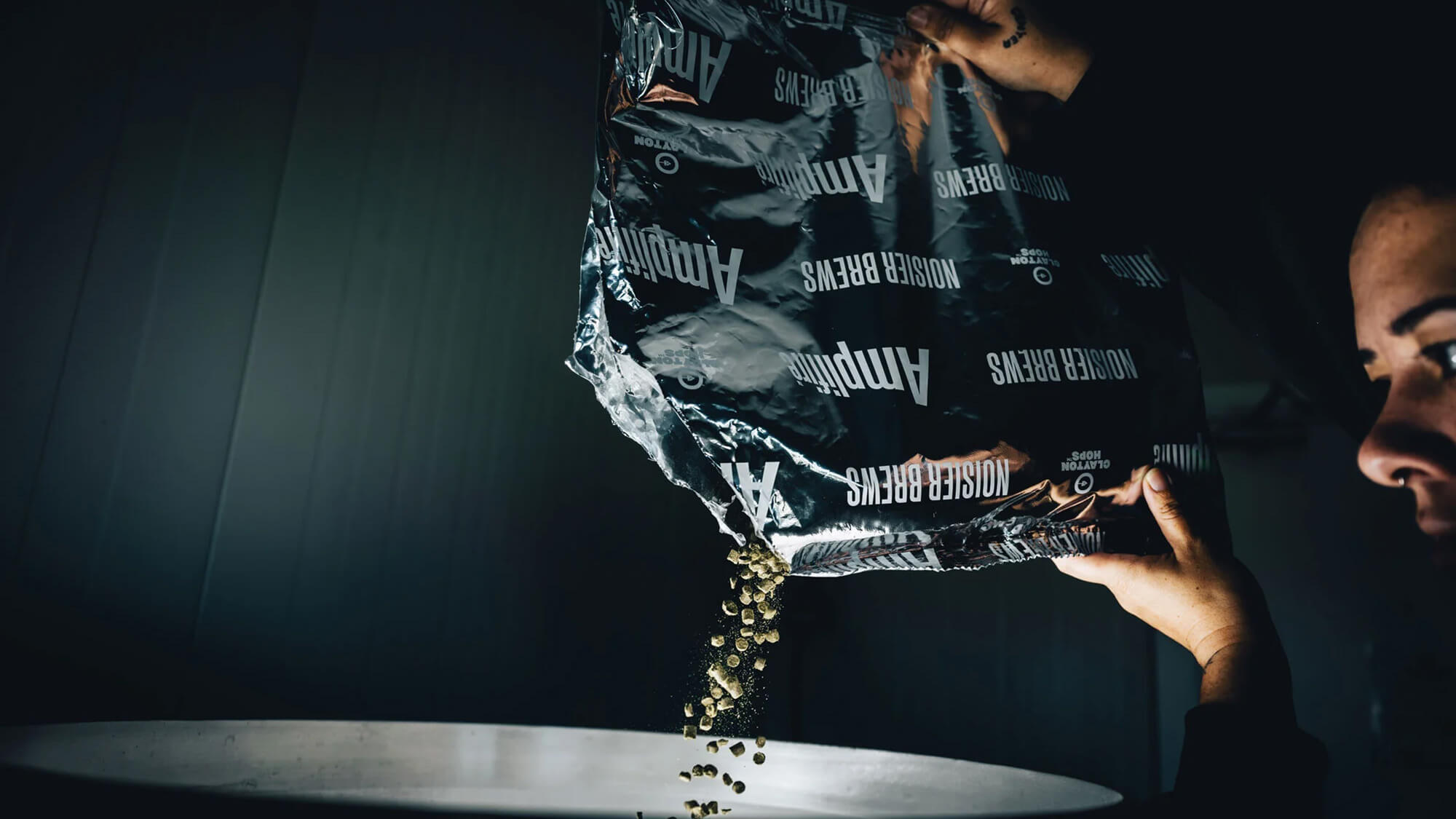
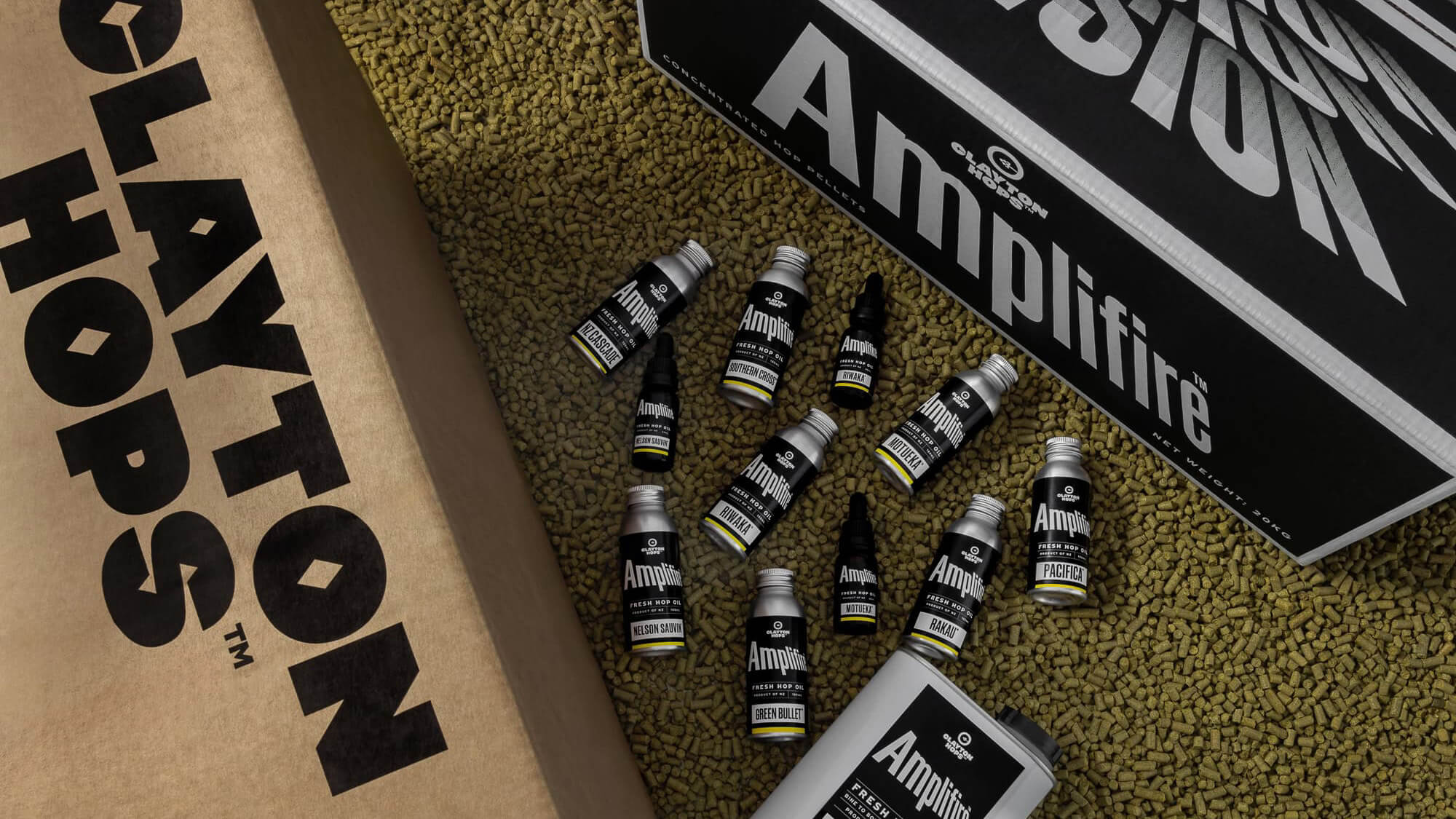
Clayton Hops™ are not only the largest hop growers in New Zealand – they’re also vertically integrated too – boasting their own hop processing, packaging, and cold store facility. It’s also home to the only cryogenic concentrated lupulin pellet processing facility in the Southern Hemisphere. Here the Clayton Hops™ team has developed a patent-pending technique for the creation of Amplifire™ Cryogenic Concentrated Lupulin Pellets, as well as innovating with Amplifire™ Fresh Hop Oil, a water and beer soluable flowable liquid hop product made from fresh hops. The Clayton commitment to freshness extends to their Faster Fresher Better premium T90 hop pellets too, which are targeted to be processed and packaged within 3 to 7 days of the hops being harvested. This dedication to quality beer and new product development extends even further too with the Clayton Innovation Project, working alongside the Plant & Food Research department of New Zealand Bioeconomy Science Institute to develop brand new and exclusive hop varieties like CIP 014 – NZ Rhapzody™.
The Clayton Hops™ Hop Farms
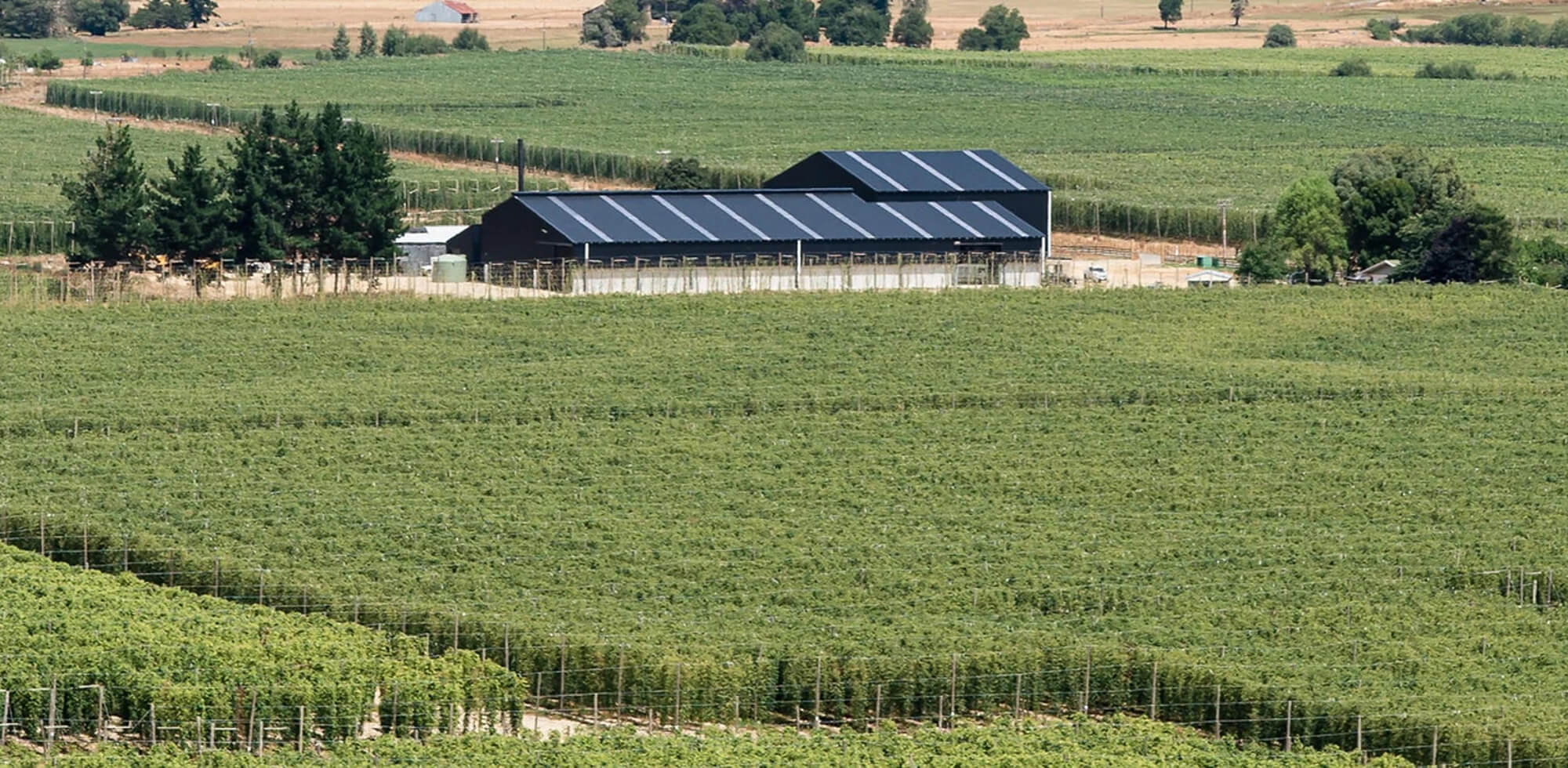
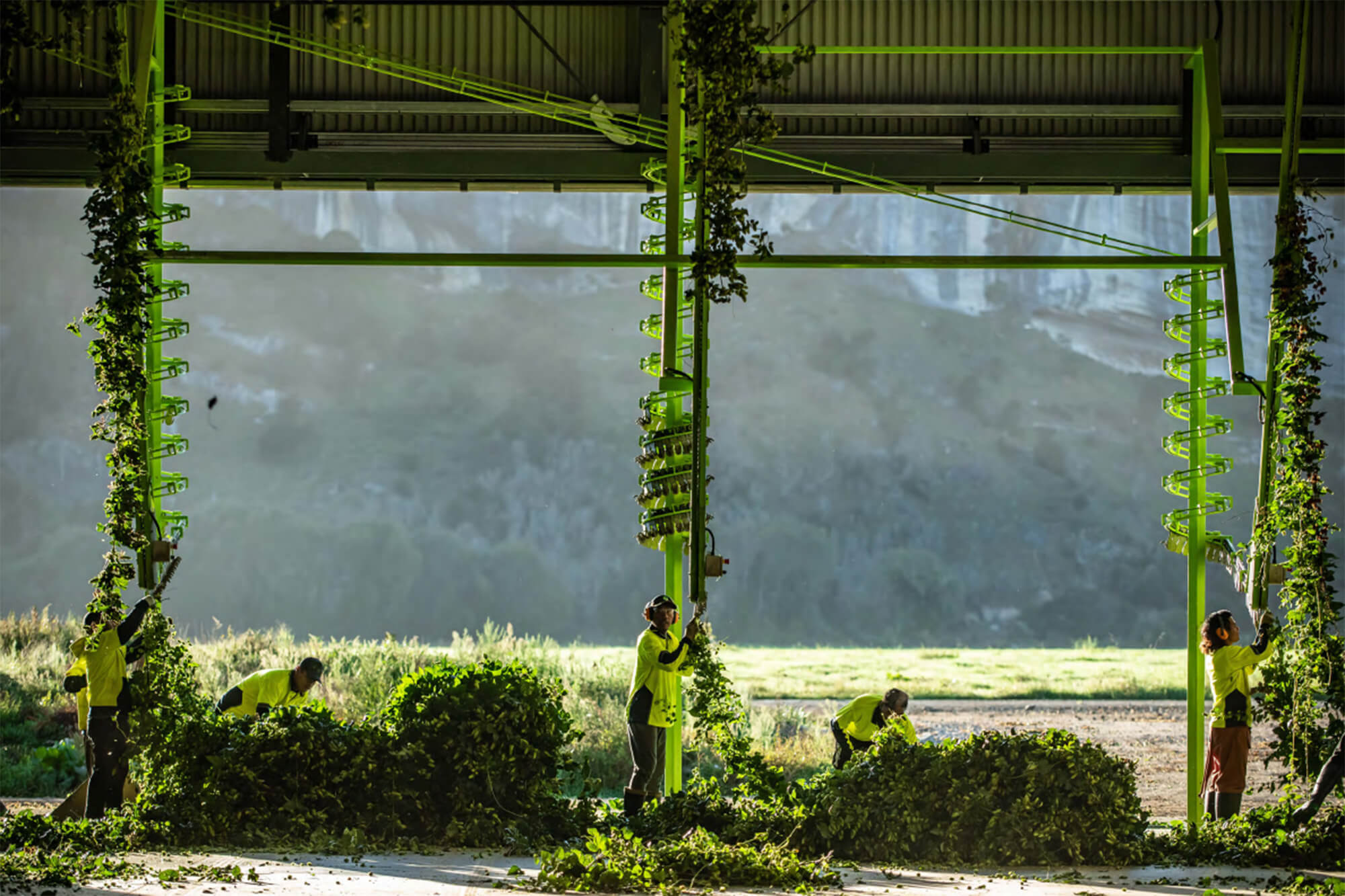
To know a hop producer is to know their farms, and, crucially, their love of their soil and environment. They’re custodians of their land for future generations after all. Each of the four Clayton Hops™ farms has its own modern, high-capacity and centralised harvesting facilities, comprising hop picking, sorting and drying equipment. These gives them a real edge at harvest time – allowing them to pick hops in their prime harvesting window quickly and efficiently, and process them fresh.
Korere Hop Farm
This was the Clayton’s first hop farm covering 200 acres of gardens in Korere. The hills that border the eastern side of the property make for an extraordinary viewing platform at harvest – showcasing their state-of-the-art hop picking, cleaning and drying facility.
Battery Hill Hop Farm
A 300-odd acre hop garden at the base of the Kahurangi National Park, spanning several different elevations with varying soil types. It’s one of the most beautiful hop farms on the planet.
Mt Arthur Hop Farm
Overlooking Motueka River and sitting in the shadow of Mt Arthur covering around 330 acres. Rich, fertile soils, hot, sunny and still summer days – and cold winters – perfect for growing top tier New Zealand hops.
Blue Rock Hop Farm
The new kid on the block, and a 520 acre whopper – named after the ‘blue’ rock cliff formation that overlooks the farm, and just over the Wangapeka River from the Battery Hill Hop Farm.

Sustainability
Clayton Hops combines sustainable farming, innovation, and responsible processing to help shape the future of hop production.
NZGAP Certification
The Clayton Hop farms are proud members of NZGAP (New Zealand Good Agricultural Practice), a nationally recognised assurance programme that promotes safe, sustainable and socially responsible farming.
100% Biodegradable String
Strings are mulched directly into the soil post-harvest, eliminating plastic waste and contributing to soil health. This simple change has removed thousands of kilometres of synthetic material from the waste stream annually.
Hop Waste Compost Program
Clayton Hops™ transforms post-harvest hop waste into nutrient-rich compost, improving soil health, water retention, and microbial activity. They have also invested in systems to combine hop waste with sawdust and green waste to optimise the carbon-to-nitrogen ratio, accelerating decomposition and ensuring consistent compost quality.
Harvesting Waste Water for Irrigation
Water is collected during winter in on-farm reservoirs to augment irrigation water supply in spring and summer.
Biodiversity Initiative
Clayton Hops™ supports biodiversity and waterway restoration across New Zealand’s South Island through regenerative farming and native habitat projects. On-farm initiatives including riparian planting, soil stabilisation, and pollinator habitats help improve water quality, soil health, and the long-term sustainability of hop growing.
They have also partnered with a major NZ brewery through the The Nature Conservancy and the Kotahitanga mō te Taiao Alliance (KMTT) to support efforts to restore biodiversity and protect waterways across Te Tauihu (the top of the South Island of New Zealand).
Dripline Irrigation & Fertigation
Precision dripline irrigation at Clayton Hops™ delivers water and nutrients directly where they’re needed, using up to 40% less water than traditional systems while reducing waste and environmental impact.
Livestock For Weed Control To Reduce Herbicide Usage
Sheep play a key role at Clayton Hops™, naturally controlling undergrowth while reducing herbicide use, lowering fuel consumption, and improving soil health.
No Fungicide Usage & Minimal Pesticide Usage
Clayton Hops™ does not use fungicides.
They maintain one of the lowest pesticide application rates in the global hop industry. In some seasons, they achieve zero pesticide use.
Biological controls and canopy management are used to manage the region’s key hop pest, supporting clean, natural hops.
Carbon Footprint Reduction
Clayton Hops™ is reducing its carbon footprint through centralised harvesting facilities that cut transport emissions and ongoing investment in renewable energy. In New Zealand, 80–85% of electricity already comes from renewable sources such as hydro, geothermal, wind, and solar.
Carbon Footprint Measuring
Clayton Hops™ has worked alongside BX to independently audit their carbon emissions across their hop products:
T90 Pellets – 3.75 kg CO₂e, or, for benchmarking purposes, 3.18 kg CO₂e (composting emissions are typically not mentioned in industry benchmarks).
Amplifire™ Concentrated Lupulin Pellets – 3.38 kg CO₂e, or, for benchmarking purposes, 2.81 kg CO₂e (composting emissions are typically not mentioned in industry benchmarks).
Amplifire™ Fresh Hop Oil – 0.47 kg CO₂e, or, for benchmarking purposes, 0.35 kg CO₂e (composting emissions are typically not mentioned in industry benchmarks).