
Low Alc
Brewing
All the Yeast, Malts, Adjuncts, Advanced Hop Products & Brewing Aids you need to brew great low alcohol beers are here
Plus insights into low alcohol brewing:
Practical Guidelines, Preventing off-flavours, Dispense & more
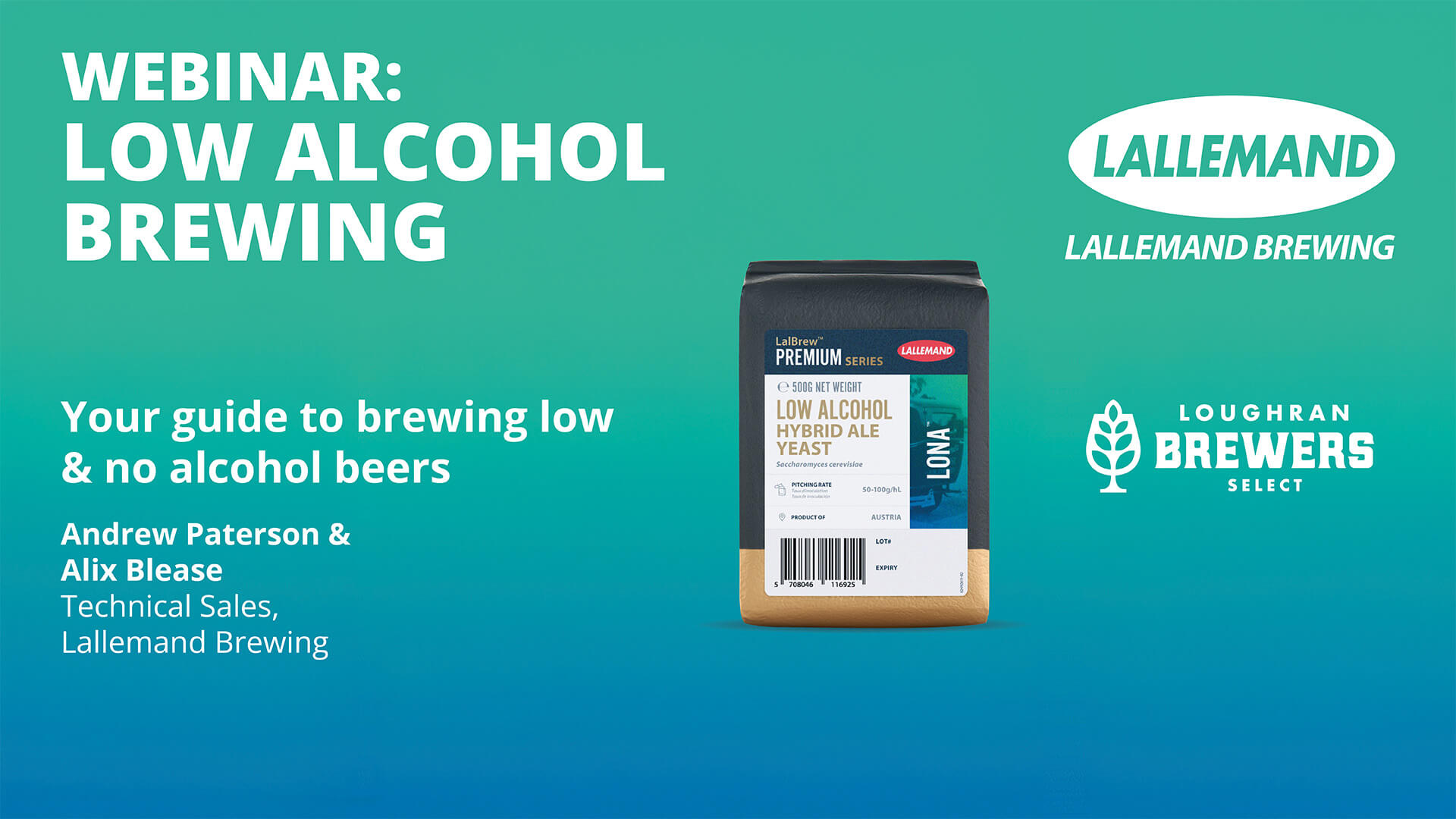
Guest Blog Post - Brewing Low Alcohol Beer: Science, Challenges & Solutions
Andrew Paterson from Lallemand Brewing shares his knowledge on low alcohol brewing with:
Practical guidelines
Fermentation Advice
Recipe Suggestions
Mistakes to avoid
Read now
Low Alcohol Brewing Yeasts from Lallemand Brewing
Control Fermentation to create low alcohol beer
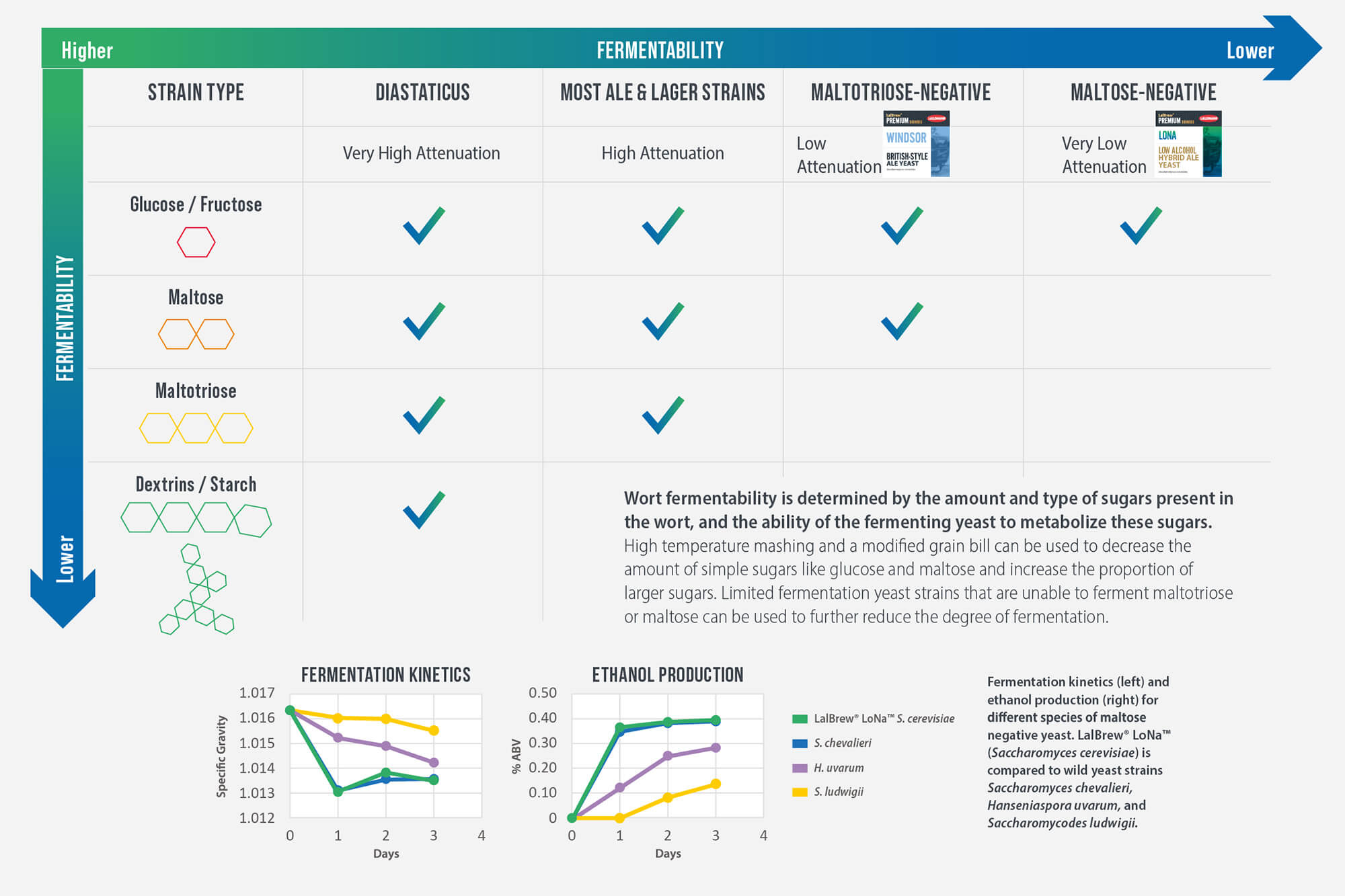
Avoid the need to mechanically remove alcohol from beer by using a yeast strain that metabolises only specific sugars.
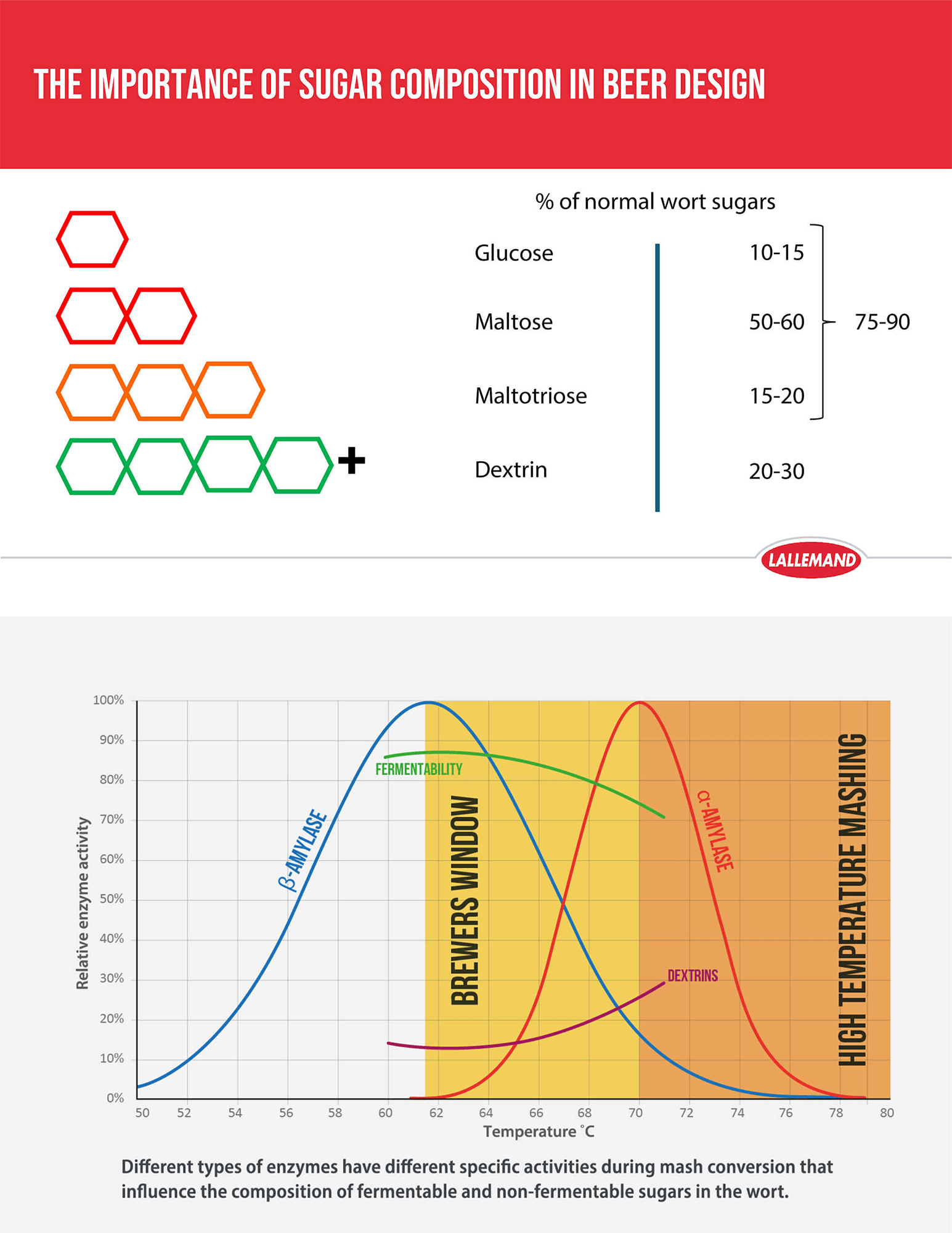
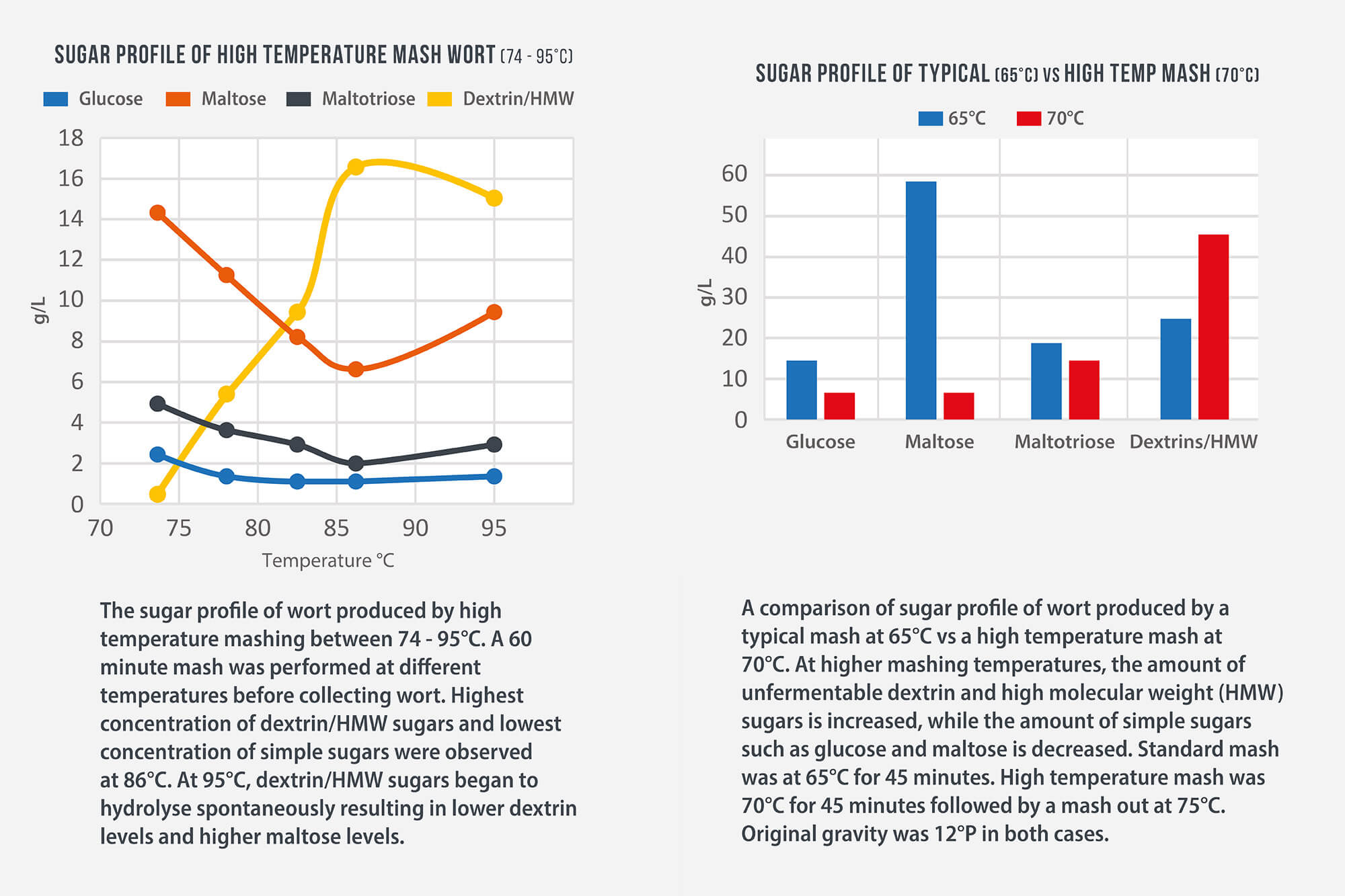
Use high temperature mashing (70-75°C) to reduce maltose concentration and increase maltotriose and dextrins.
Use very high temperature mashing (85–90°C) to further limit fermentability – but beware sticky worts and poor lautering.
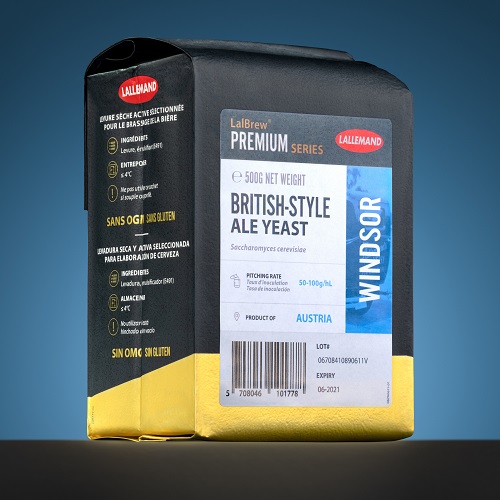
You can use Lallemand LalBrew® Windsor™ British Style Ale Yeast with very high temperature mashing as this yeast reduces fermentability by 15–20% as it does not metabolise maltotriose
Or, to mash at a lower temperature, choose Lallemand LalBrew® LoNa™ Low Alcohol Hybrid Ale Yeast which will not metabolise maltose or maltotriose
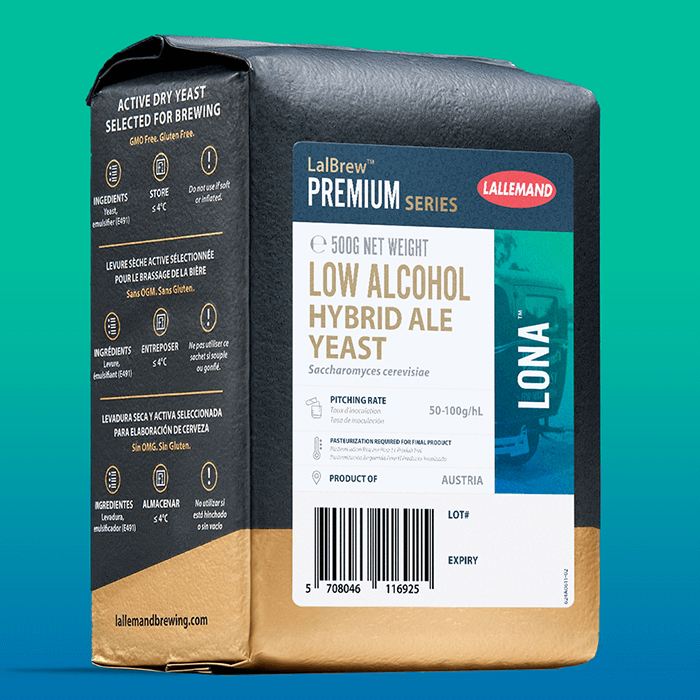
Lallemand LalBrew® LoNa™ Low Alcohol Hybrid Ale Yeast
Type: Maltose-negative Saccharomyces cerevisiae
Fermentation Range: 20 – 25°C
Aroma: Clean & neutral, no POF or sulfur, wort flavours absent or minimal
Very low attenuation of 16-20%. Lower attenuation possible using high temperature mashing.
Medium Flocculation
This strain is POF negative.
LalBrew® LoNa™ will not metabolise maltose or maltotriose & only ferments glucose.
As used by: Anarchy Brew Co., NOLIA (Beak), Bluntrock, Left Handed Giant, Newbarns, Northern Monk, Sureshot, St. Austell & Track
Brewers on LalBrew® LoNa:
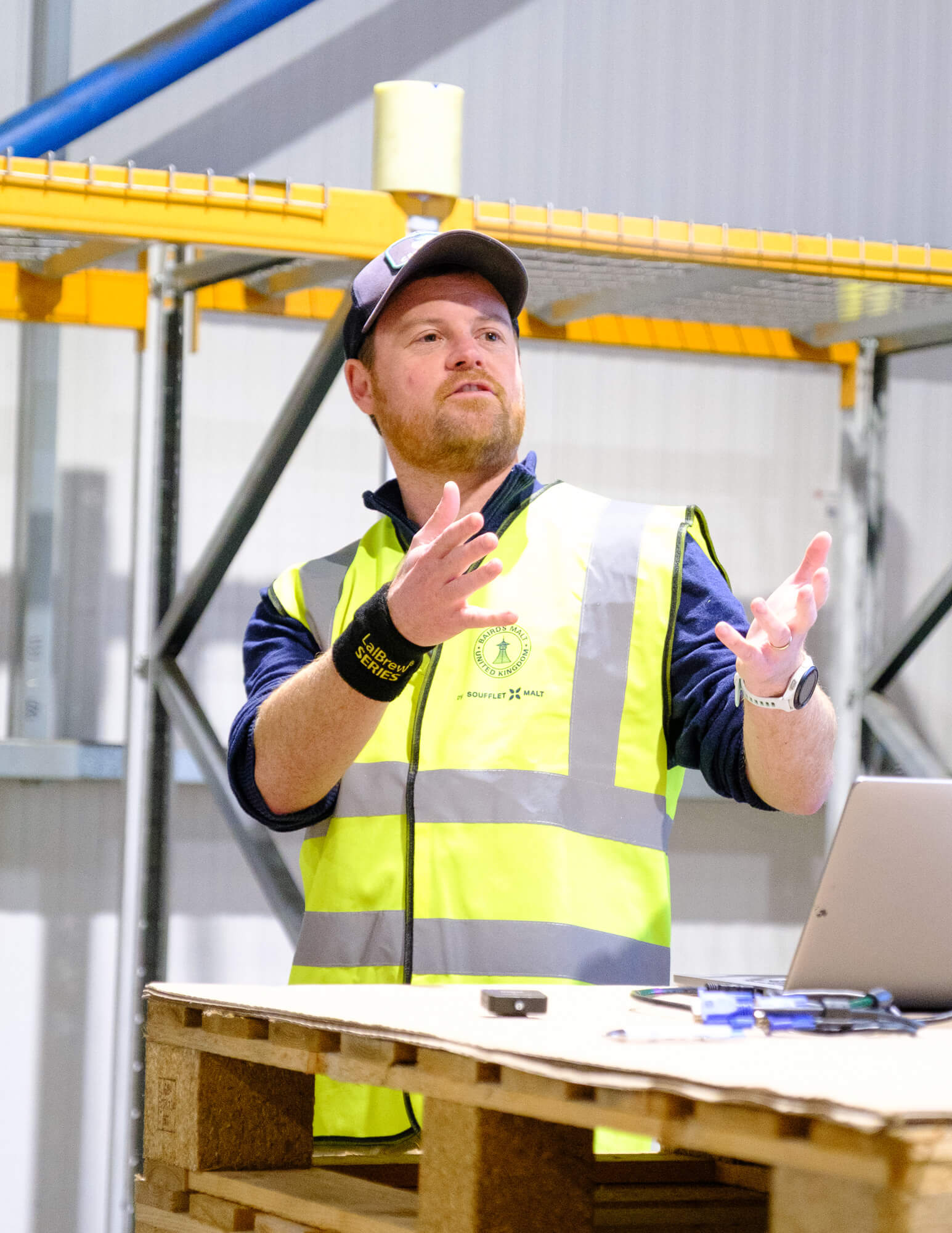
"Using LoNa has been like brewing any regular hazy beer, With the Support from Alix at Lallemand on a few technical aspects from the first batch everything was great and consistent from batch to batch. Ensuring the correct Mash temps are hit is essential, everything else depends on the flavour profile desired."
- Jimmy Allan, Anarchy Brew Co.
Lallemand LalBrew® Windsor™ British Style Ale Yeast
Type: Maltotriose-negative Saccharomyces cerevisiae
Fermentation Range: 15 – 22°C
Aroma: Fruity, estery
Medium attenuation
Low Flocculation
This strain is POF negative.
LalBrew® Windsor™ will not metabolise maltotriose (a molecule composed of 3 glucose units). Maltotriose comprises an average of 10-15% of total sugar in all-malt worts.
As used by: Bristol Beer Factory
Non-Alcohol Beer & Low Alcohol Beer Best Practices
Check out Lallemand's guide to brewing low and no alcohol beers.
Download the no & Low Alc Brewing Best Practices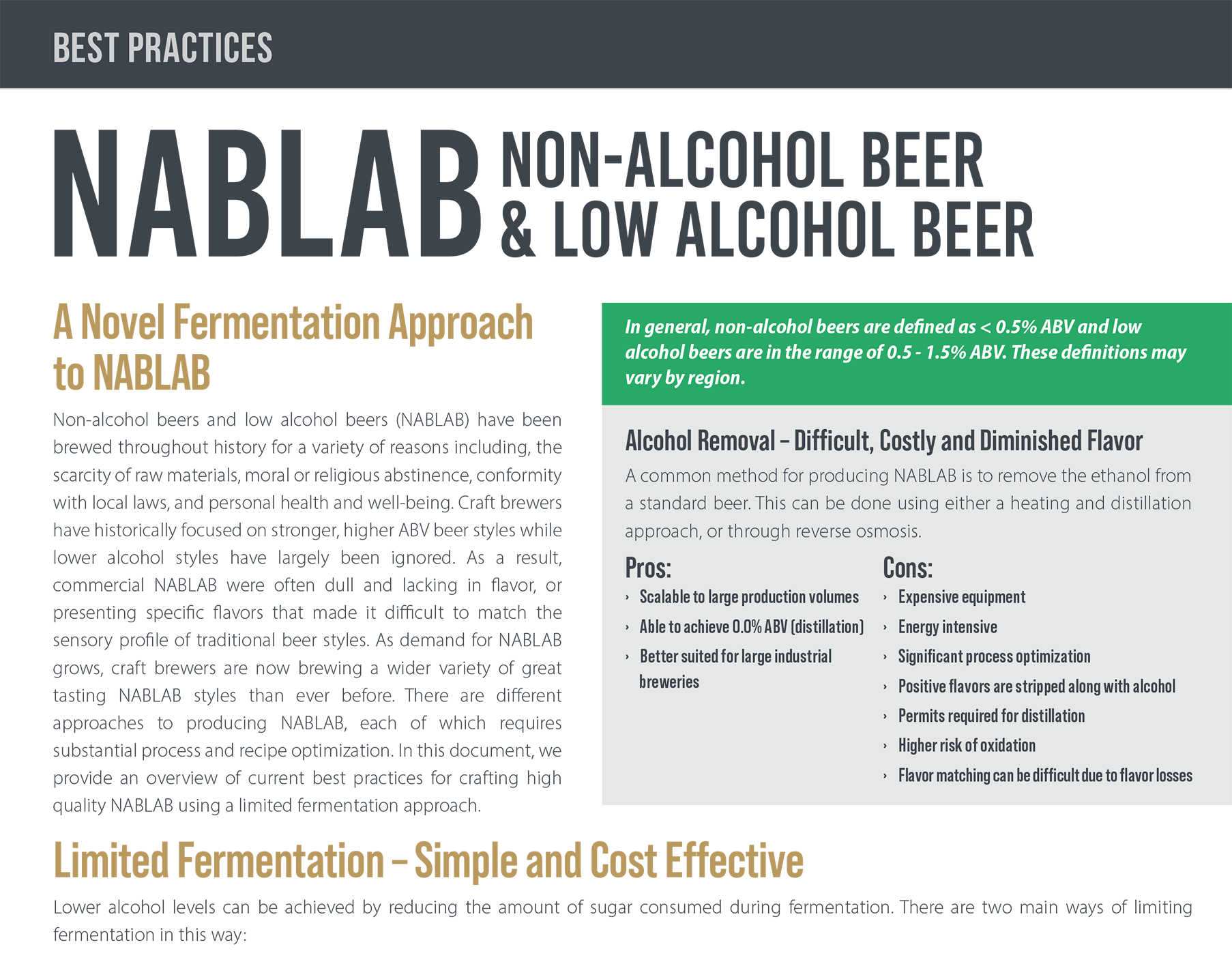
Malt for Low Alcohol Brewing
A sensible rule when starting out can be to aim to brew pale ale beers where possible.
You should certainly aim to avoid dark malts in higher proportions in the grist, as dark malts can introduce sweetness and aldehyde-related off-flavours to your low alcohol beer.
Adjuncts for Low Alc Brewing
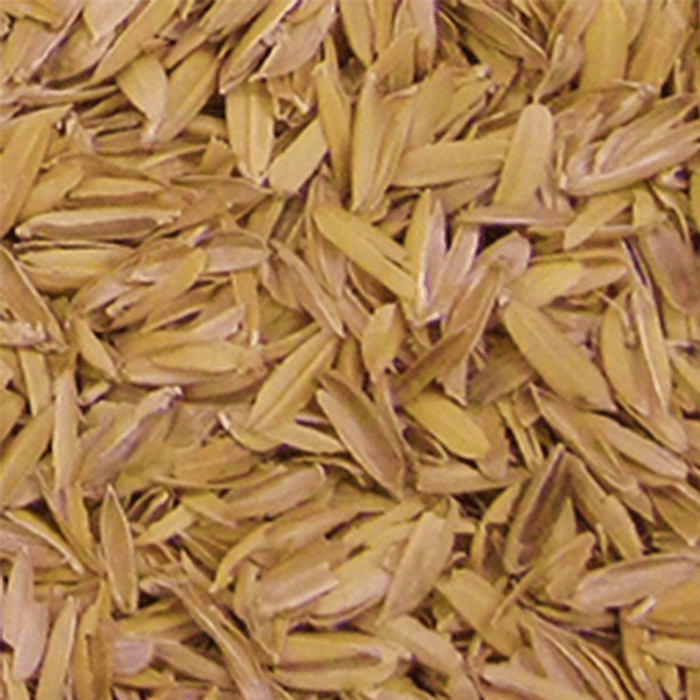
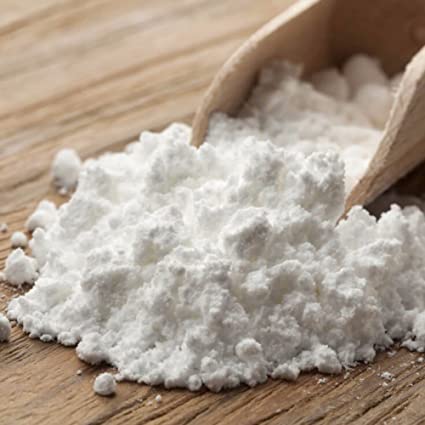
The right adjuncts can add mouthfeel which low alc beers can sometimes lack, and unmalted grains can reduce the sweet 'worty' flavours often associated with low alcohol beers too.

Hops for low alcohol brewing
We work with the best hop suppliers out there. World class hops will help elevate your low alc beer.
Hop creep can be an issue in low alcohol brewing, so consider using advanced hop products like CGX® Cryogenic Lupulin Pellets, or flowables like BarthHaas® Full Flavour Spectrum
With top quality T90 pellets, it's recommended to keep these additions hot side.
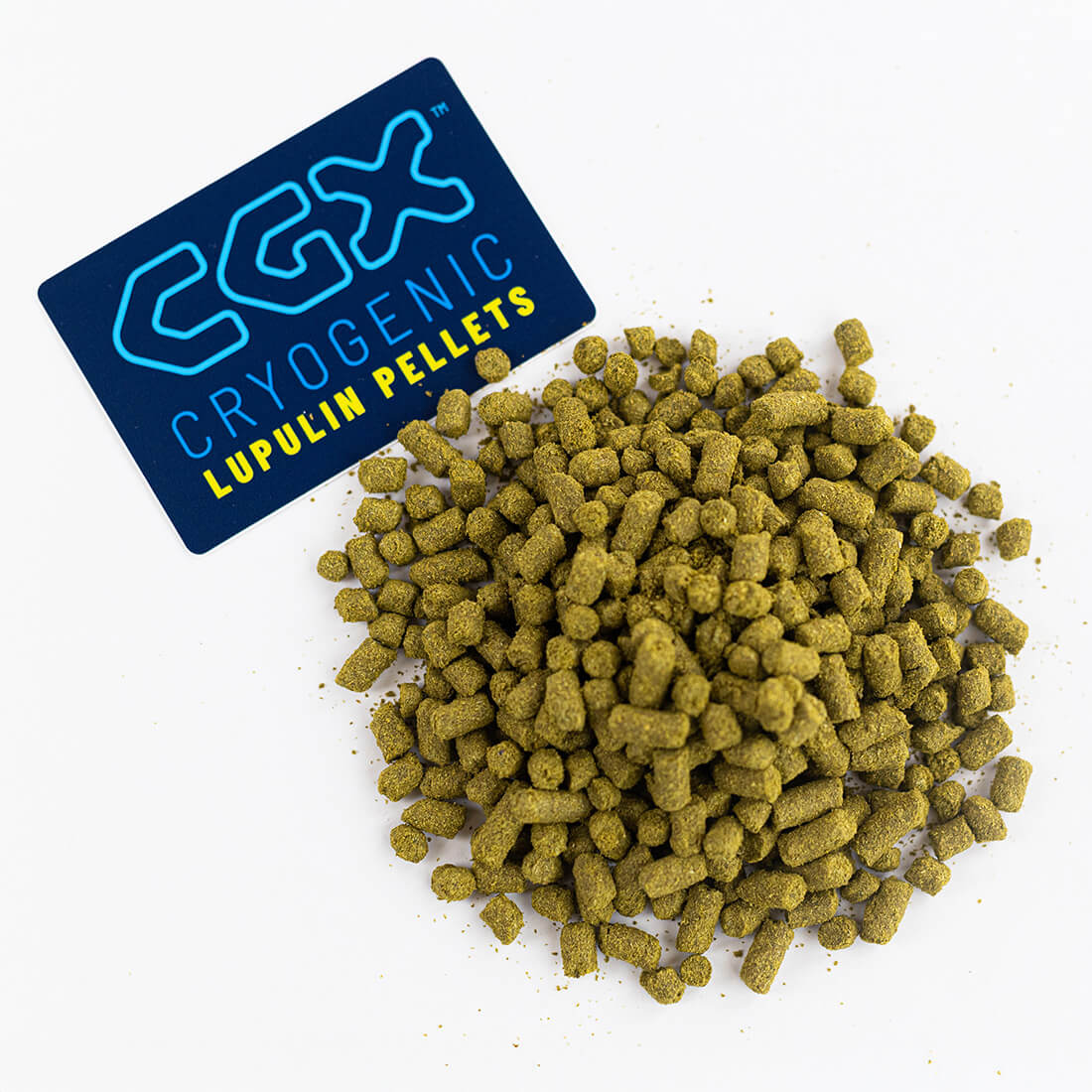
CGX® Cryogenic Lupulin Pellets
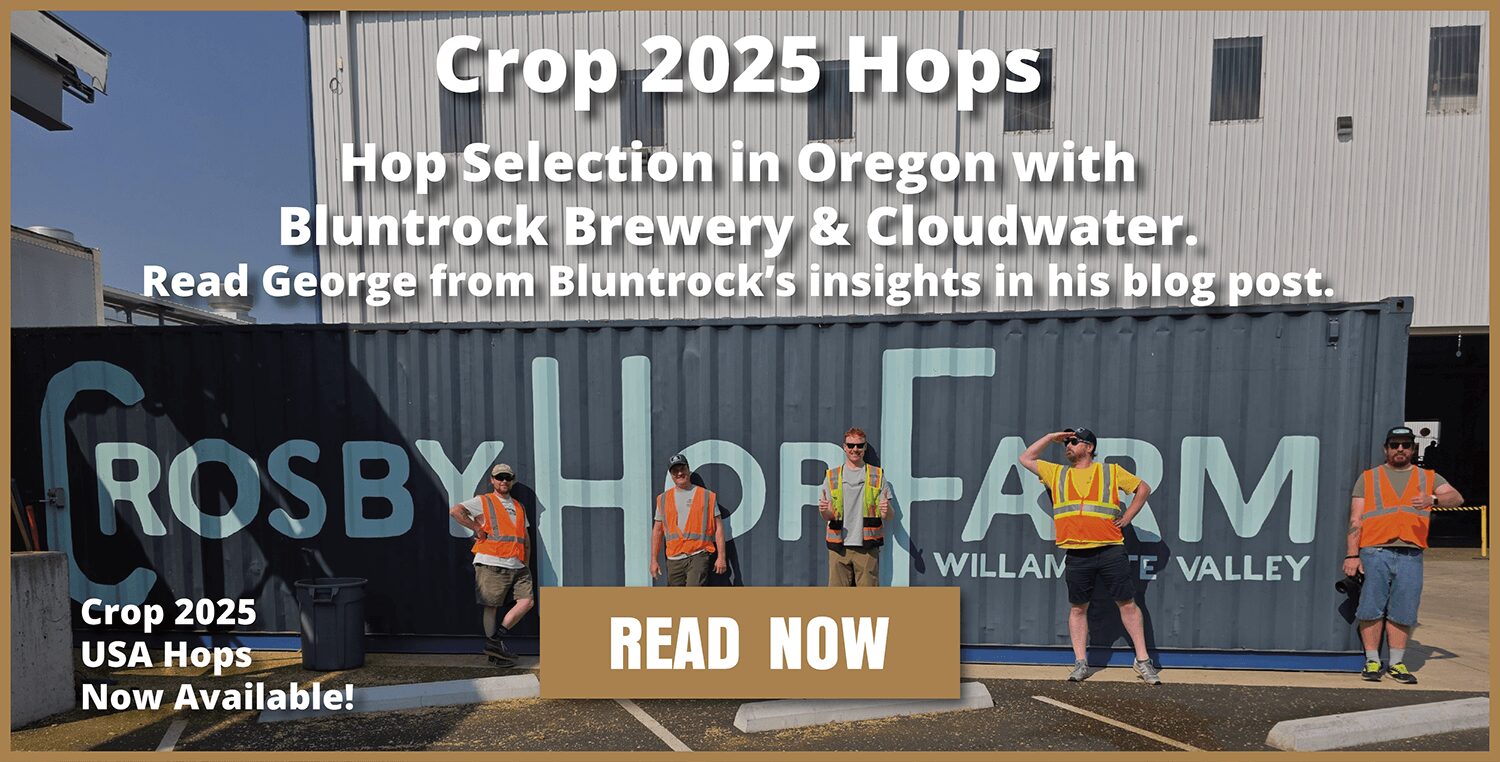
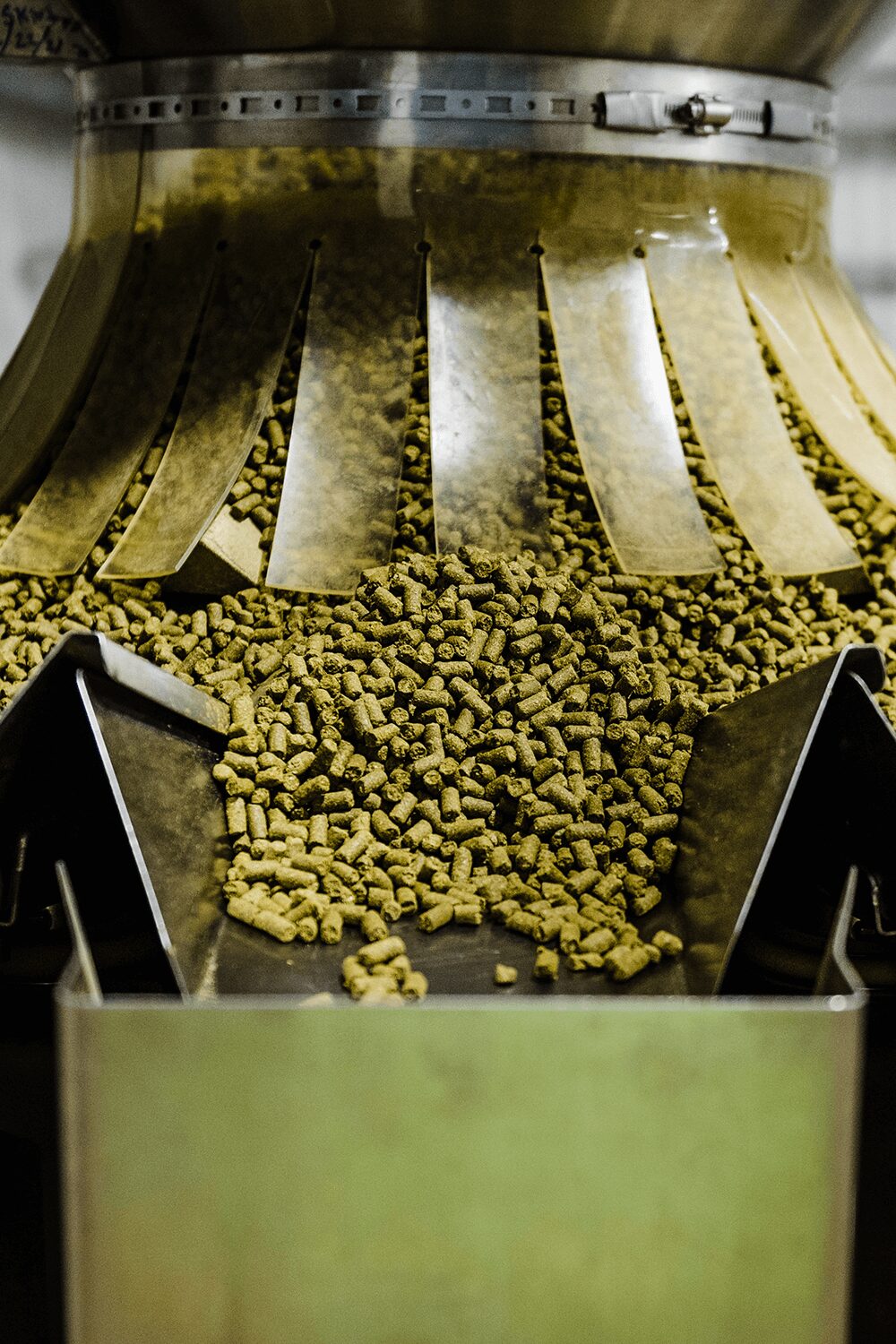
Crosby Hops™ CGX® use patented cryogenic tech to gently separate lupulin from whole-hop cones.
The result is the most minimally-processed hop pellet in the world, delivering up to twice the potency of T-90 pellets with reduced vegetal matter, which minimises your losses to increase yield and decreases hop creep - greatly increasing beer stability - a crucial asset to aid your low alcohol brewing.
CGX® Varieties
CGX® is available in the following varieties:
Crosby Hops™
Amarillo® (VGXP01 cv) CGX® on our GB Shop & on our ROI & NI Shop
Cascade CGX® on our GB Shop
Centennial CGX® on our GB Shop
El Dorado® CGX® on our GB Shop & on our ROI & NI Shop
Idaho 7® CGX® on our GB Shop
Indie Hops
Strata® CGX® on our GB Shop & on our ROI & NI Shop
Hop Revolution™
Nelson Sauvin™ CGX® on our GB Shop
BarthHaas® Full Flavour Spectrum
BarthHaas® SPECTRUM is a fully hop-derived, flowable liquid product that delivers true dry-hop flavour and aroma without the complications of pellets. Packed with essential hop oils, thiols, and flavour-active compounds, it provides the impact of dry hopping while dispersing instantly into beer - no carriers, no solvents, no specialist dosing gear required.
For low-alcohol brewers, SPECTRUM offers two major advantages:
Consistent flavour intensity even in very light bases, and reduced hop-creep risk, since the plant enzymes responsible for unintended re-fermentation are removed during production. This helps protect ABV control, and maintain body.
With no vegetal matter and no haze-loading leaf material, SPECTRUM delivers clean, saturated hop character hot or cold side -ideal for stable, hop-forward low-alcohol beers.
BarthHaas® Full Flavour Spectrum Varieties
available in the following varieties:
SPECTRUM Citra® on our GB Shop & on our ROI & NI Shop
SPECTRUM Mosaic® on our GB shop & on our ROI & NI shop
SPECTRUM Galaxy® on our GB shop & on our ROI & NI shop
SPECTRUM Bru-1™ on our GB shop
SPECTRUM Krush® on our GB shop
SPECTRUM Enigma® on our GB shop
Low Alcohol Brewing Aids
Low alcohol beers can suffer from issues with lack of body, and sometimes poor head retention. Consider the following brewing aids to combat these common issues.
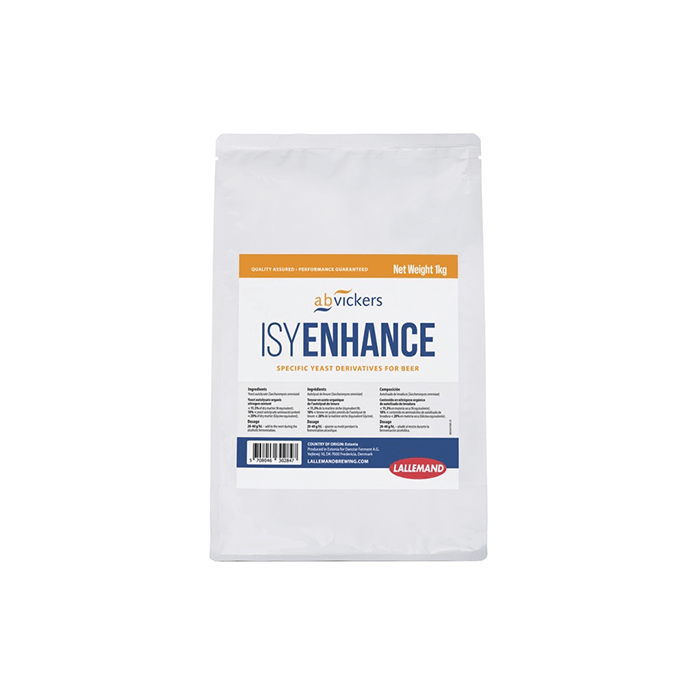

Brewers on AB Vickers ISY Enhance:
"We used ISY to help enhance the body of the beer and being a Hazy pale it is needed to help balance and support the flavours as well as giving the perception of a big "mouthfeel""
- Jimmy Allan, Anarchy Brew Co.
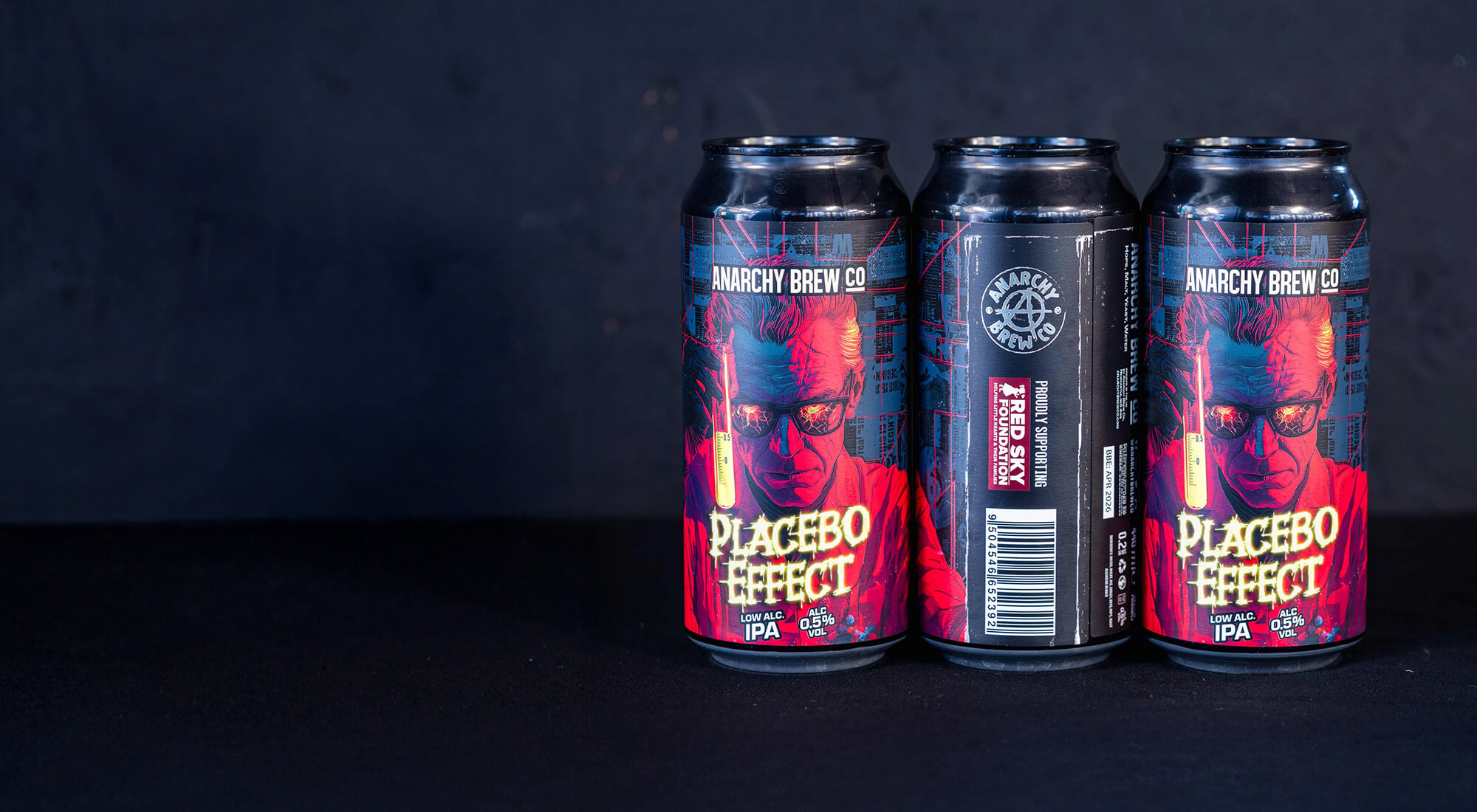
Anarchy Brew Co. 'Placebo Effect' 0.5% Low Alc IPA is brewed with Lallemand LalBrew® LoNa™ & AB Vickers ISY Enhance™
Antioxidants for low alc brewing
Low alcohol beers lack ethanol's natural preservative effect, leaving them more open to oxidative reactions. This, along with high temp mashing, limited fermentations, or pasteurisation and filtration can increase the risk of oxygen being present in the beer. The lighter body and often more subtle flavour of a low alcohol beer also makes oxidation much more noticeable. Consider an antioxidant from AB Vickers to keep your low alc brew in top condition.


Low Alcohol Beer Dispense
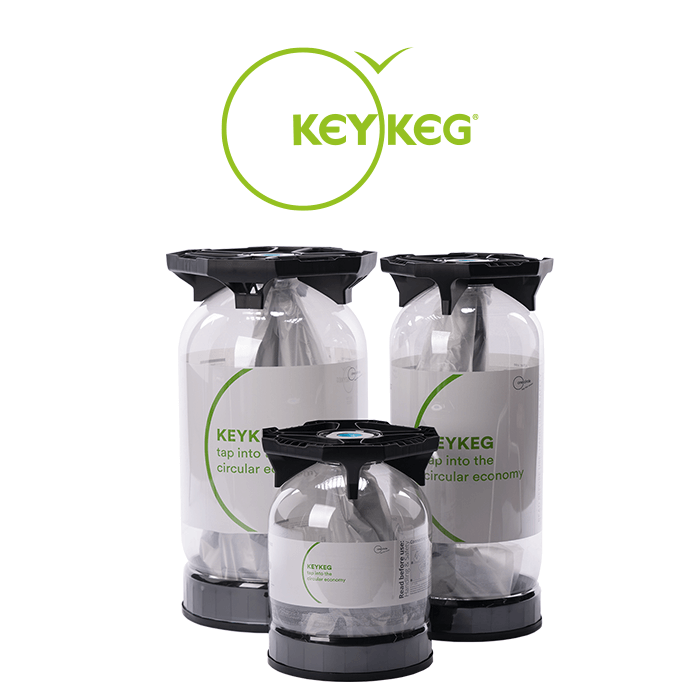
Dispensing low alcohol beer on draught presents its own challenges, where open systems, variable hygiene and long beer lines can all increase risk of contamination. Distribute beers through accounts you trust with good cellar hygiene in place. Consider one way kegs like KeyKegs, as these can be configured on a short run or even sited under bar with their own dedicated dispense system and coupler.
KeyKegs
Available in 30L, 20L & 10L sizes (30L & 20L in ROI & NI)
Industry standard in lightweight, one-way kegs.
Bag-in-Keg™ and Double-Wall™ Technology where a laminated inner bag is suspended within a high-pressure PET keg.
30L KeyKegs sold in packs of 12 kegs - 36 30L KeyKegs fit on a single pallet.
20L KeyKegs sold in packs of 20 kegs - 60 20L KeyKegs fit on a single pallet.
10L KeyKegs sold in packs of 20 kegs - 120 10L KeyKegs fit on a single pallet.