
With our Crop Year 2025 New Zealand hops from Hop Revolution™ flying off our spot list, and with countdown well and truly on for this year’s harvest in a few months, we wanted to take a look back to March 2025, and the Southern Hemisphere hop harvest in Tapawera, New Zealand . We caught up with Dr. Susan Wheeler, GM of Science & Innovation at Hop Revolution™, to get her expert take on last year’s harvest and key points on what we can expect from this year’s harvest. Dive in for valuable insights into New Zealand hop growing and Dr. Wheeler’s perspective on the latest trends shaping the industry.
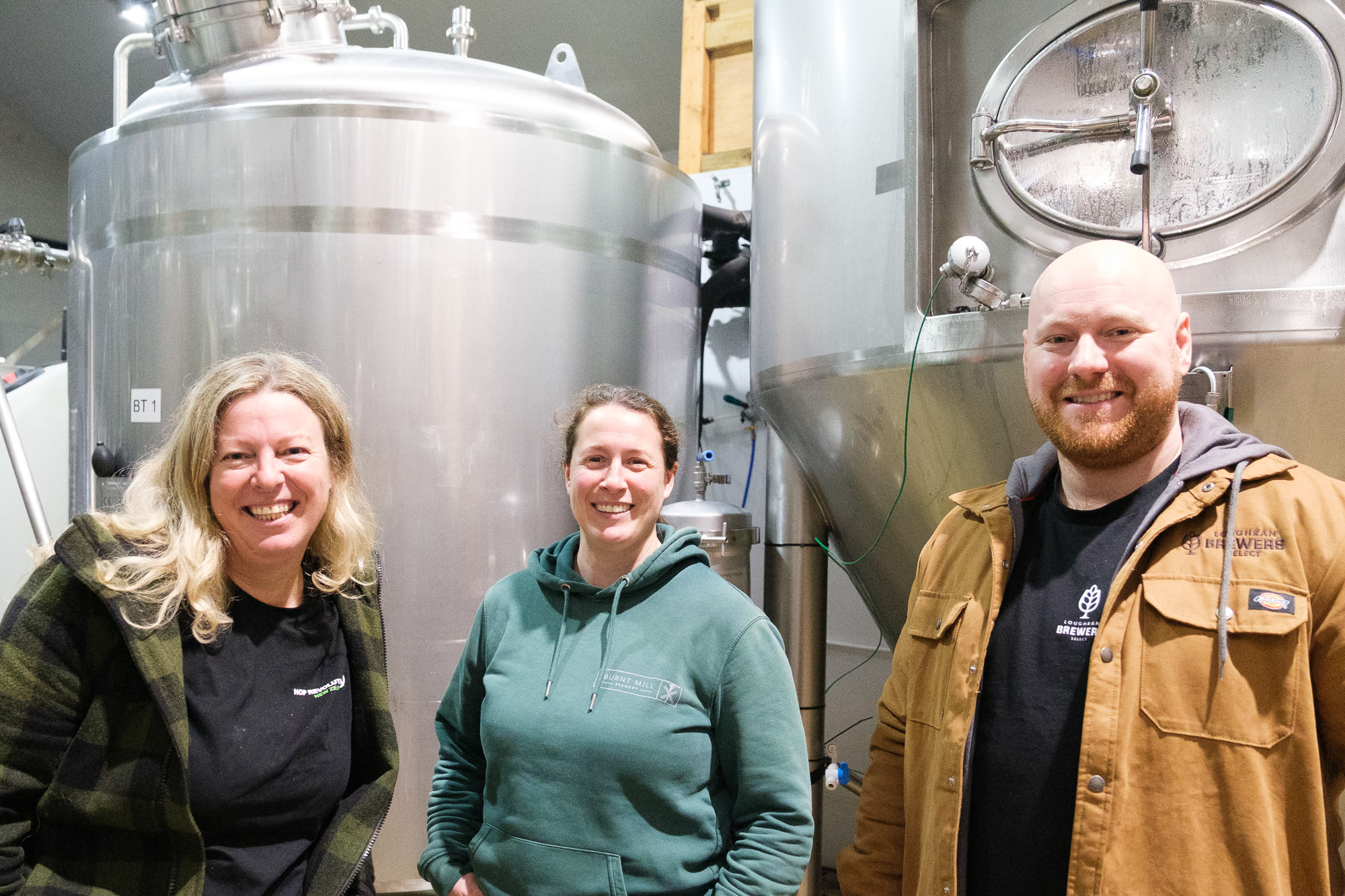 The gang meet up at Burnt Mill Brewery. L-R: Dr Susan Wheeler - GM of Science & Innovation at Hop Revolution, Sophie de Ronde - Head Brewer at Burnt Mill, & Dan Rybinski - Midlands UK Sales Manager at Loughran Brewers Select.
Hop Revolution New Zealand Hops
Hop Revolution is into its 7th harvest this year, and the years have just flown by! In that time, we’ve seen a lot of changes in our industry, grown – and smelled – a lot of beautiful hops, made loads of great friends, and enjoyed several pints of awesome beer along the way (several of which might have featured a few of our hops too!). We’ve worked with fun guys like Loughran Brewers Select to bring the best New Zealand hops first to Irish brewers and then to UK brewers, where they’ve found firm fans in killer beers from Whiplash, Galway Bay, Tempest, Siren, Bluntrock, Vibrant Forest, Track, Wylam, Northern Monk, and DEYA – to name but a few! Sophie at Burnt Mill is such a huge fan of our hops that she’s created a special IPA – Tapawera – which had it fourth annual release in April last year, as a celebration of the New Zealand hop harvest. It’s great to see breweries like Burnt Mill fall head over heels for our hops. We often say that New Zealand hops tend to play an unsung hero role in the hop world. Because they deliver punchy flavours, aromas and oils, they can be more impactful gramme for gramme than superstar ‘headline’ varieties and deliver more bang for the buck when you’re using them with finesse.
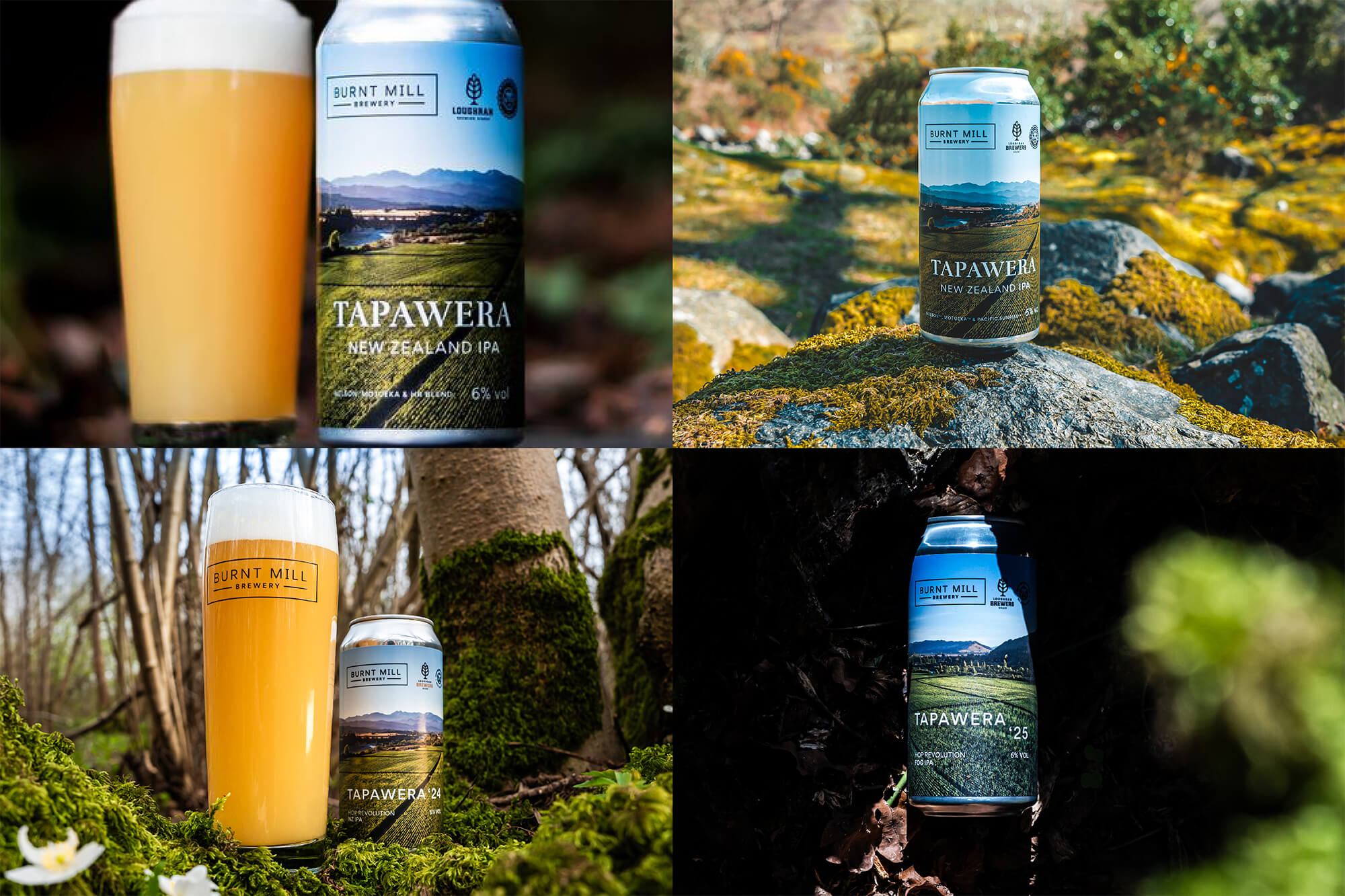 Four yeas of Burnt Mill 'Tapawera' - an New Zealand Hopped Pale Ale with Hop Revolution hops celebrating the NZ Hop Harvest.
Challenging The New Zealand Hop Farm Status Quo
Our two hop farms, Tapawera and Wairua, began development in 2017 on bare farmland on New Zealand’s South Island, making the most of our incredible location in the valley by the stunning Motueka River. From the very beginning, we aimed to do things differently at Hop Revolution™ and challenge the traditional approach to hop growing in New Zealand. Anyone who knows me understands that I’m not your typical ‘business’ or ‘corporate’ type. I’d much rather be hanging out in my Converse, jeans, and a leather jacket, enjoying a beer in a rock bar – and that’s the kind of different energy we’ve wanted to bring to the New Zealand hop scene. Hop Revolution’s ethos was inspired by the legendary Kiwi, Terry McCashin. Back in the 1980s, Terry took on the two dominant breweries controlling beer production and distribution in New Zealand, creating his own craft brewery, ‘Mac’s.’ Terry fought for change, helping to shape the beer and hop industry in ways that continue to benefit us today.
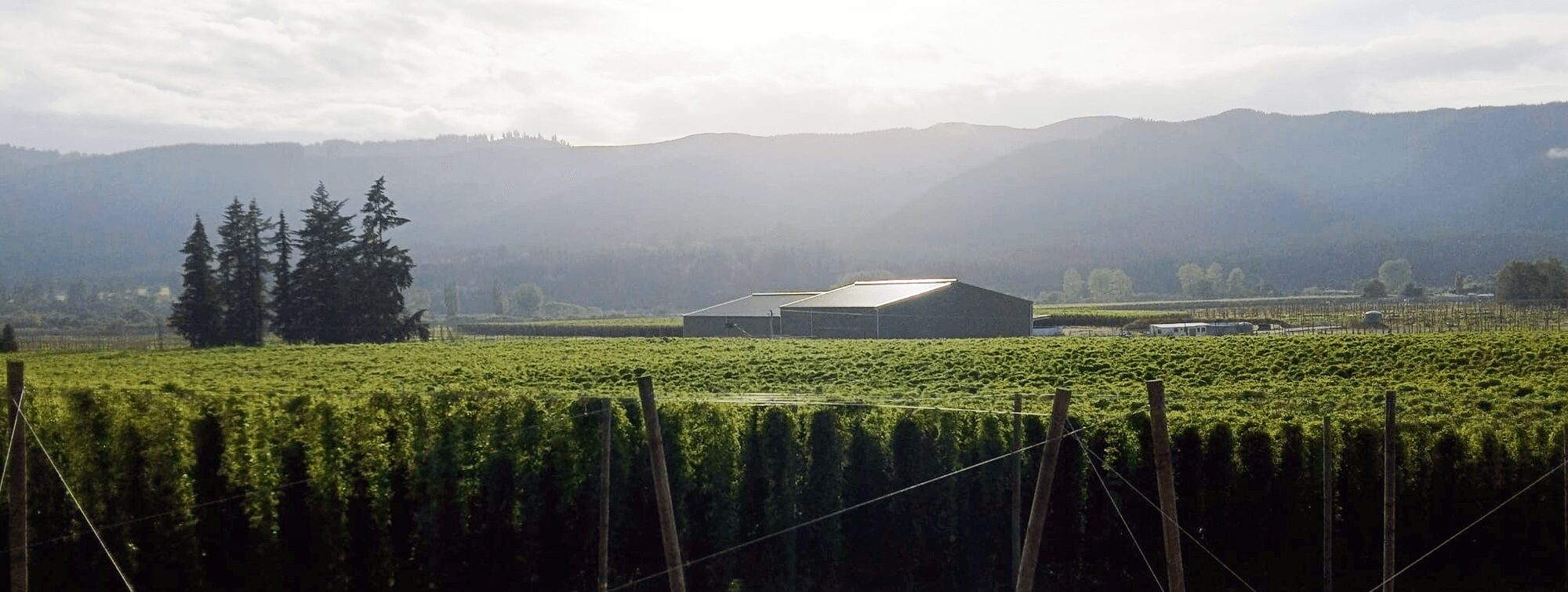
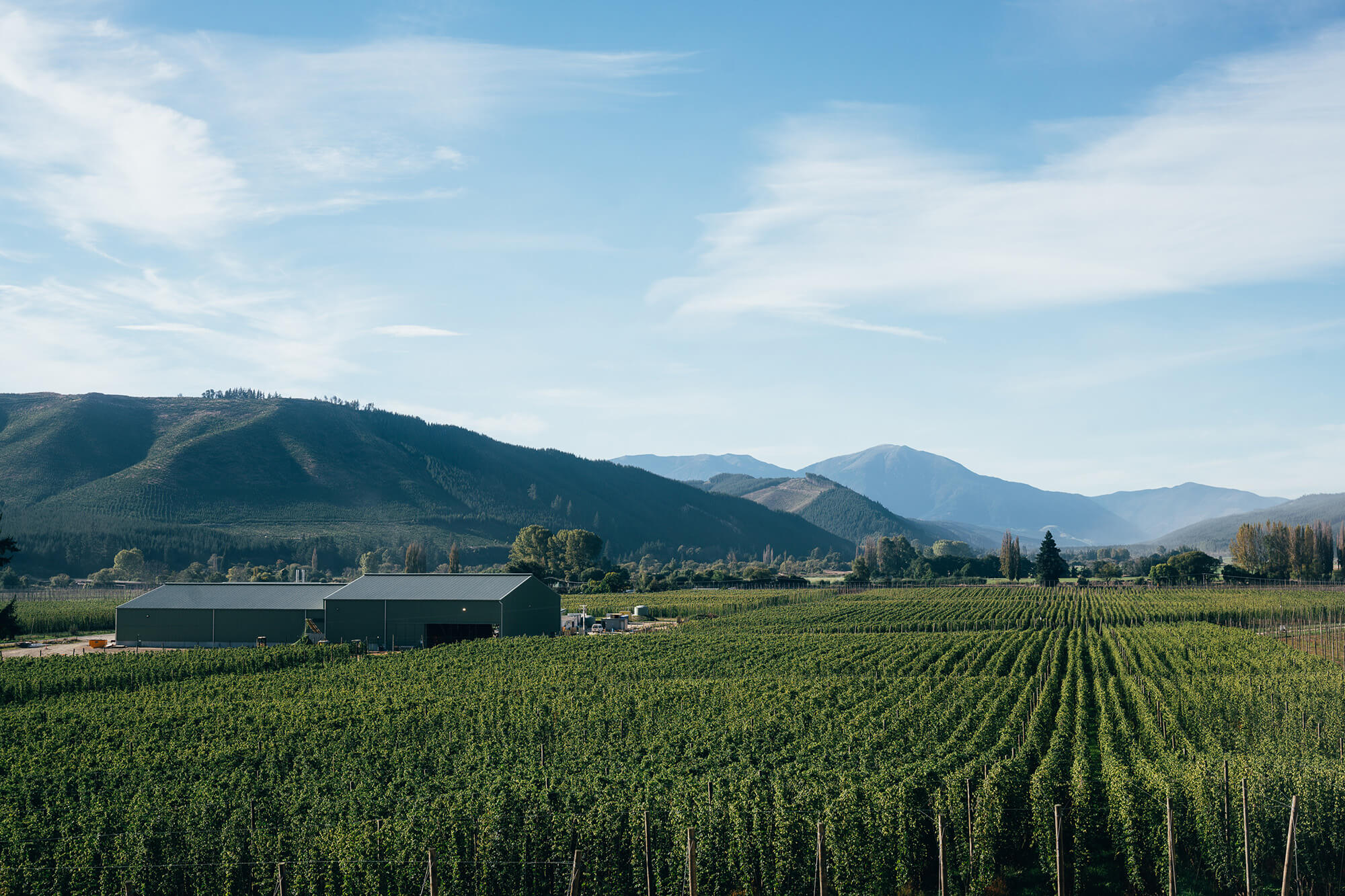 Hop Revolution's Wairua Farm, with the Motueka River running alongside.
“We often say that New Zealand hops tend to play an unsung hero role in the hop world. Because they deliver punchy flavours, aromas and oils, they can be more impactful gramme for gramme than superstar ‘headline’ varieties and deliver more bang for the buck when you’re using them with finesse.”
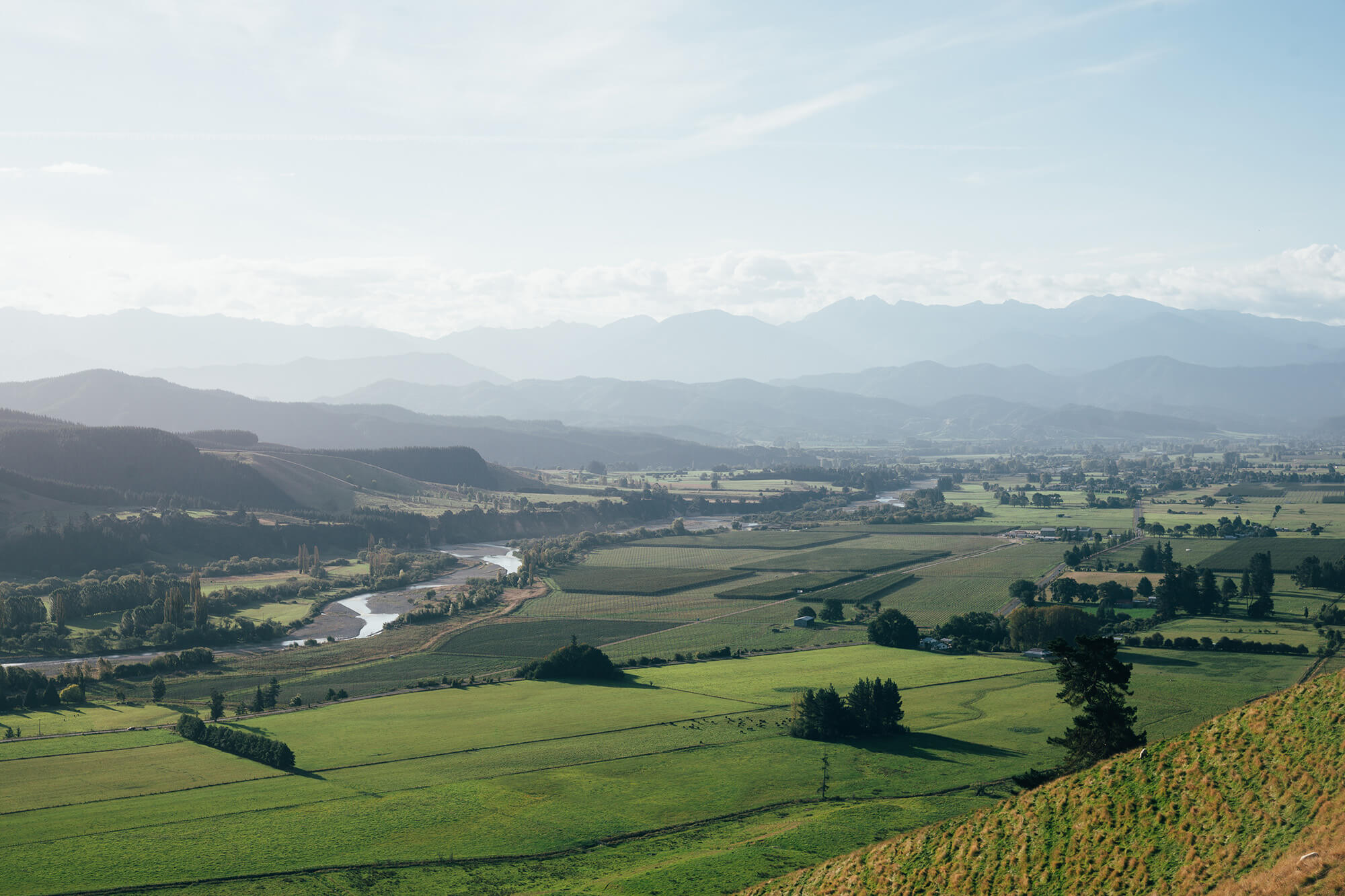 Hop Revolution Tapawera Farm in the valley by the Motueka River.
Hop Growing on New Zealand’s South Island
Hop growers here in New Zealand have traditionally shied away from growing hops in stony river beds. But from my background in viticulture research, I’d seen how Marlborough Sauvignon Blanc wine growers had successfully used riverbeds and the nutrient-rich silt soil deposited by freshwater to produce healthy grapes which brought distinct flavours to exceptional wines. Inspired by their approach – and with a bit of Terry’s boldness, even though we were nervous – we decided to establish hop farms along the beautiful Motueka River, taking advantage of the diverse, fertile soil nourished by the river, much like Oregon’s rich soils shaped by historical flooding. Following Terry’s fearless example again, we also became the first growers in New Zealand to commercially plant Pacific Sunrise™ hops.
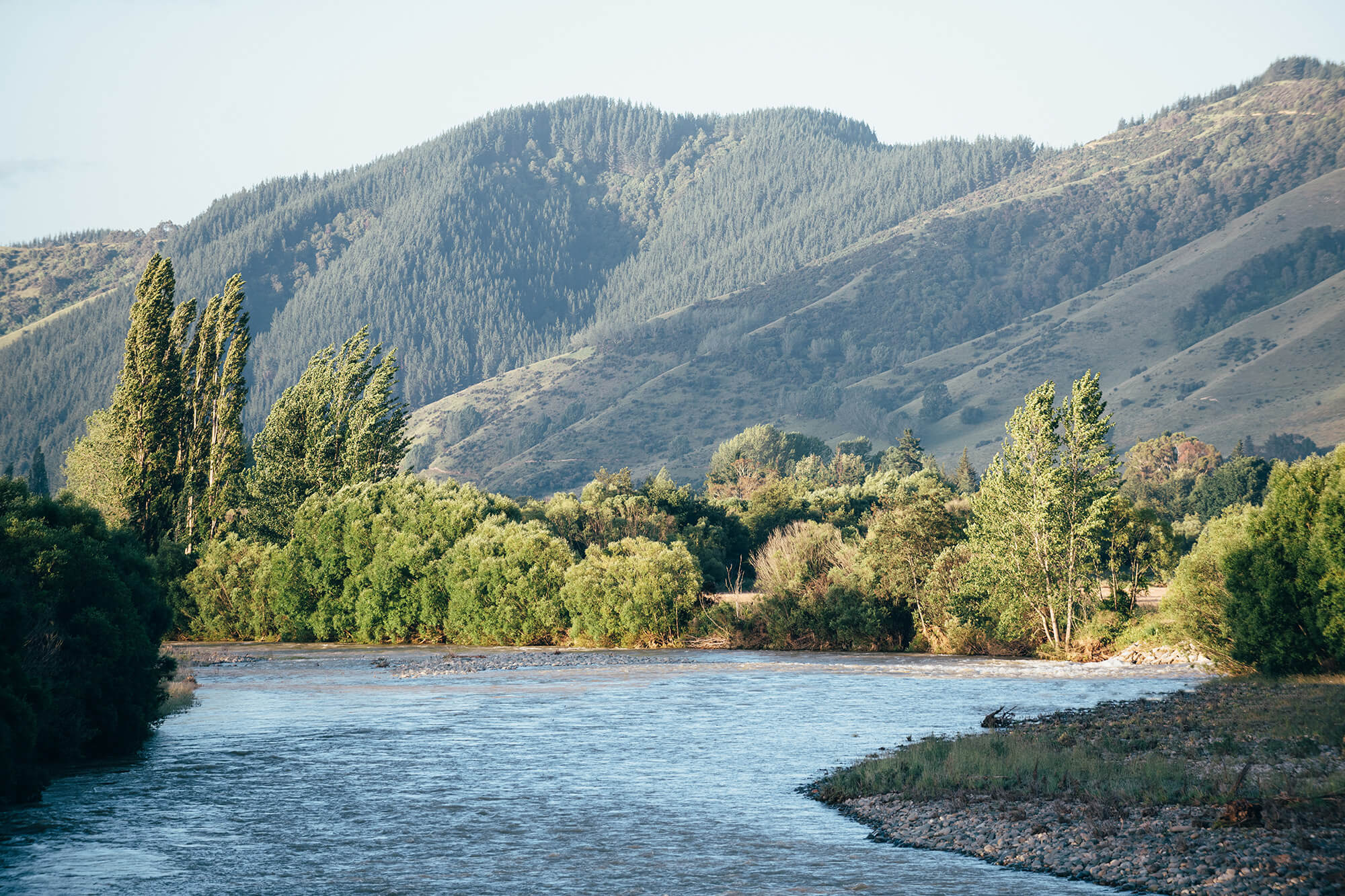 The Motueka River - lifeblood for the hops, & what makes Hop Revolution's hop farms unique with their stony riverbed.
"Hop Revolution™ Nelson Sauvin™ gives me a white wine character that you just don't get in say in American hop. It's quite distinctive. You don't need to throw loads out either. You can you can sprinkle it in, and get a lot back from it."
Iconic Nelson Sauvin Hops
Because our lighter riverbed soil dries out earlier in spring compared to the denser clay found in traditional New Zealand hop-growing regions, our hops emerge faster and ripen earlier in the season. This gives us the advantage of harvesting earlier than most other hop growers. The results have been fantastic, as we’ve combined precise plant science with hands-on sensory analysis to harvest Nelson Sauvin™ at the perfect moment in its picking window. Thanks to our soil and our early harvest, Hop Revolution™ Nelson Sauvin™ exhibits hints of lemon, a touch of dank, vibrant tropical (think passionfruit) and, of course, that signature white wine grape essence which makes Nelson Sauvin™ legendary. We’re very proud our Nelson, and like to think that if you already love NZ hops and Nelson Sauvin™, brewing with Hop Revolution™ Nelson Sauvin™ will make you fall in love all over again!
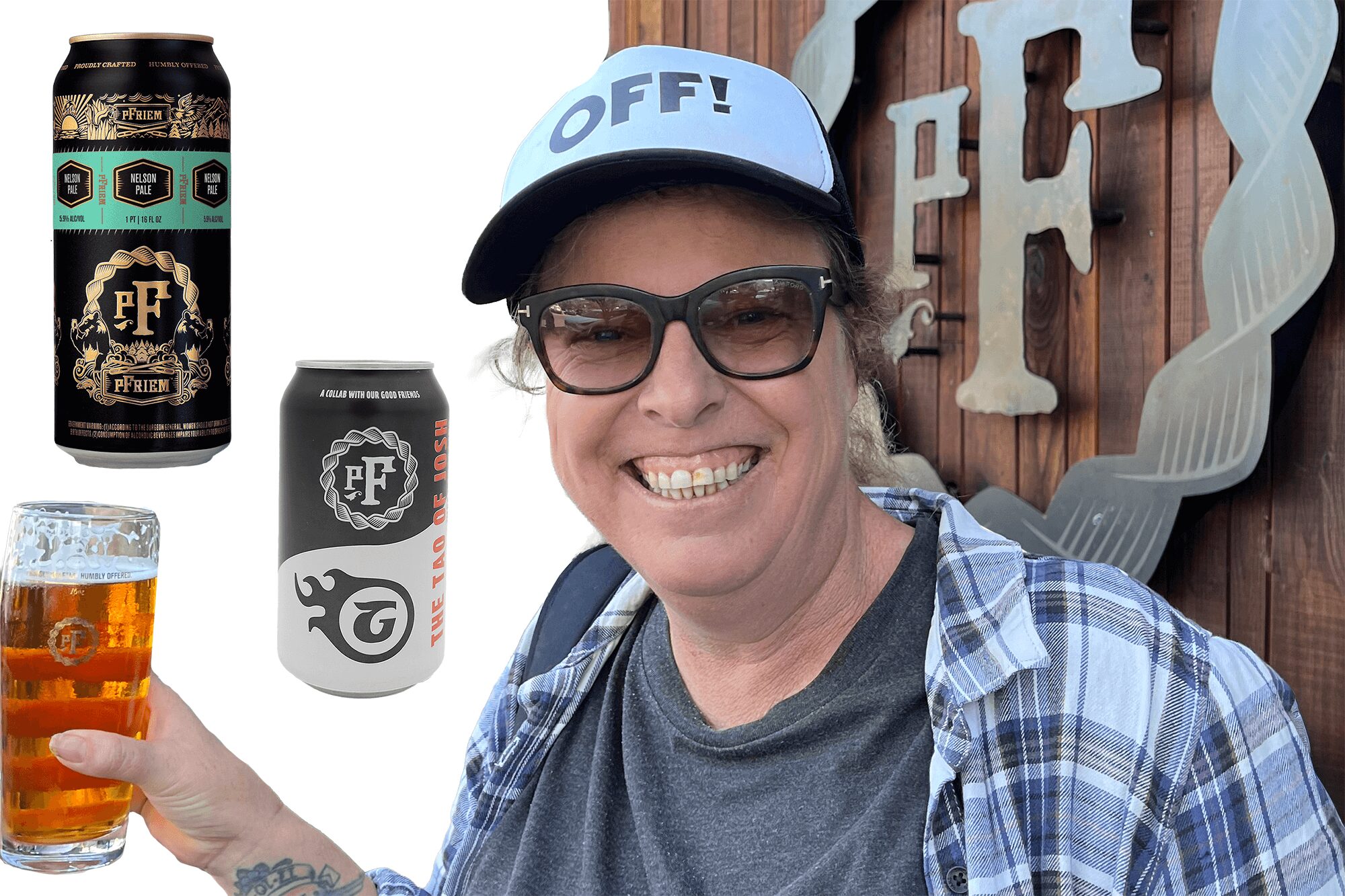 Susan at her happiest, with a pint at pFreim Family Brewery at Hood River, Oregon. pFreim's core beer 'Nelson Pale' uses Hop Revolution Nelson Sauvin™, as does the pFreim x Georgetown Collab 'The Tao of Josh West Coast IPA'.
“Because our lighter riverbed soil dries out earlier in spring compared to the denser clay found in traditional New Zealand hop-growing regions, our hops emerge faster and ripen earlier in the season. This gives us the advantage of harvesting earlier than most other hop growers”
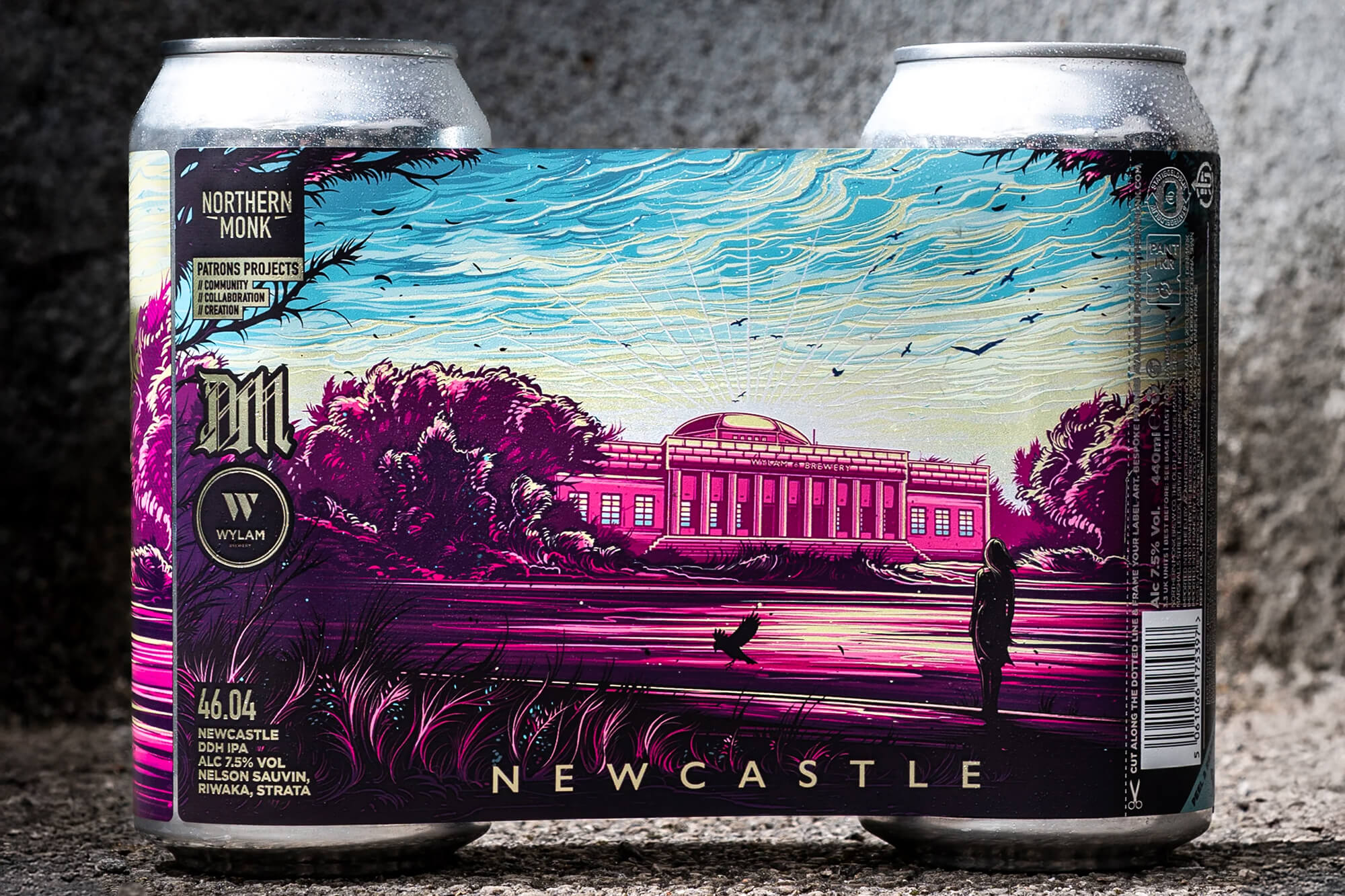 Northern Monk x Wylam x Dan Mumford Patrons Project 46.04 DDH IPA featuring Hop Revolution™ Nelson Sauvin™ & Riwaka™, & Indie Hops Strata®.
"At the end of the day you just want consistency [in terms of hop quality]... and Hop Revolution™ is a game-changer."
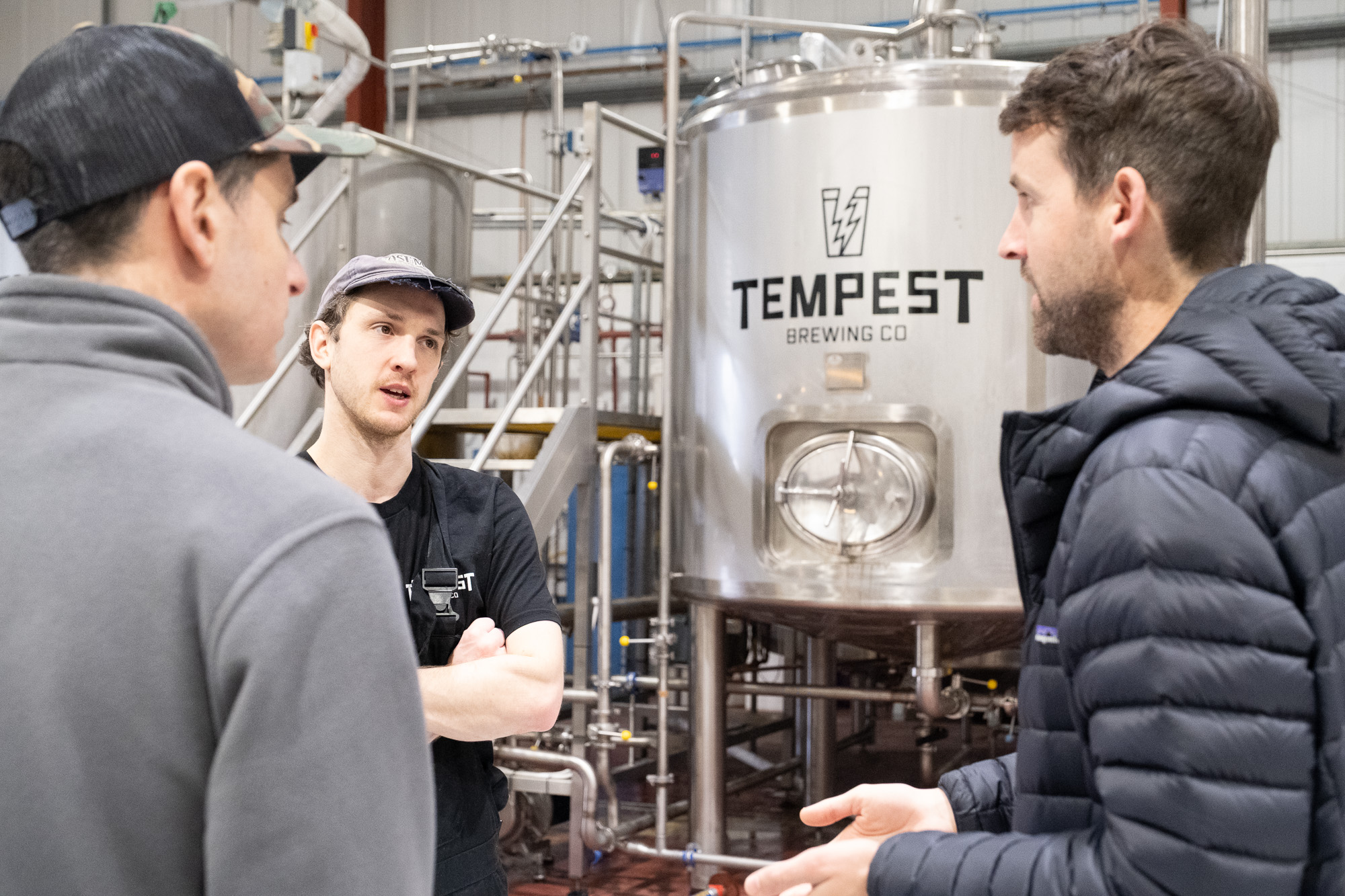 Tempest Brewing Co's Doug Rowe & Gav Meiklejohn with Fergal Carroll of Loughran Brewers Select. Tempest are big fans of Hop Revolution™ Nelson Sauvin™ & Motueka™
Motueka 2025 Hops
I’m pleased to report that harvest conditions for 2025 were well suited to our unique ‘Hop Revolution’ harvest window. As always, we kicked off harvest in late February last year with Motueka™, which is always a great variety to start harvest with as it’s such a beautiful ‘yielder’ – music to a hop grower’s ears! You know hop harvest has truly started when Motueka’s super fresh aroma comes in through our shed & it’s kind of perfect – like your ‘good child’ with the perfect school reports each year! It’s no wonder that Gaz and Doug at Tempest Brewing Co. love Motueka’s pairing with Nelson Sauvin™ for their flagship beer ‘Long White Cloud’! We were a little nervous starting harvest this year as we’d had a few dull days which traditionally slows the progression of the plants, and we wanted those oils and aromas to come up to their sweet spot levels. Of course, being the perfect kid, Motueka™ came through for us with some great yields. It’s a lemon-lime citrus forward hop, with good alpha acids, which this year has been at the 9% which is bang on what we were after, and we were finished harvesting by the first week of March.
“You know hop harvest has truly started when Motueka’s super fresh aroma comes in through our shed!”

Pick Windows for Nelson Sauvin 2025
For the rest of the 2025 harvest, our luck – or what we like to think of as our careful planning – continued to hold up. We’d never experienced a run like this before, with the weather mostly cooperating, with the exception of one day. We were hit with a cold snap, and this has a tendency to speed up the ripening of the hops in the second half of their flowering. But as we harvest our Nelson Sauvin™ slightly earlier than most New Zealand hop farmers owing to our unique terroir, this actually played nicely into our hands. When hops like Nelson Sauvin™ stay in the field too long – past their ideal ripeness – they begin to yellow and lose their best quality and aroma. I’m pleased our earlier pick window allowed us to get our Nelson Sauvin™ in well before this.
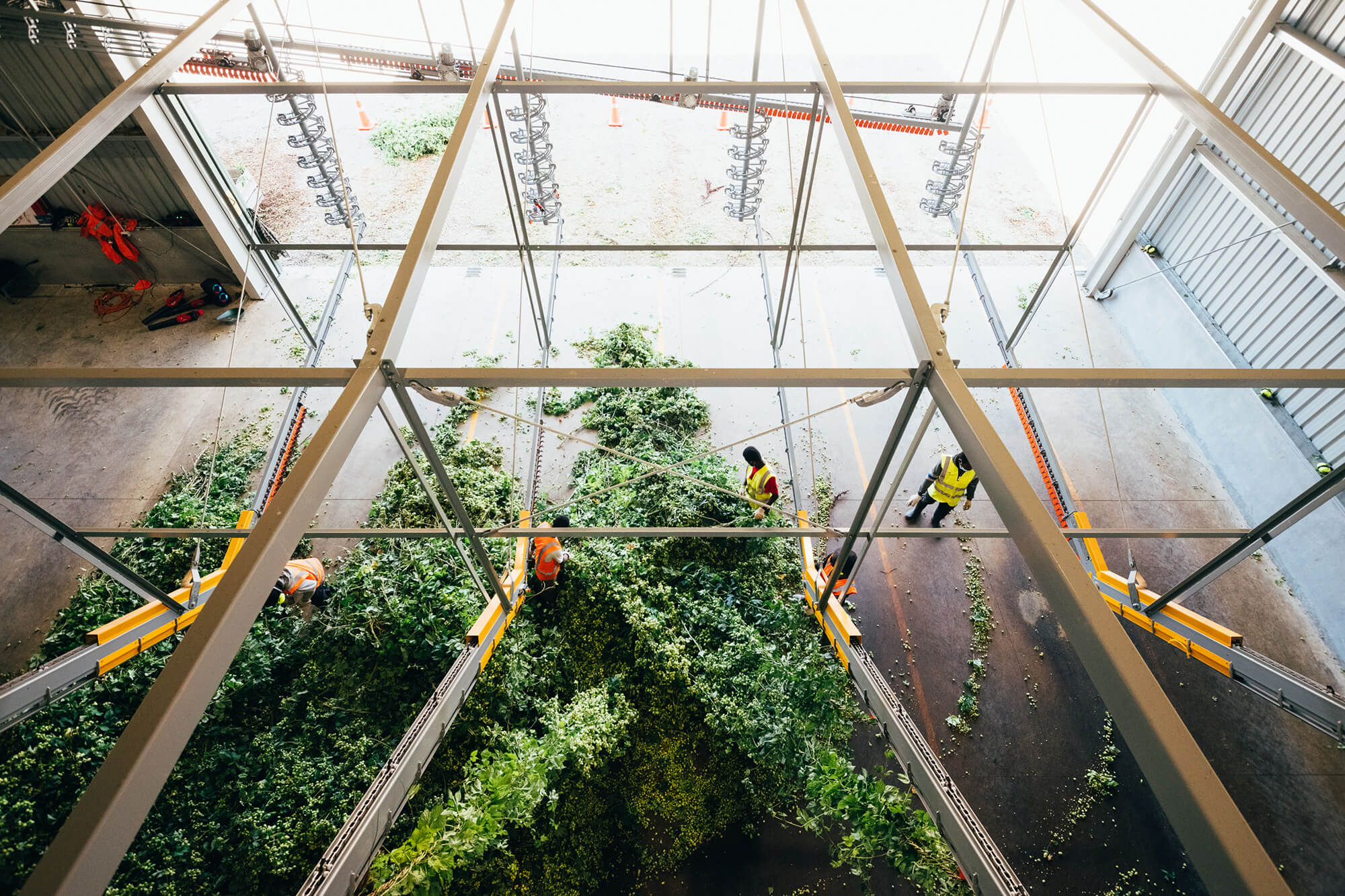
Hop Drying & Baling Process
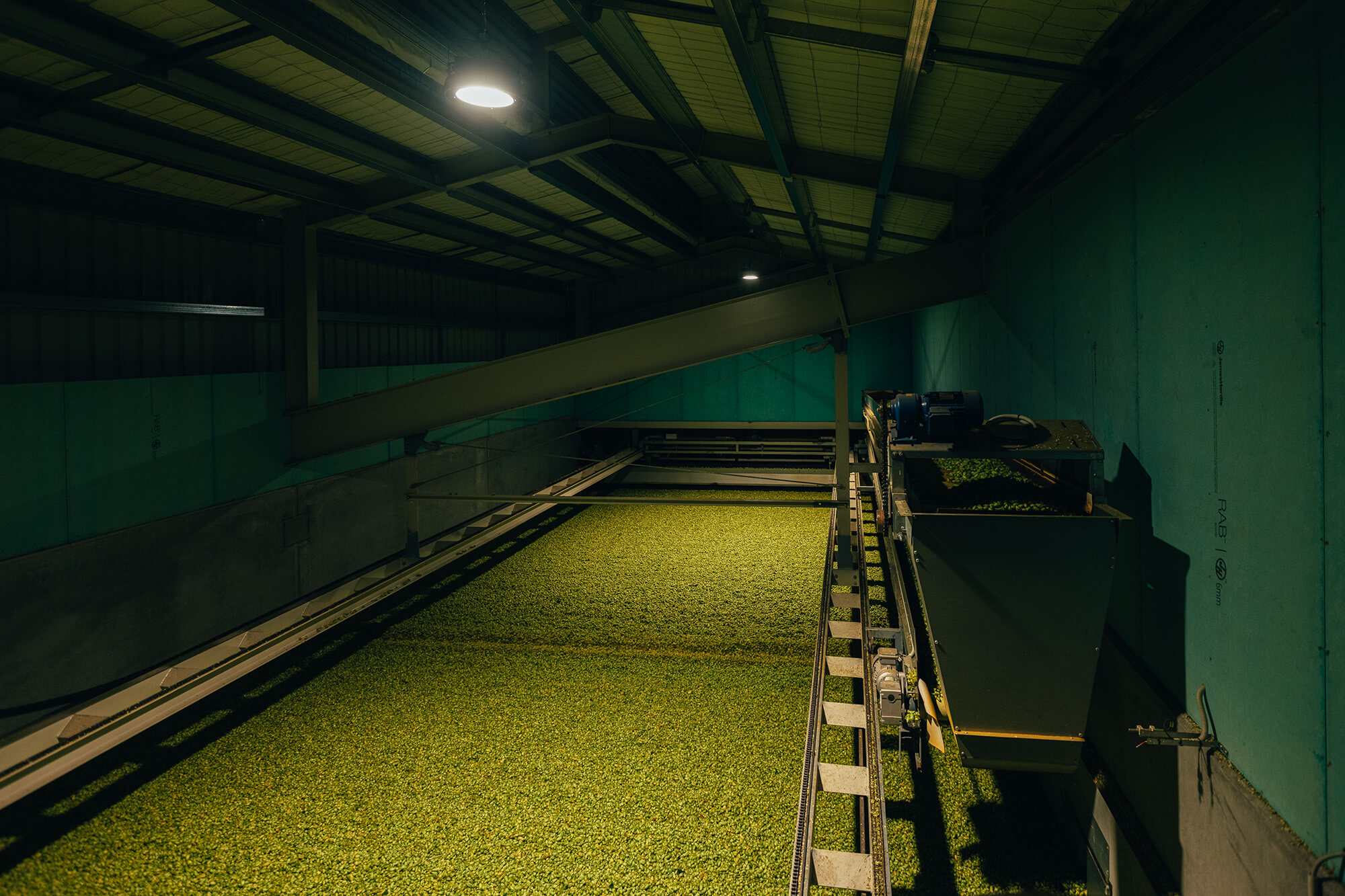
The fortuitous weather conditions during 2025 harvest – and our state of the art picking and drying machines – delivered us superb results when it came to baling last year’s harvest too. Our Wolf drying system perfectly controls moisture levels during the hop drying process and can even allow us to reintroduce moisture if it’s needed. Hops travel through louvred floors to three different levels to guarantee even moisture levels. For 2025, we smashed our targets with our hops once they’d been baled. Anything in the region of 8-12% moisture in a hop bale is a good level, and the vast majority of ours sat in a perfect 9.8-10.2% sweet spot. What’s more, we had NO bales returned. The sign of a great harvest.
Harvest Changes for Crop 2025 & Beyond
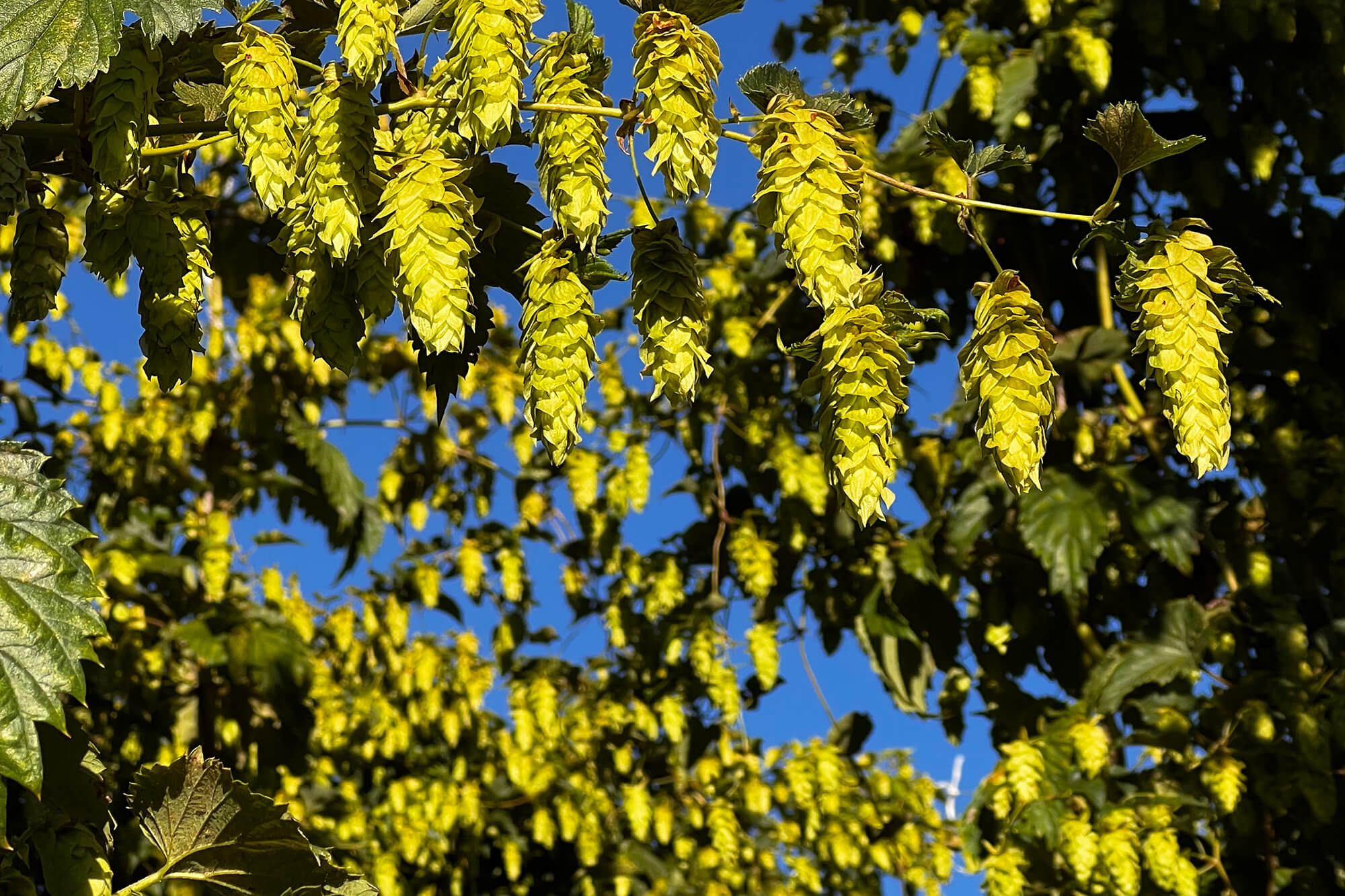
Crop 2025 wasn’t without its challenges though. As with other hop growers around the world, we’ve adapted to changes and evolutions in the brewing industry globally as we’ve seen contract demand alter from our brewers. Over the last 8 years we’ve learnt a lot about the microclimates of our Tapawera and Wairua farms. Although we did extensive soil testing and infrared soil mapping prior to developing both farms, over the last 5 growing seasons we’ve seen some blocks consistently yield stronger than others. Each variety appears to favour slightly different soil and water conditions. We’ve assessed across both farms, and with fewer hops strung globally in 2025 across the board, we decided 2025 was the year to replant and rebalance our varieties. As we’ve learnt more about newer varieties, such as Wai-iti, Kohatu, and Waimea, we’ve determined that we want to replant some blocks with more of these varieties that this year we are fully contracted on too. Hops are a slow turnaround, but it’s worth taking your time to get these things right, and we’re confident that we’re going to be reaching good levels once again over the coming years.
Sustainable Hop Farming in New Zealand
New Zealand doesn’t have many of the pests that are a threat to hops elsewhere, and as Global G.A.P. sustainable farmers we use predator mites to keep our main predator – the spider mite – under control. Mildews are not a problem either, so we have never used fungicides. We are grateful to our local environment for providing us with these ideal hop growing conditions, and we work in harmony with it to protect and nurture it. These natural benefits have allowed us to produce New Zealand’s first virus free high health hop plants, which have proven to yield and perform better, and this allows us to commit to growing traditionally agronomically ‘challenging’ varieties such as Riwaka. With the shifts in demand over the past few years, 2025 became the ideal moment to take advantage of the opportunity to remove the existing, agronomically more challenging Riwaka™ variant plants from our blocks. For 2025 we rested the field and replanted it over the winter with healthier Riwaka variants, which will allow us to produce more consistent volumes from this year’s harvest.
“As Global G.A.P. sustainable farmers we use predator mites to keep our main predator - the spider mite - under control. Mildews are not a problem either, so we have never used fungicides and these natural benefits have allowed us to produce New Zealand’s first virus free high health hop plants”
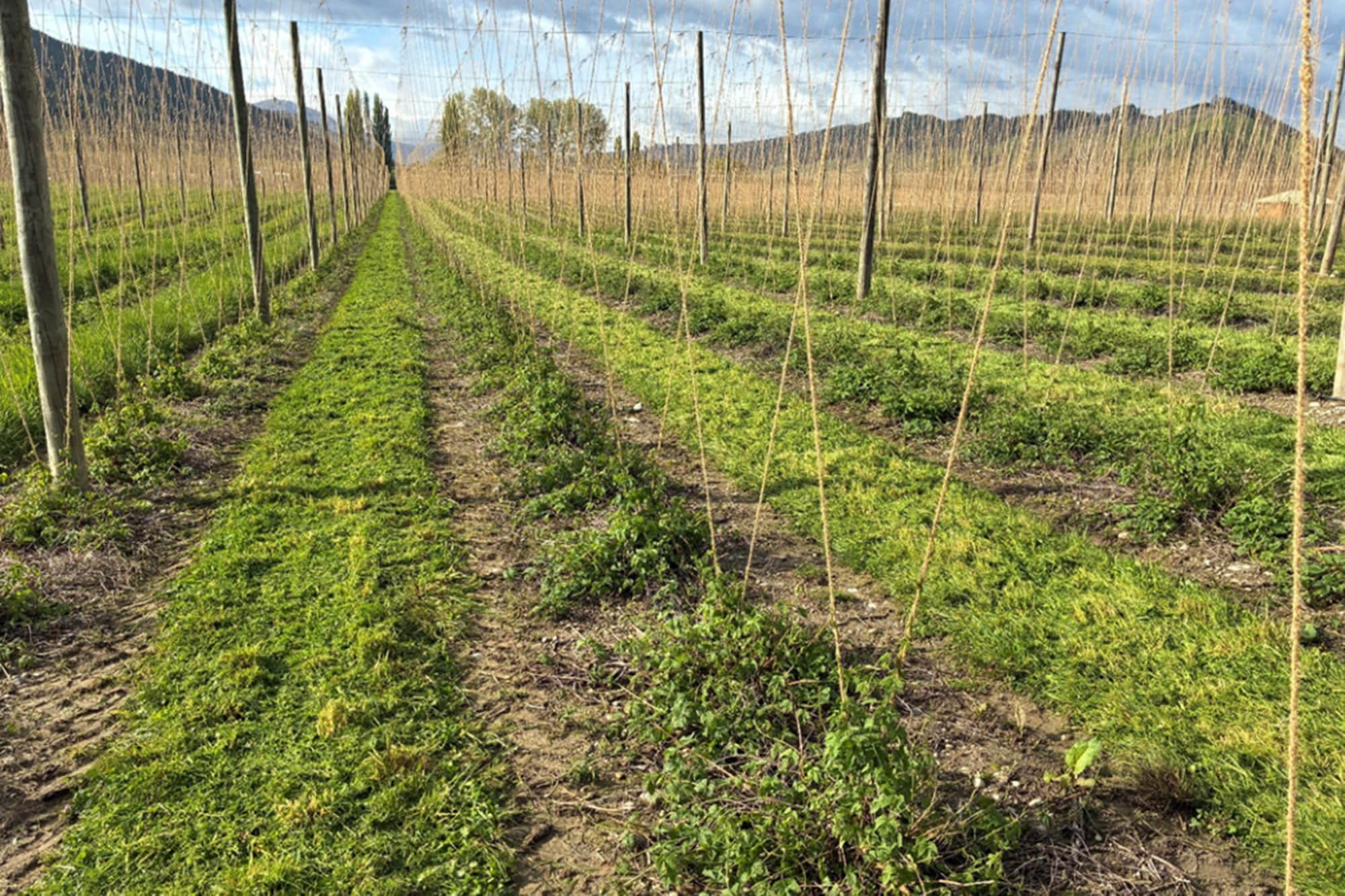 This photo taken by one of our farm hands in October last year shows the first training of our Pacific Sunrise in lot E40 PSU in our Wairua Hop Garden.
2026 New Zealand Hop Harvest
So, what of this year’s upcoming harvest? Well, winter 2025 was one of the wettest we’ve seen, but by spring (November for us down here) the vines responded strongly, surging upwards in preparation for this year’s harvest. By mid-November, every block had been trained at least once – no small task, as each pass must be carefully timed to manage growth, stagger varietal maturity, and ultimately maximise harvest accuracy.
Anyone who’s been lucky enough to attend a hop harvest – whether in Oregon or Yakima in the US, Germany, the UK, Australia, or here in New Zealand – will know just how critical harvest timing is to hop quality. Hitting the optimal picking window is essential for oil development, aroma expression, and overall consistency, yet it becomes increasingly complex when multiple varieties approach maturity at the same time, with finite labour and machinery available. Doing what you can in the early stages of growth and training to manage and stagger varietal maturity is crucial.
Despite the challenges posed by winter flooding, our team worked tirelessly to keep everything on track. Achieving the right balance of soil nutrition, plant health, and precise timing is key, and decisions made at this stage will directly influence hop quality at harvest. Encouragingly, things are shaping up well for the coming months, particularly with the continued rollout of our expanded virus-free replanting programme mentioned earlier.
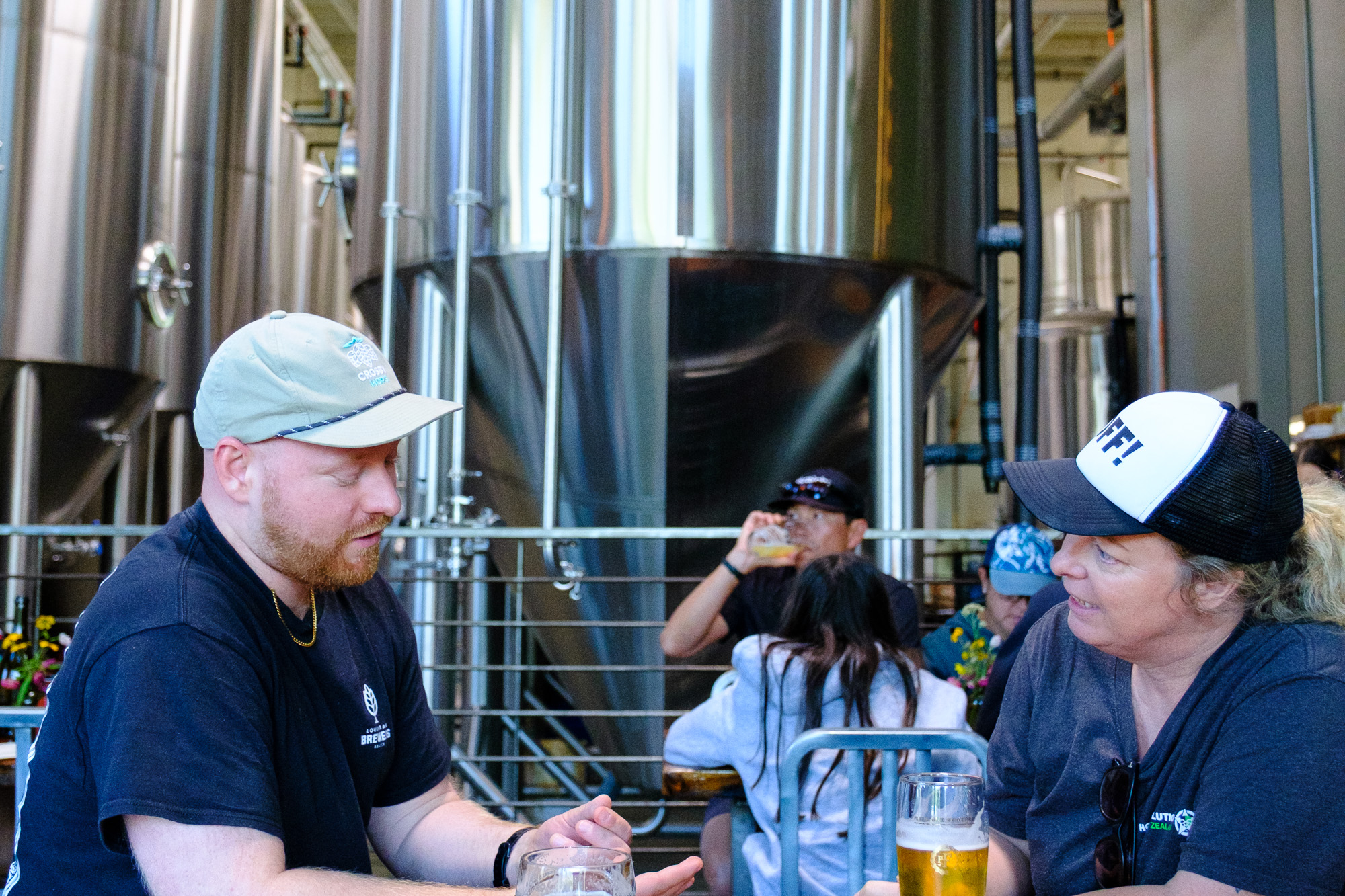 Dan Rybinski (Loughran Brewers Select Midlands UK Sales Manager) & Susan Wheeler catch up over beers at pFreim Brewery & Taproom in Hood River, Oregon, during the Pacific North West US Hop Harvest.
Brewing Trends & New Zealand Hops
At Hop Revolution, we spend a fair bit of time travelling to the Northern Hemisphere to visit the breweries we supply across the USA, UK, Ireland, and Europe. For a beer lover like me, that’s always a joy – and you’ll spot a few photos throughout this post from the road.
These visits give us the chance to taste new styles and stay close to evolving brewing trends – from breweries we work with in Oregon, USA like pFriem Family Brewers and Gigantic Brewing Company, to those you’re more familiar with in the UK and Ireland. One of the clearest shifts we’re seeing throughout beer is the continued growth of lager programmes, alongside hybrid styles like West Coast Pilsners – and these styles pair particularly well with New Zealand hops. Back home, NZ brewers have been producing hoppy lagers as ‘New Zealand Pilsners’ for many years, and it’s great to see the style now formally recognised by the BJCP.
From a technical perspective, varieties like Riwaka™, Motueka™, and Nelson Sauvin™ are especially well suited to these beers. Their high oil content and rich pools of bound thiols and terpenes mean that even modest hot-side additions can deliver impactful aroma and flavour, while maintaining efficiency in the brewhouse. As breweries continue to prioritise streamlining, and that ‘gramme-for-gramme’ performance I mentioned above, this efficiency becomes increasingly important.
We know our hop varieties deliver punchy flavour and aroma, and we’re seeing more brewers lean into the science to maximise that potential. In particular, the growing use of biotransformation – selecting yeast strains capable of unlocking bound thiols and terpenes during fermentation – is allowing brewers to extract even more expressive character from our thiol-rich Hop Revolution™ New Zealand hop varieties packed with these key flavour-driving compounds.
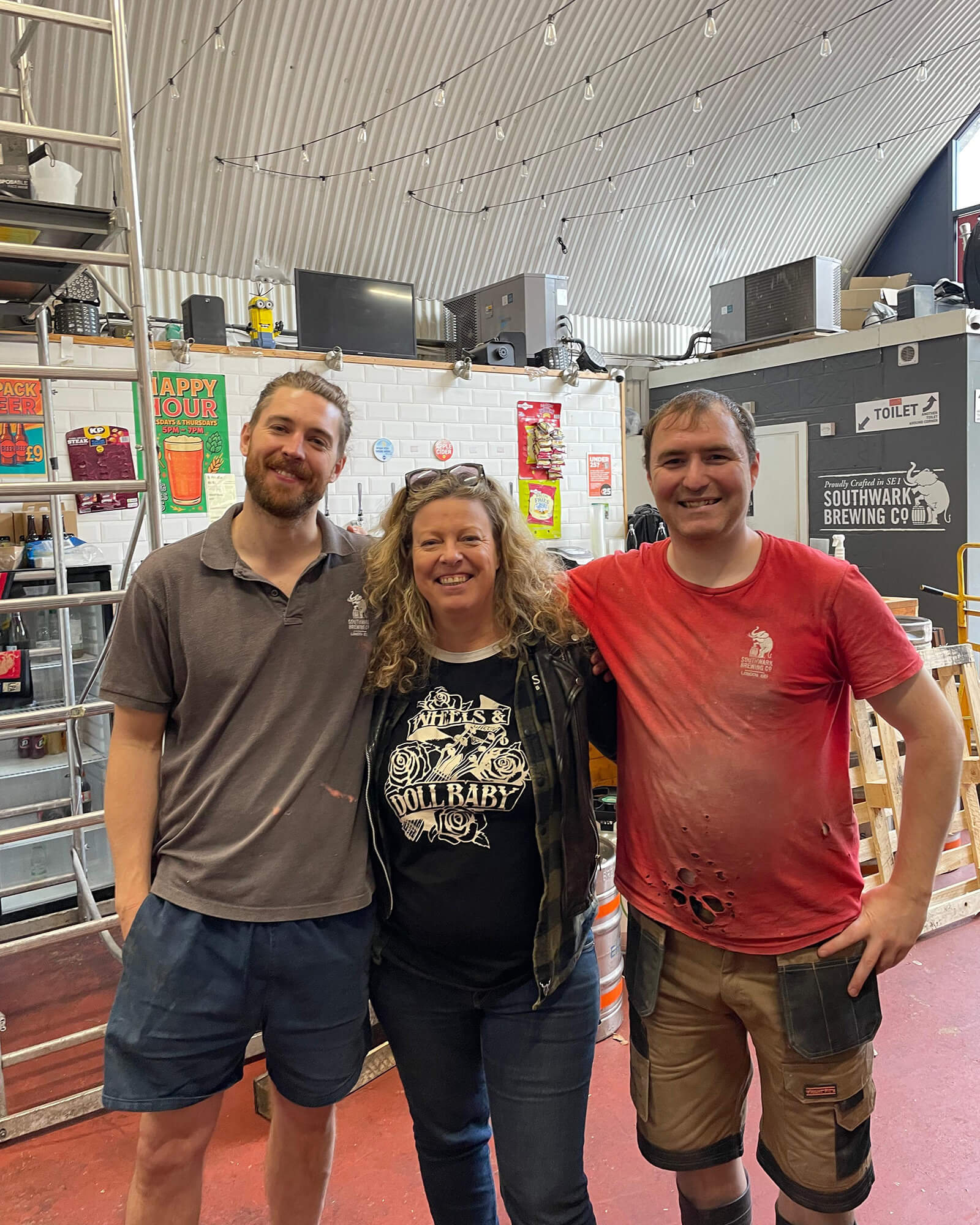
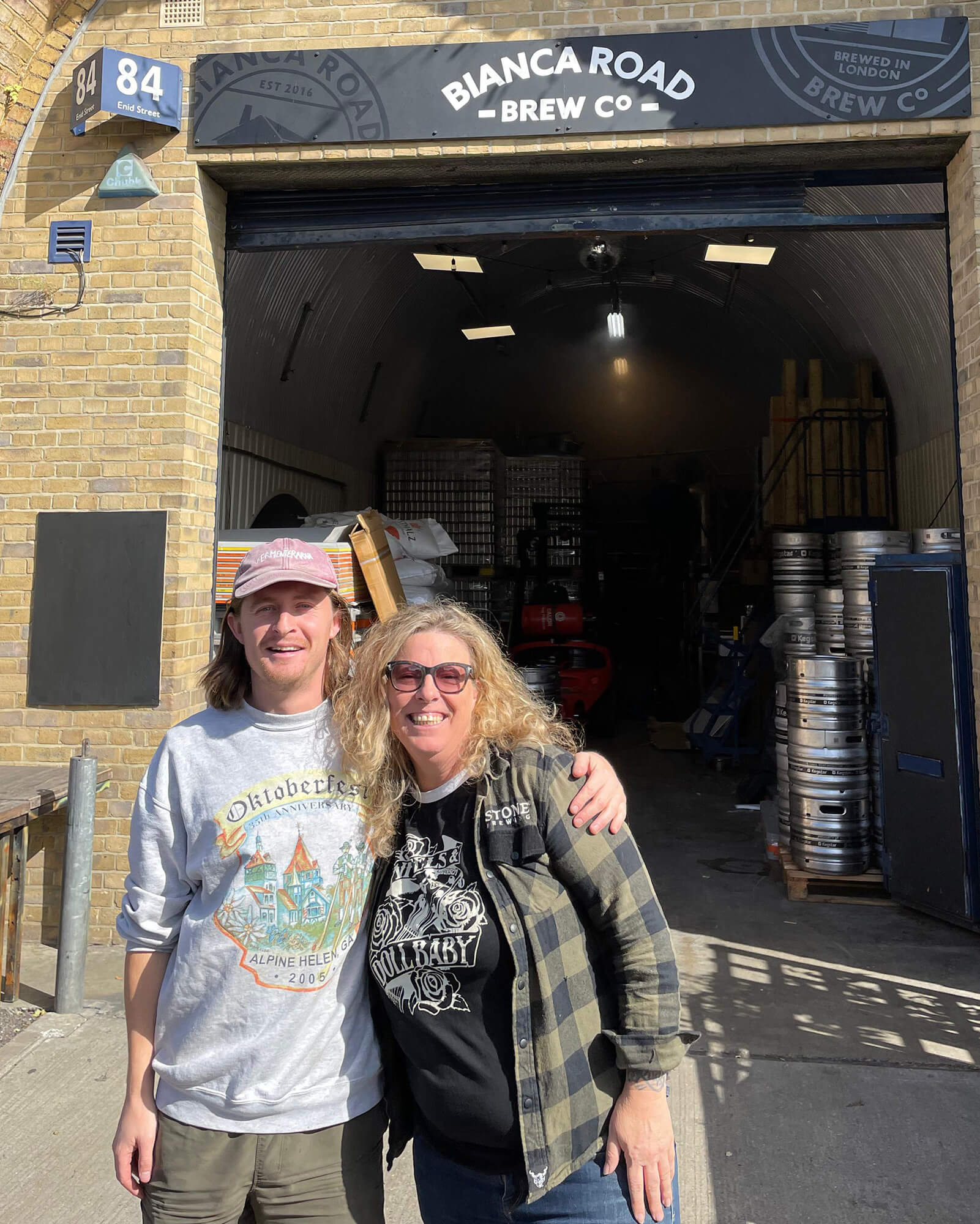

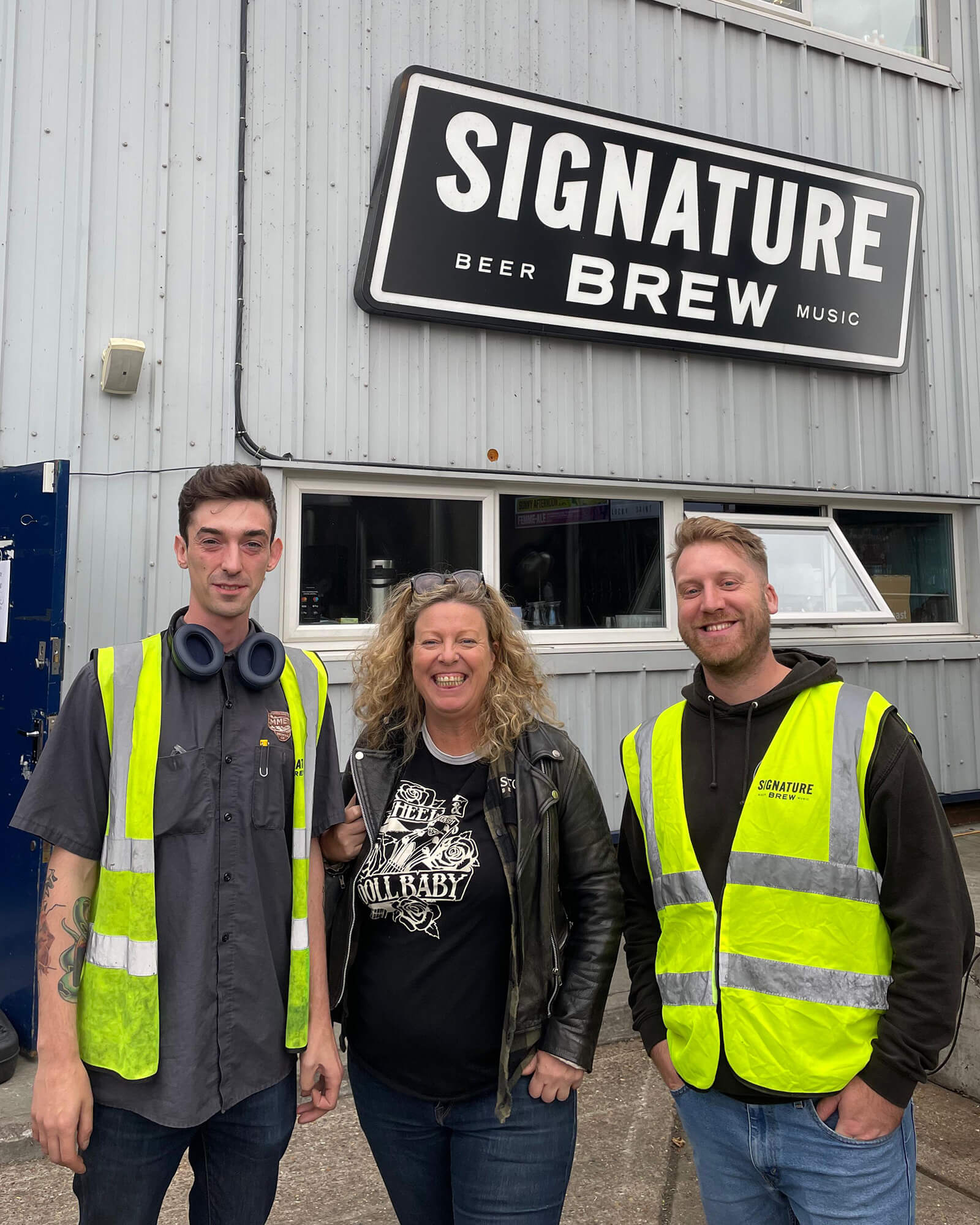
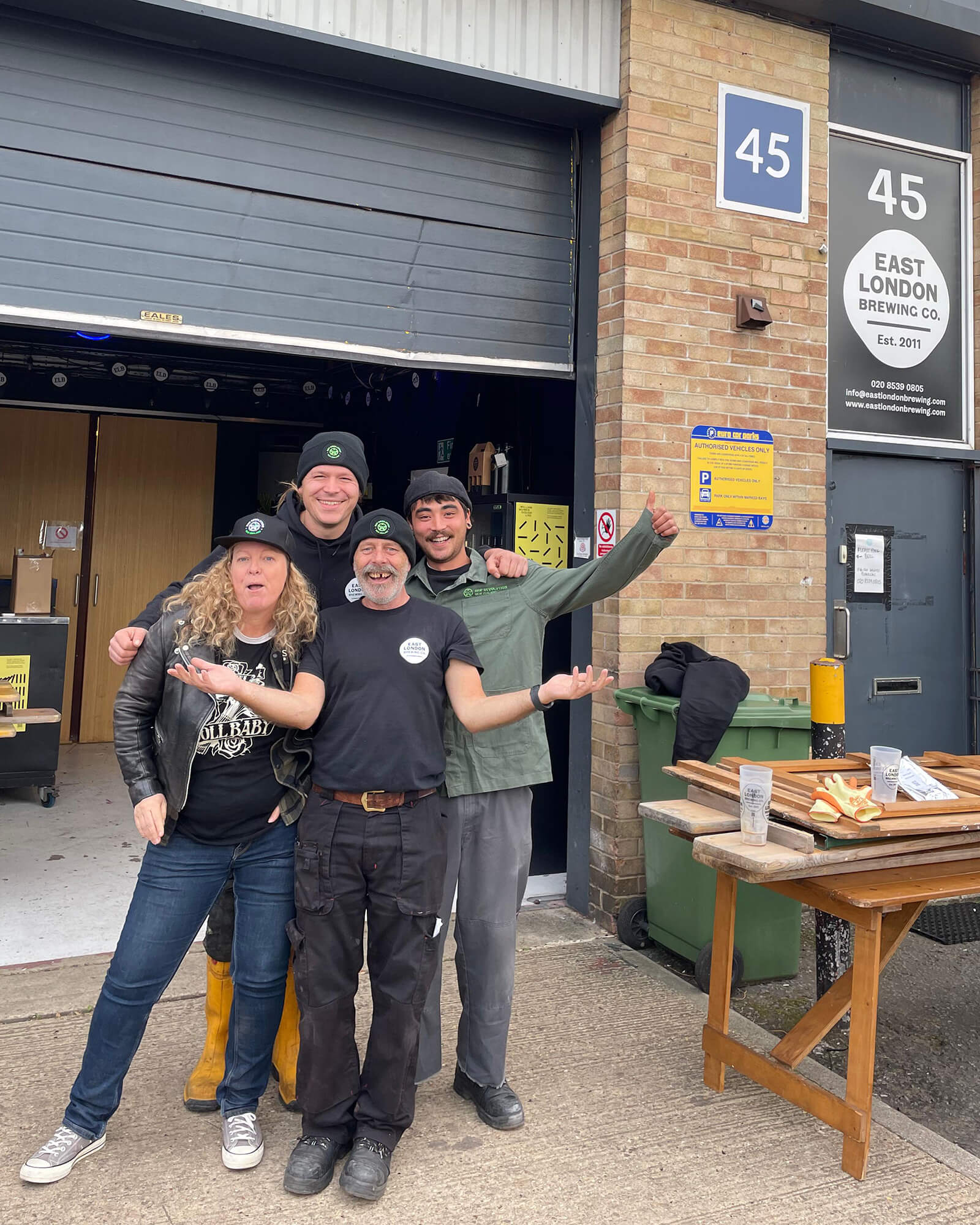
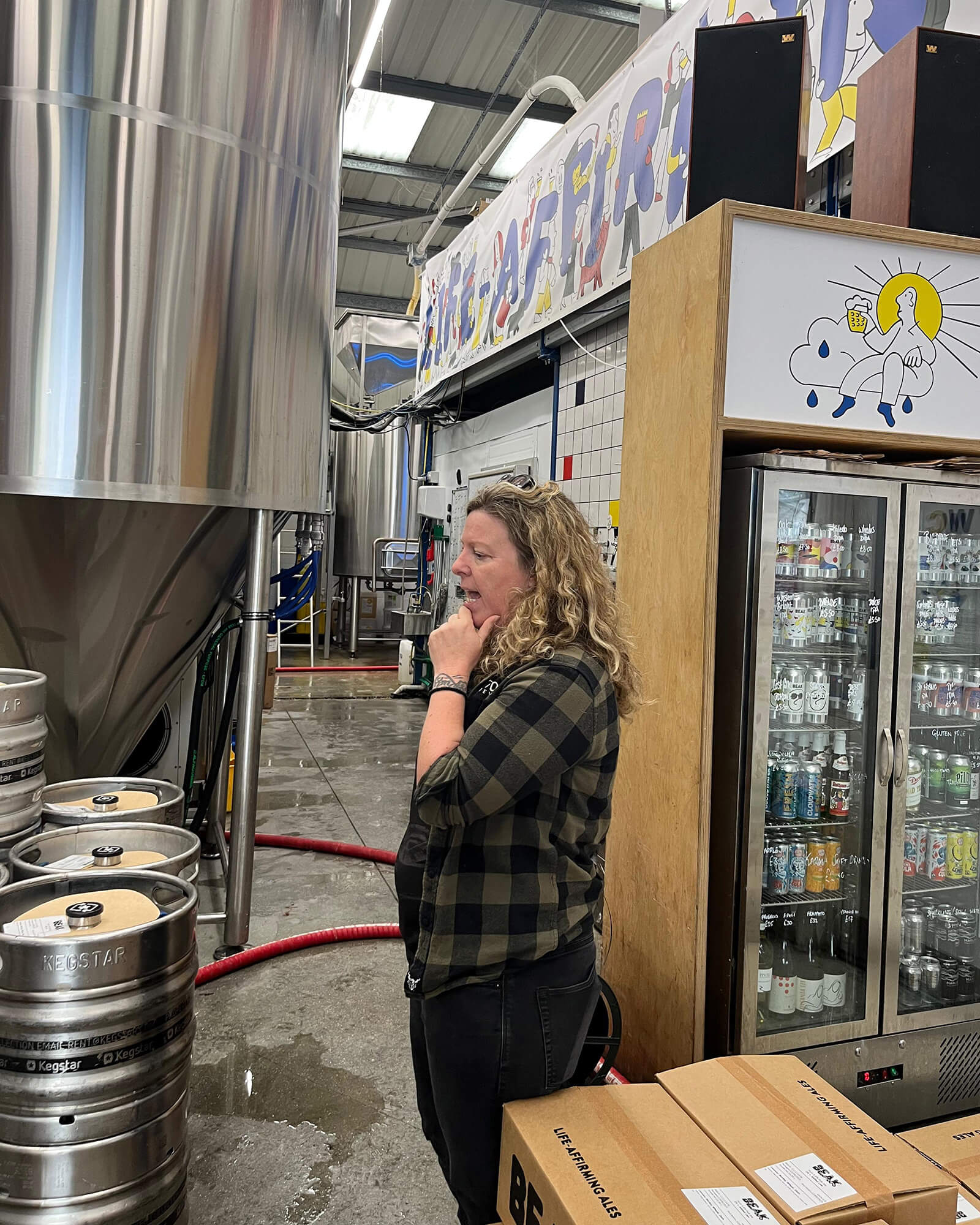

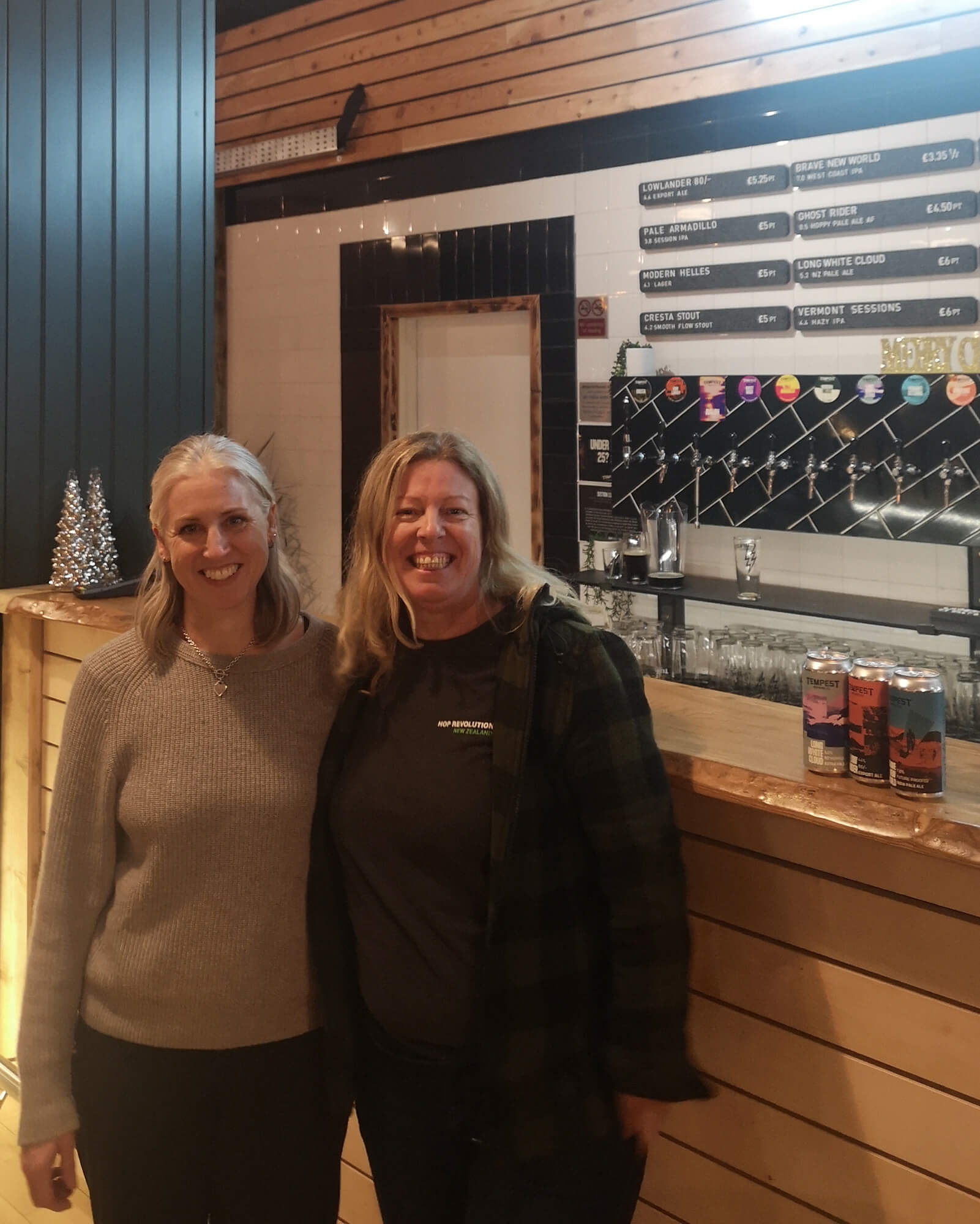
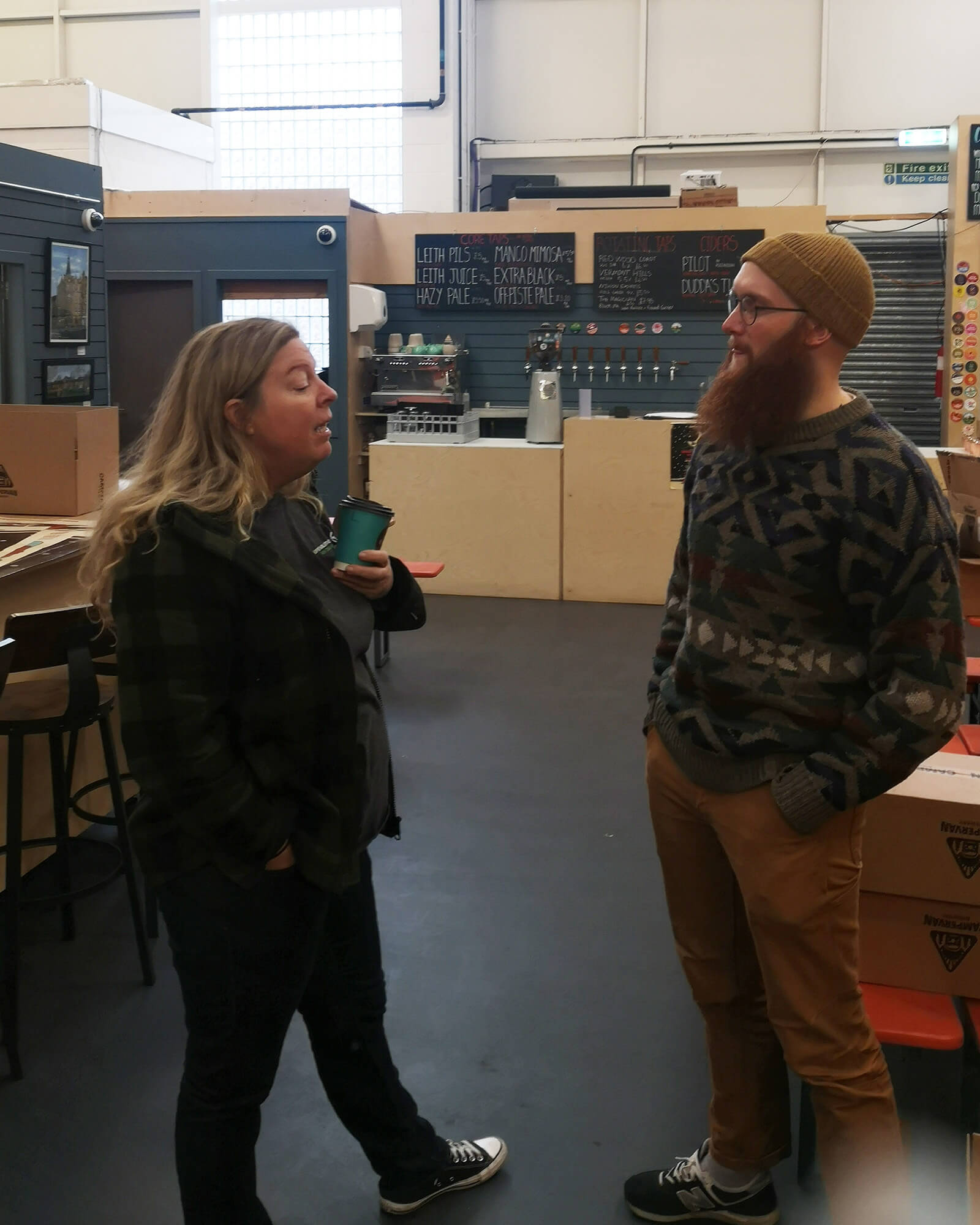
Photos from Susan’s tours of the UK (L-R): Meeting the team from Southwark Brewing, With Jordan Fancey (co-owner of Bianca Road), Catching up with Exale Head Brewer Joshua Walker, over at Signature Brew with Toby & Tom, Hanging out with the gang from East London Brewing Co., at the Beak Brewery Taproom, Beers with Jethro Duarte-Holman (Southern UK Sales Manager, Loughran Brewers Select) & Sean Knight – head brewer at Siren Craft Brew Co., at the Tempest Brewing Co. Taproom in Galashiels with Annika Meiklejohn (Co-owner of Tempest), & chatting to Patrick Smith, Production Manager at Campervan Brewery in Edinburgh.
Hop Contracting for New Zealand Hops
With current trends of reduced hop acreage globally, we’re seeing brewer behaviour change too. For those brewers who need to guarantee access to a certain hop variety and lock in stable pricing (especially in a core beer), we are seeing a return to contracting over multiple years to help ‘lock in’ forecast demand for hops. This is essential for us as farmers, as it gives us the security we need to move forward knowing that we’re growing the right hops. We’re hoping that brewers feel the same, and together we can grow the volumes of top quality New Zealand hops that you as brewers want to include in your beers!
If you want to secure access to our lovely New Zealand hops (and lock in stable pricing too!) – the easiest way is through a hop contract. The fab lot at Loughran Brewers Select are always raring to chat hops, and can put together great packages for you to get the best deals across a range of ingredients – not just hops. Get in touch with them today – and we hope to see you over in NZ one year for the hop harvest!